


Ukrainian Foreign Minister Andrii Sybiha has stressed that restoring Ukraine's sovereignty over Crimea is essential for the long-term security of the Black Sea region and Europe as a whole. He also called on international partners to jointly counter Russian threats and safeguard freedom of navigation.
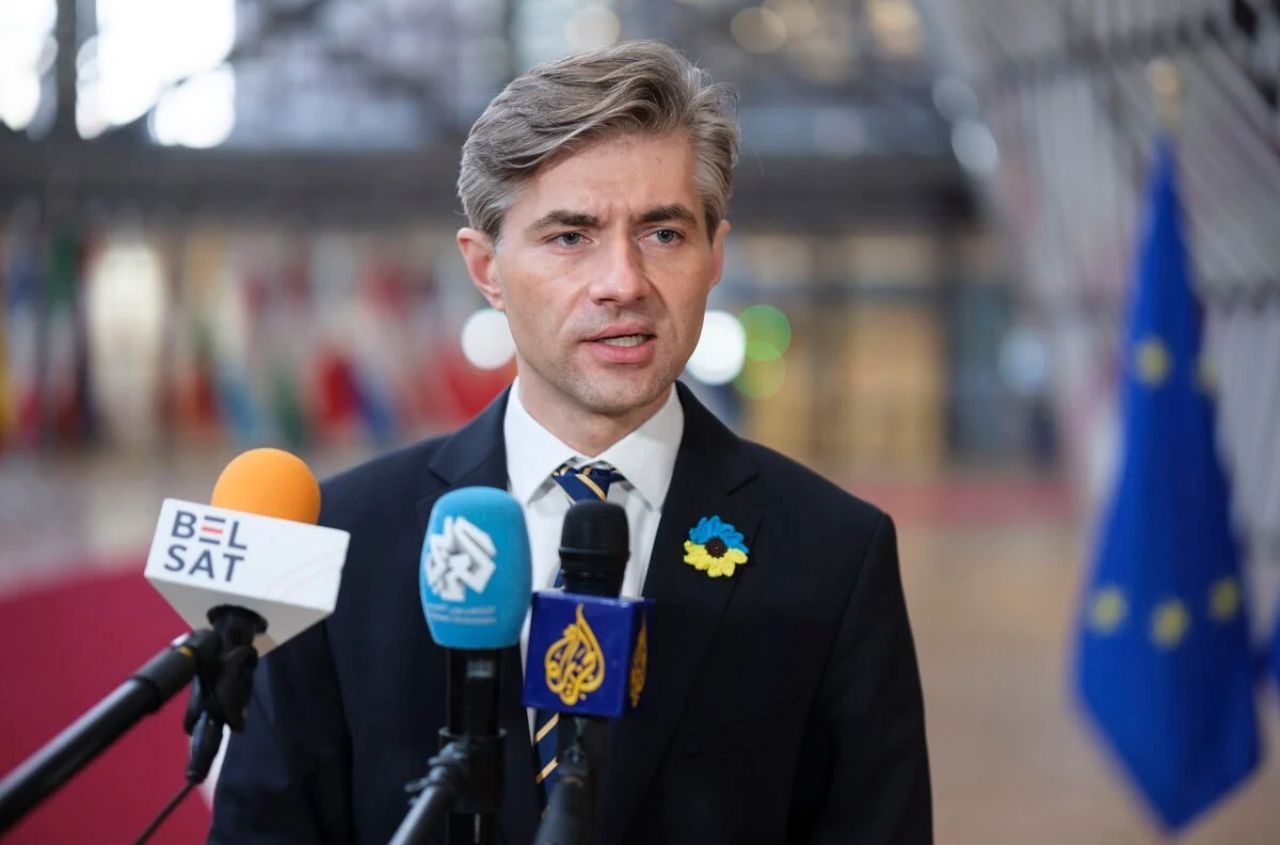
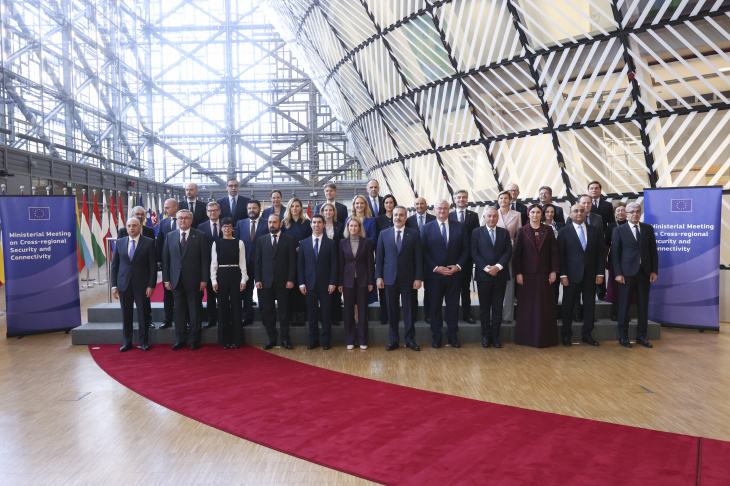
On 16 November in Brussels, Sybiha participated in the second session of the Ministerial Meeting on the Implementation of the EU Black Sea Strategy, dedicated to the interregional security agenda.
During his address, the foreign minister welcomed the European Union's adoption of its own Black Sea Strategy last year, emphasising the need to translate shared commitments to regional security into concrete capabilities to protect people, trade and infrastructure.
"Russia has had its own strategy for the Black Sea for decades. For Russia, it meant transporting oil, weaponising energy and militarisation. Finally, the EU has adopted its own strategy and is implementing it. This is exactly the proactive, strategic approach that Ukraine has always advocated," Sybiha said.
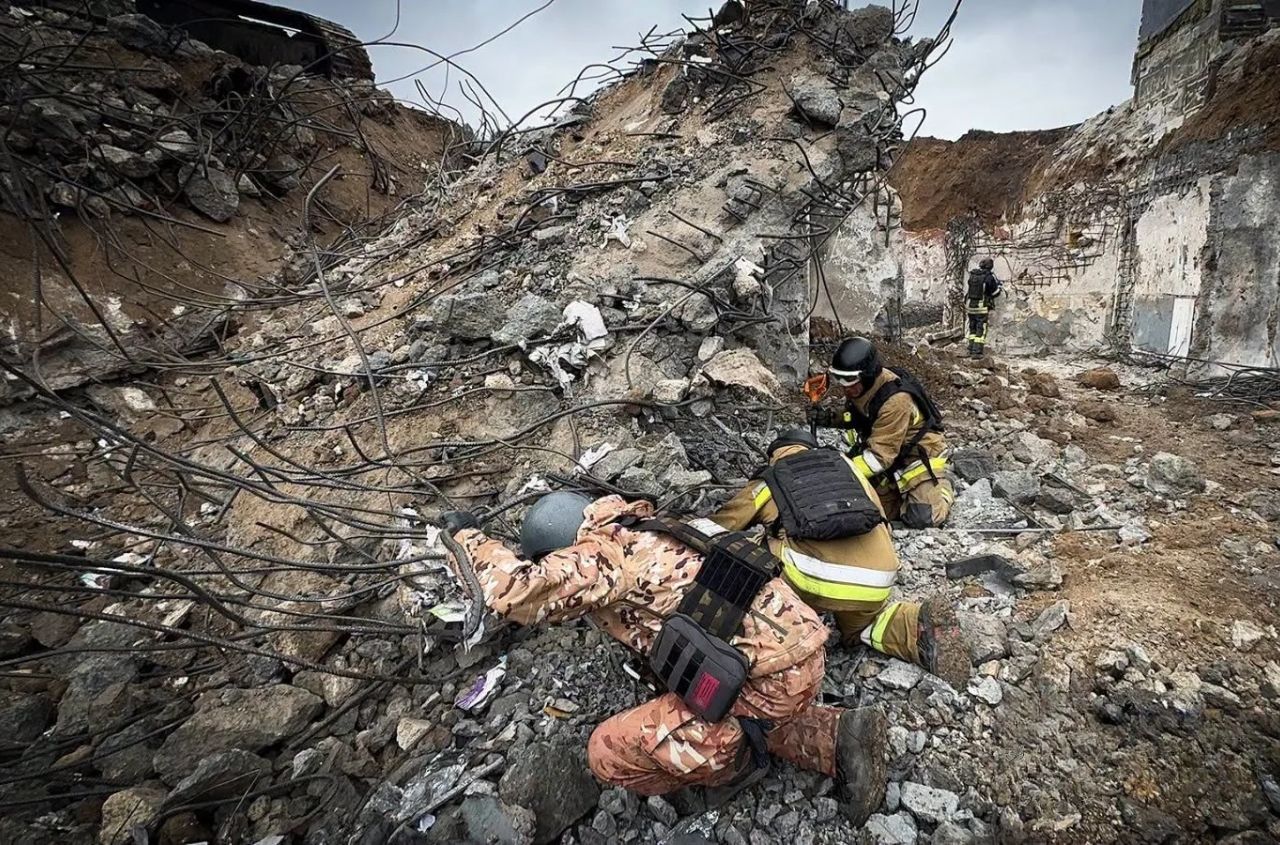
The minister stressed that Russia's aggression against Ukraine began with the occupation of Crimea, which Moscow subsequently transformed into a military foothold for attacks on Ukrainian cities, ports and vessels.
"The Black Sea will only become fully secure when Crimea returns to Ukrainian control. As long as Russia uses the peninsula as a military base, there will be no stability," Sybiha emphasised.
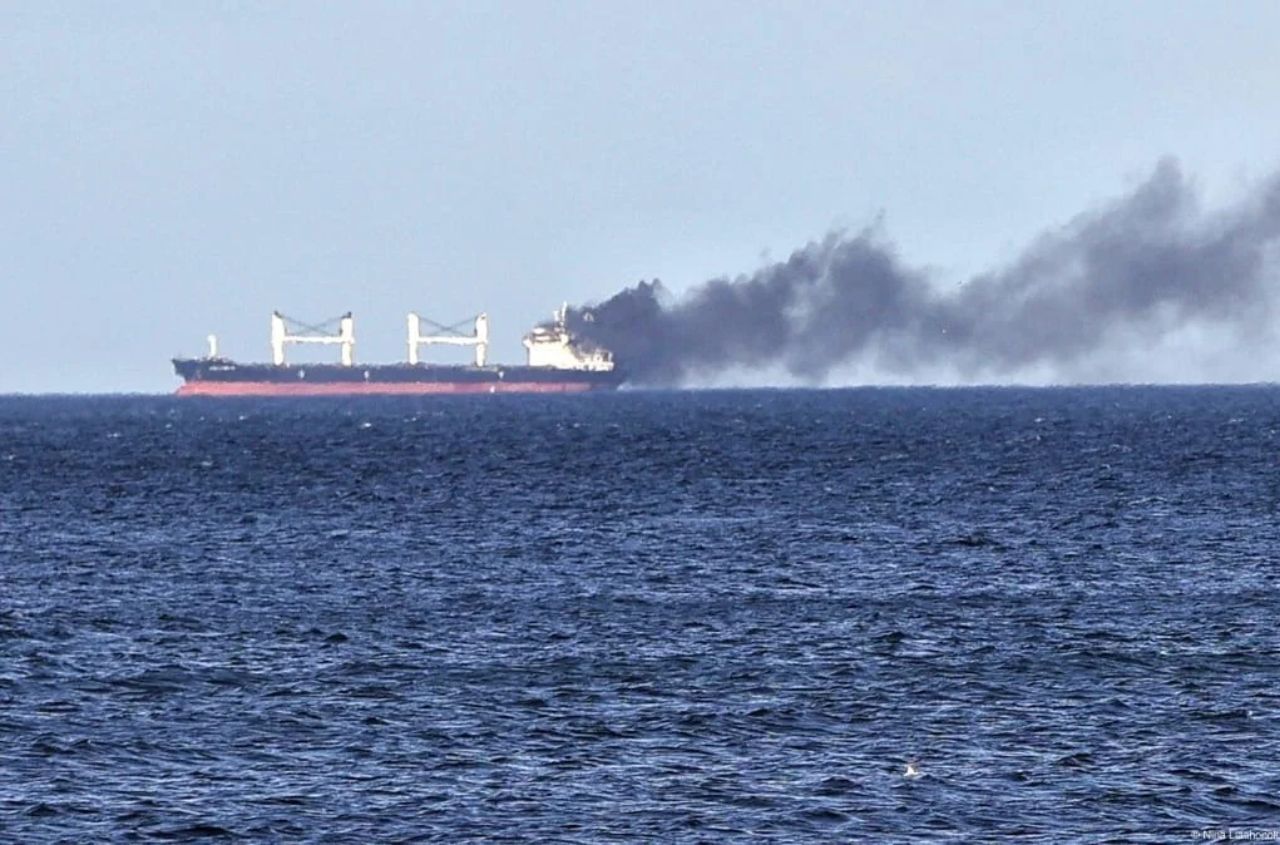
He drew attention to the sharp increase in Russian attacks against civilian shipping, from 25 incidents last year to 89 in just three months during the summer of 2026.
Sybiha welcomed the establishment of the Black Sea Maritime Security Hub by Bulgaria and Romania and called for its rapid launch and adequate funding.
"We are ready to share our experience to improve situational awareness and response capabilities," the foreign minister stated.
Sybiha devoted particular attention to freedom of navigation and global food security. He revealed that Ukraine, together with Turkey, Egypt and India, had proposed arrangements for a partial ceasefire in the Black Sea to facilitate the transportation of food products. The minister recalled that before Russia's full-scale invasion, Ukraine's agricultural exports helped provide food for approximately 400 million people worldwide.
This season, Ukraine's export potential exceeds 64 million tonnes. However, more than 30 million tonnes could be at risk if the blockade of Ukraine's maritime corridor continues.
According to Sybiha, such disruption could push global food prices up by as much as 25%, with particularly serious consequences for countries of the so-called Global South. The foreign minister also highlighted Turkey's crucial role in maintaining security across the Black Sea region.
Sybiha warned of a dangerous escalation in Russian attacks within the territorial waters of NATO member states, arguing that Moscow is using these actions to test the Alliance.
He urged international partners to strengthen their collective response to Russian threats and support Ukraine's approach to regional maritime security.
"Our formula is clear: free and secure navigation in the Black Sea is an inseparable part of a comprehensive, just and lasting peace," Sybiha concluded.