


A large-scale campaign to inspect, repair, and modernize civil defense facilities across Belarus suggests that Minsk now considers the possibility of its territory becoming involved in the war significantly higher than before, according to the Robert Lansing Institute (RLI).
The institute said the renewed focus on protective infrastructure reflects Belarusian leadership's strategic planning to prepare both state institutions and the population for the risks of potential military escalation and a prolonged regional conflict.
Launched in early 2026, the nationwide campaign differs markedly from the routine Soviet-era inspections due to its scale, strict administrative oversight, and public visibility.
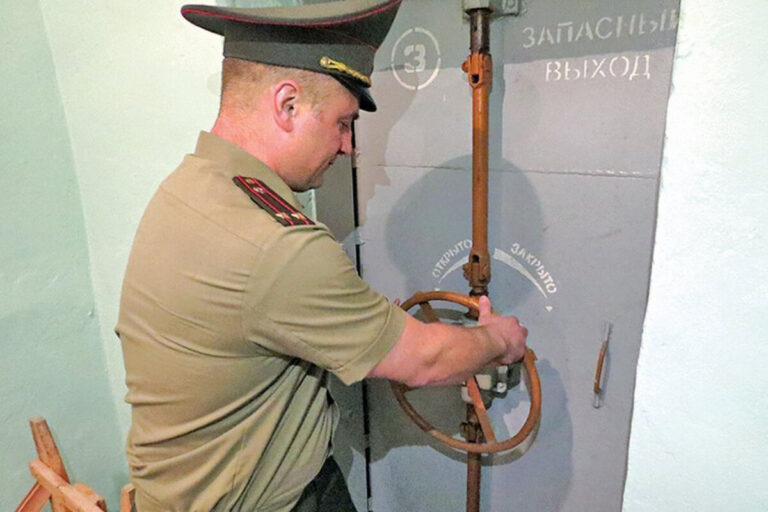
The extensive inventory uncovered significant shortcomings in Belarus's civil defense system. In the Mogilev region, for example, only 204 of 276 registered shelters were found to be fully operational, while 38 required restoration and 34 were deemed beyond repair and scheduled for decommissioning. Over the past year, authorities restored 43 facilities, issued 66 orders to address safety violations, and imposed administrative penalties on 11 officials.
Similar modernization efforts are underway across the country. In Minsk, shelters serving government institutions, the National Bank, and government communications facilities are being upgraded. In Brest, authorities are restoring a shelter for employees of water treatment facilities, while in Mogilev and Babruysk, shelters at key industrial enterprises are undergoing renovation.
According to RLI's military intelligence and security analysis, these measures reflect Belarusian authorities' recognition that, if military integration with Russia deepens further or Belarusian infrastructure continues to support Russian military operations, the country's territory could become a legitimate target for retaliatory strikes.
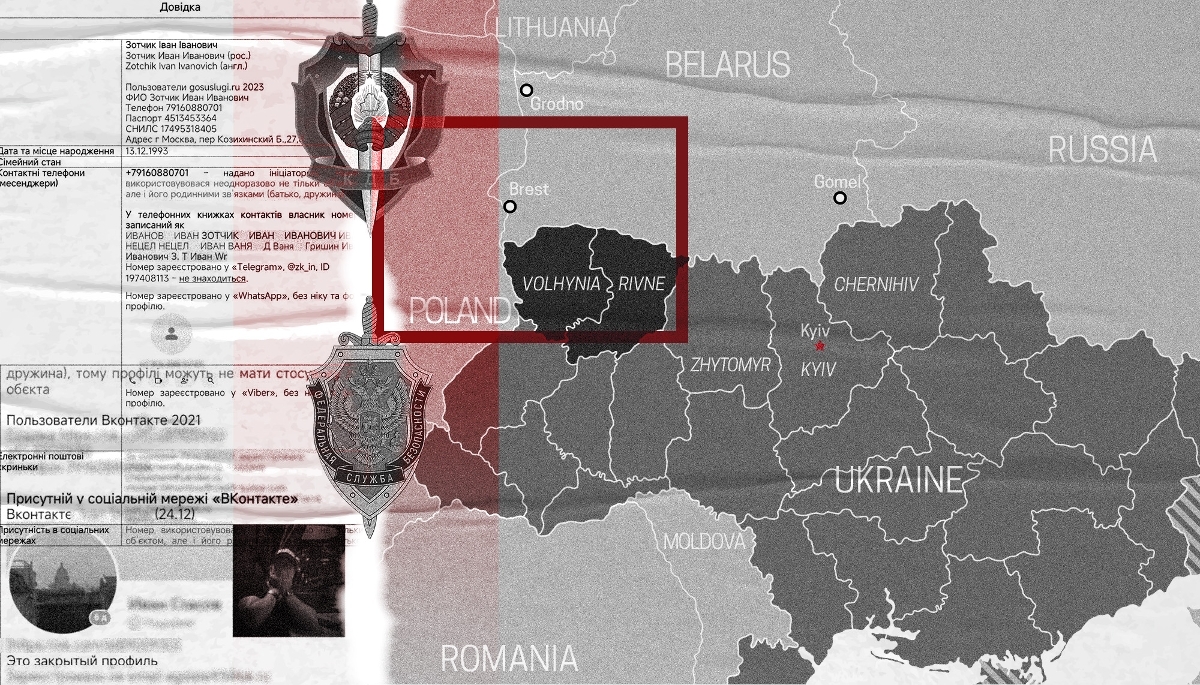
Since 2022, Belarus has provided logistical support, airfields, training grounds, and missile launch infrastructure for Russian military operations. Given Ukraine's growing long-range strike capabilities, Belarusian authorities are seeking to better protect critical infrastructure, logistics hubs, and command-and-control facilities.
The greatest attention is reportedly being paid to the Gomel region as the country's main southern military hub, the Brest and Grodno regions along the NATO border, Minsk to ensure continuity of government, and the Mogilev region as a major transportation and industrial center.
At the same time, RLI analysts emphasize that the modernization of bomb shelters should not be viewed as direct evidence that Belarus is preparing to commit its regular armed forces to combat operations in Ukraine.
Observations throughout 2026 indicate that Belarus's military presence along its southern border has remained stable, with no signs of offensive force build-ups, large-scale mobilization, or the deployment of field hospitals.
The report concludes that the program primarily serves multiple purposes: strengthening the country's resilience against potential missile and drone attacks, improving emergency preparedness, and enabling the government of Alexander Lukashenko to tighten domestic control, reinforce its narrative of external threats from NATO and Ukraine, and project the image of the state as a guarantor of national security.