


The Council of the European Union adopted additional restrictive measures against 12 individuals and 101 entities on Monday, 16 November, targeting key sectors of the Russian economy and networks supporting Russia's shadow fleet.
The decision was announced on the Council of the EU's official website.
"In response to Russia’s indiscriminate attacks against Ukraine, particularly against civilian infrastructure, the Council today imposed additional restrictive measures on 12 individuals and 101 entities for their role in those economic sectors which provide a substantial source of revenue to Russia’s war of aggression and support its shadow fleet," the Council stated.
In the financial sector, nearly 50 Russian banks and financial institutions were added to the sanctions list. The measures aim to cut off financial channels used to process state revenues and finance Russia's war effort.
In the e-commerce sector, the sanctions target the sole shareholder of Russian online retailer Wildberries and an individual controlling a majority stake in another major marketplace, Ozon.
Additional restrictions were introduced against companies and businesspeople involved in Russia's oil and gas industry, including those connected to the management of Russian oil refineries, an oil terminal in St Petersburg, and oil and gas exploration and production.
As part of efforts to disrupt Russia's shadow fleet, the EU also sanctioned companies based in the United Arab Emirates, China, Seychelles and Oman that purchase Russian-origin crude oil.
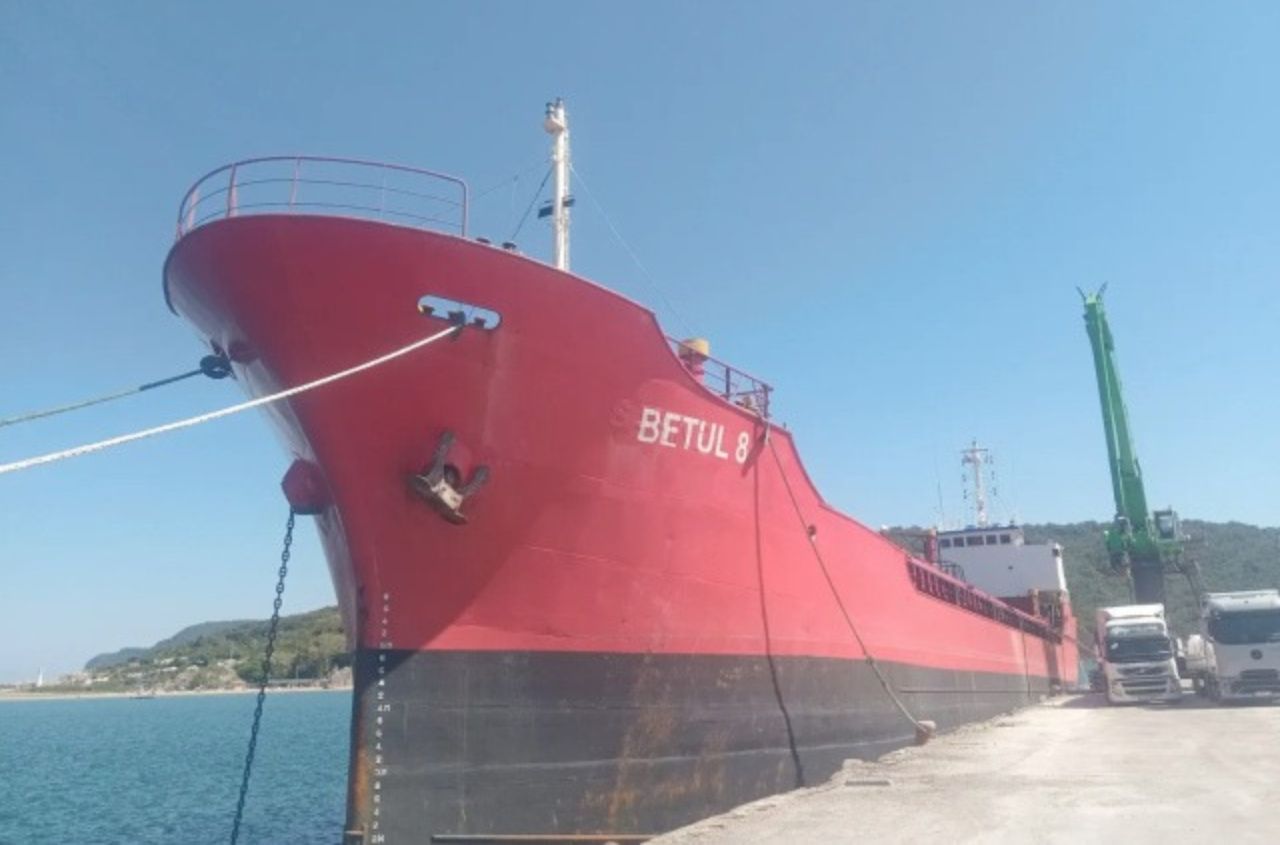
The measures additionally target businesspeople who own or operate sanctioned vessels, transport Russian oil in violation of restrictions, or engage in high-risk maritime shipping practices.
The restrictive measures were adopted under the EU sanctions framework addressing actions that undermine or threaten Ukraine's territorial integrity, sovereignty and independence.
Those listed are subject to asset freezes, while EU individuals and companies are prohibited from making funds or economic resources available to them, either directly or indirectly.
Listed individuals are also subject to travel bans preventing them from entering or transiting through EU territory.
The relevant legal acts — Council Decision (CFSP) 2026/2575 and Council Implementing Regulation (EU) 2026/2574, both dated 16 November 2026 — have been published in the Official Journal of the European Union.