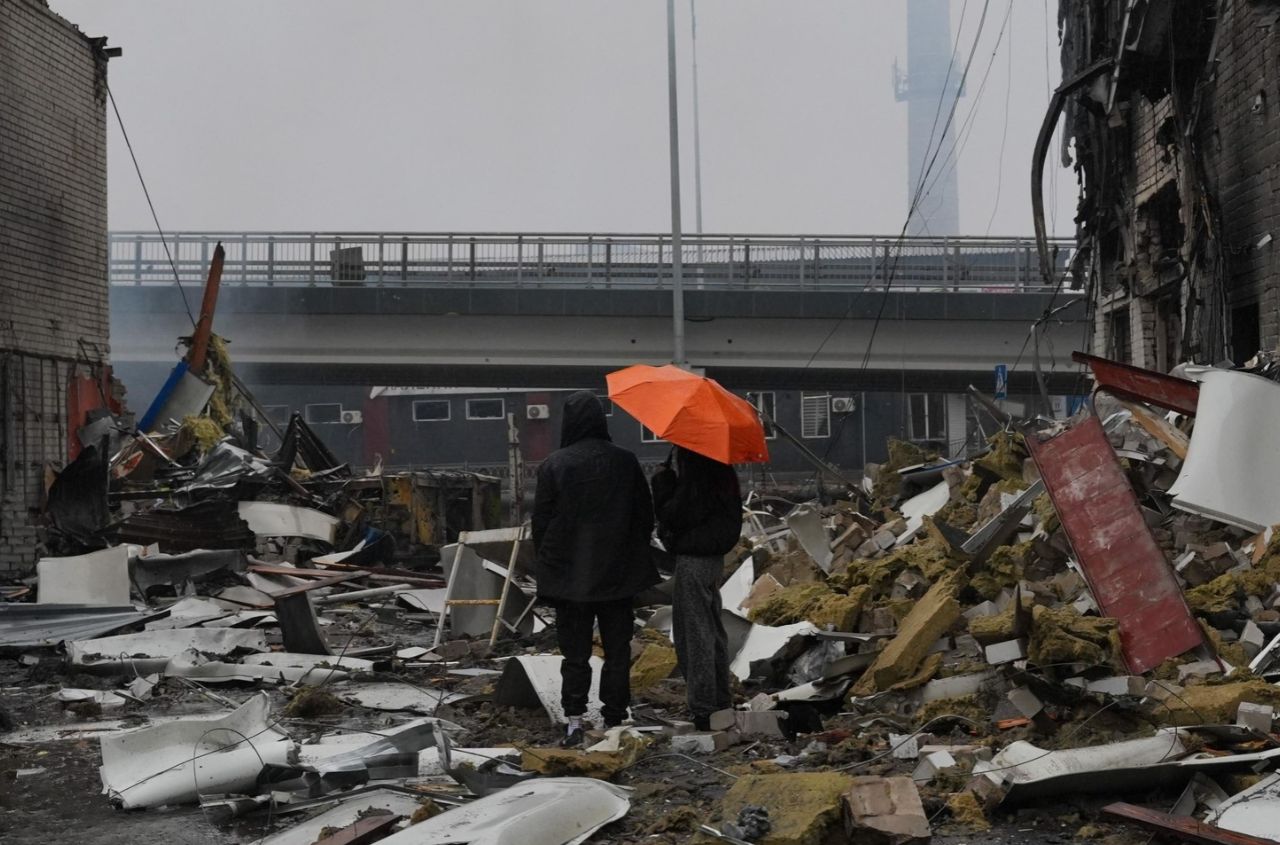



Russian attacks continue to damage Ukraine's cultural heritage. In Kyiv, St Volodymyr's Cathedral, an architectural monument of national significance, and the National Museum of the History of Ukraine in the Second World War have been damaged. In Odessa, Russian shelling damaged 12 cultural heritage sites in the city's historic centre, which is inscribed on UNESCO's List of World Heritage in Danger.
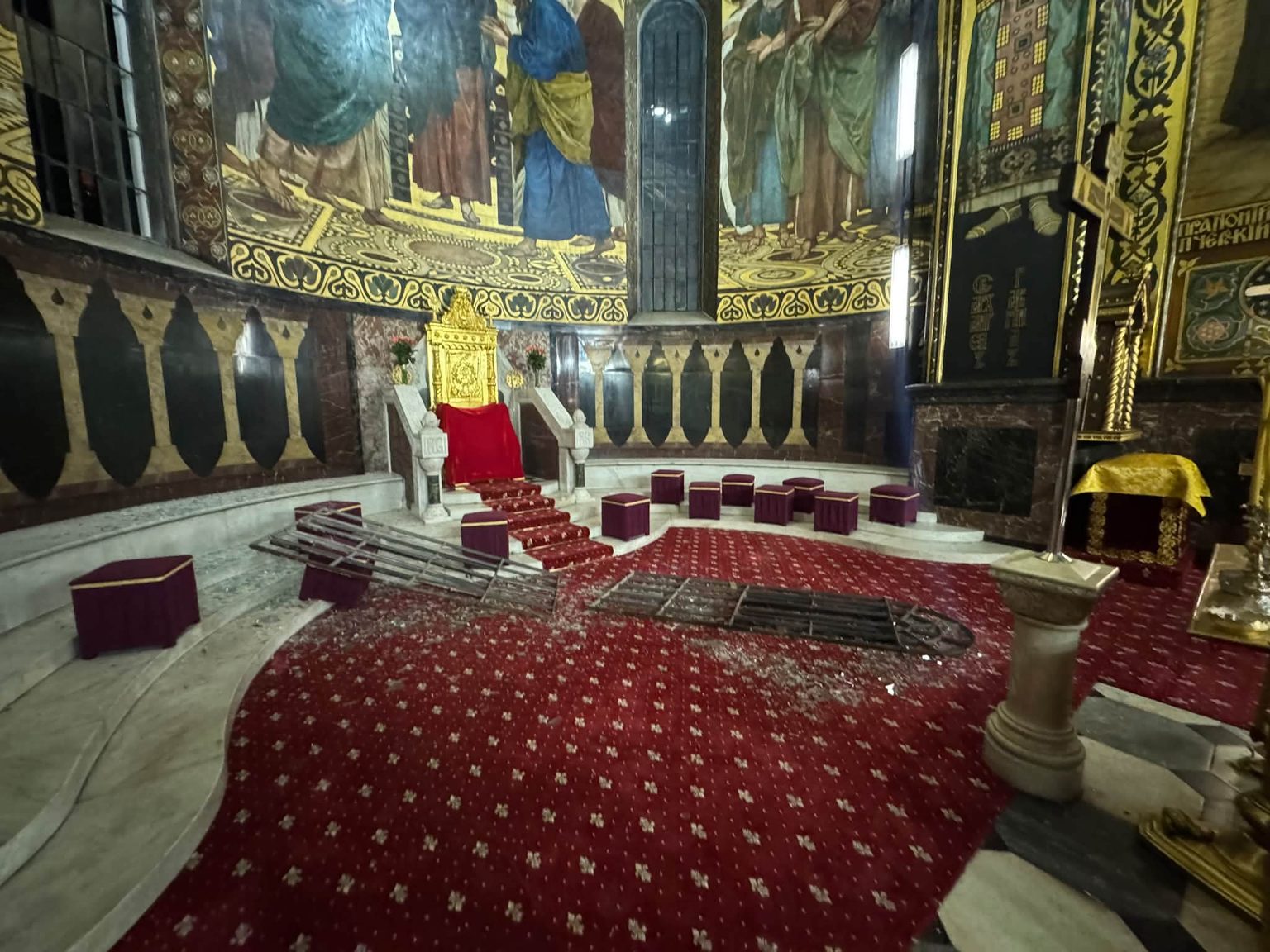
In Kyiv, Russian drones damaged St Volodymyr's Cathedral, one of the capital's most prominent architectural and religious landmarks. According to preliminary assessments, the attack shattered windows and their frames and damaged cornices. However, the cathedral's wall paintings and structural elements remained intact. The full extent of the damage is still being assessed.
St Volodymyr's Cathedral is an architectural monument of national significance and one of the cathedrals of the Orthodox Church of Ukraine. Its wall paintings are of particular artistic value, having been created by renowned artists including Mykhailo Vrubel, Mykola Pymonenko, Serhii Kostenko, Viktor Zamyrailo and others.
"Russian attacks continue to strike Ukraine's cultural heritage — architectural monuments, historic buildings, museums and iconic sites that shape our national identity. Every such act of destruction is an attempt to erase our historical memory and cultural legacy. We are documenting the damage to ensure that Russia is held accountable for crimes against Ukrainian culture," said Tetiana Berezhna, Ukraine's Deputy Prime Minister for Humanitarian Policy and Minister of Culture.
The National Museum of the History of Ukraine in the Second World War also sustained further damage. During the night of 20 November, a blast wave damaged the Hall of Glory and the entrance area of the museum's main building. This marks the third time the memorial complex has been damaged since the beginning of Russia's full-scale invasion.
Inspections across Kyiv also identified damage to several other cultural heritage sites and prominent landmarks, including St Michael's Golden-Domed Cathedral, the Monastery Cellar on the grounds of St Michael's Golden-Domed Monastery (now housing the Kyiv City Bureau of Technical Inventory), the main building of Mykhailo Drahomanov Ukrainian State University, the Nechaiev Estate (Vyshnevsky House) and the Yevhen Paton Bridge.
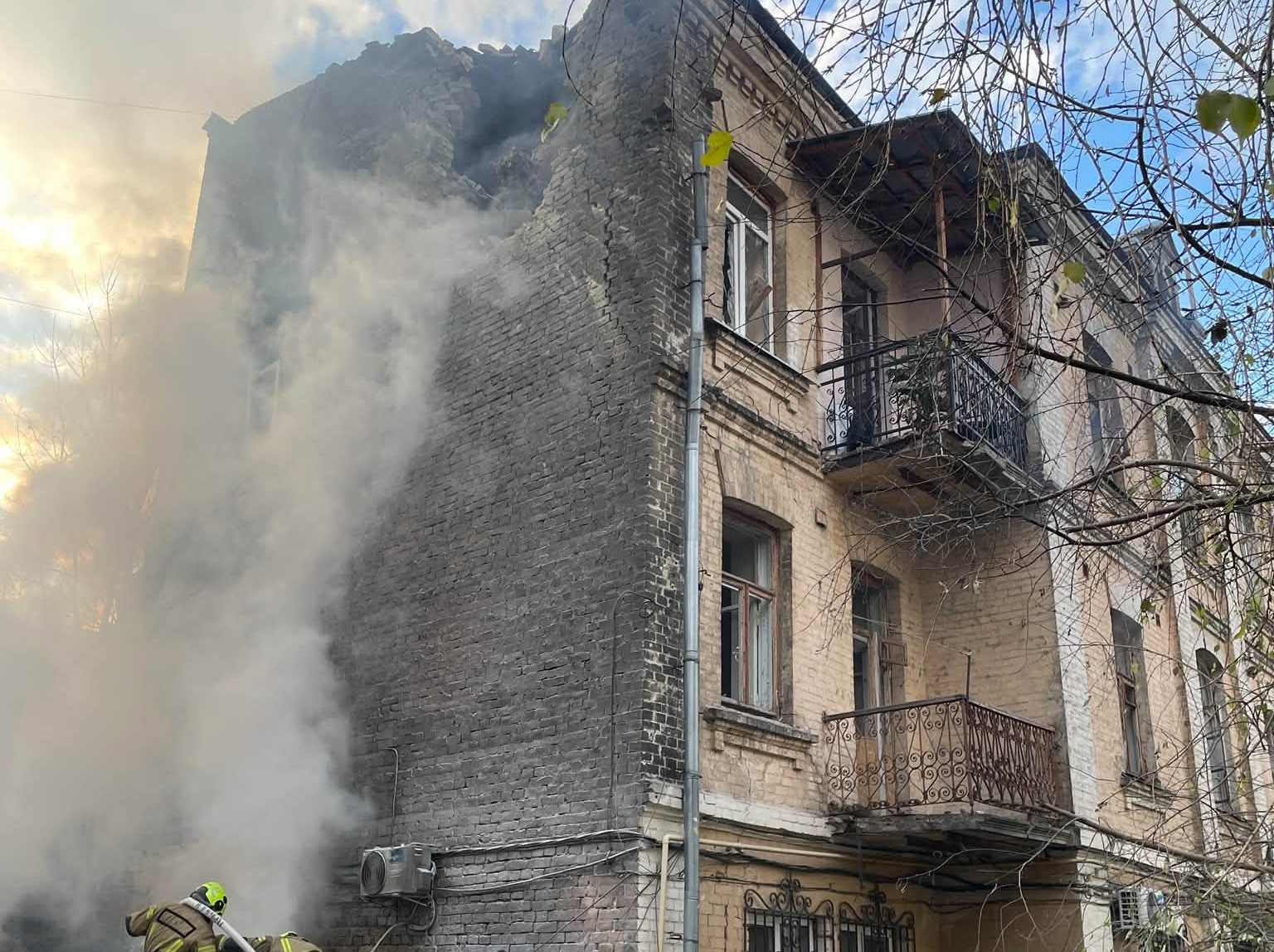
A historic building housing the Embassy of the Kingdom of the Netherlands in Ukraine was also damaged. Relevant authorities and specialists are currently inspecting the affected sites, documenting the damage and assessing its extent.
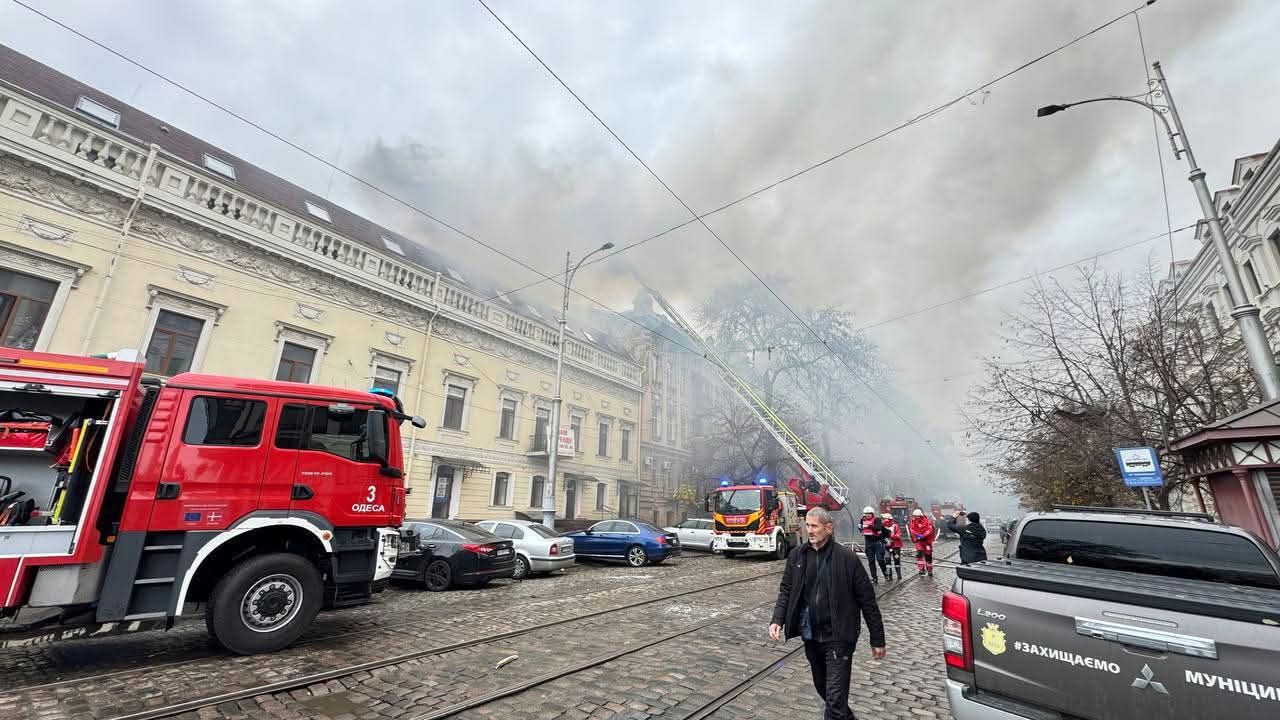
In Odessa, Russian shelling damaged 12 cultural heritage sites located within the city's historic centre, an area inscribed on UNESCO's List of World Heritage in Danger.
The affected sites include one architectural monument of national significance and several architectural, urban planning and historical monuments of local significance.
Among the damaged buildings is the Callio Palace, constructed between the second half of the 19th century and the beginning of the 20th century, which holds the status of an architectural monument of national significance.
Other damaged sites include:
- The Roman Catholic Cathedral of the Assumption of the Blessed Virgin Mary (1849–1853), and the house where Yu. D. Dubovyi lived — a radiologist, founder of Ukraine's first oncology dispensary, professor and Honoured Scientist of the Ukrainian SSR.
- The Automobile and Road Technical College building (1953).
- The Zonshein residential building (1900).
- A residential building dating from the early 20th century.
- The Leslie residential building (1880s).
- Two shop buildings (1910–1913).
- The Chernihov (Shestopal) apartment building (1912), where L. Y. Aleinikova, a cardiologist, professor and Honoured Scientist of the Ukrainian SSR, lived.
- The Zaluzhnyi apartment building, where M. V. Komarov, a Ukrainian literary scholar and bibliographer, lived. The Ukrainian poet Lesya Ukrainka was a guest of his family.
- The Kitover residential building, dating from the first half of the 19th century.
As of 20 November 2026, a total of 212 cultural heritage sites had been damaged in Odessa.
According to Ukraine's Ministry of Culture, as of the end of October 2026, Russian armed aggression had damaged 2,185 cultural heritage sites and 2,686 cultural institutions across Ukraine.
In response to the extensive destruction of cultural heritage sites and cultural infrastructure, Ukraine and its international partners established the Ukraine Cultural Heritage Fund (UCHF). The fund aims to mobilise international support for the preservation, protection and restoration of Ukraine's cultural heritage.