


By Max Gardus
One of the main tools that still helps contain a sharp rise in fuel prices is the so-called fuel dampener mechanism — a system of budget compensations paid to oil companies for supplying fuel to the domestic market instead of exporting it. In May 2026 alone, 204.3 billion rubles were allocated for these payments, and in April — 207.5 billion rubles.
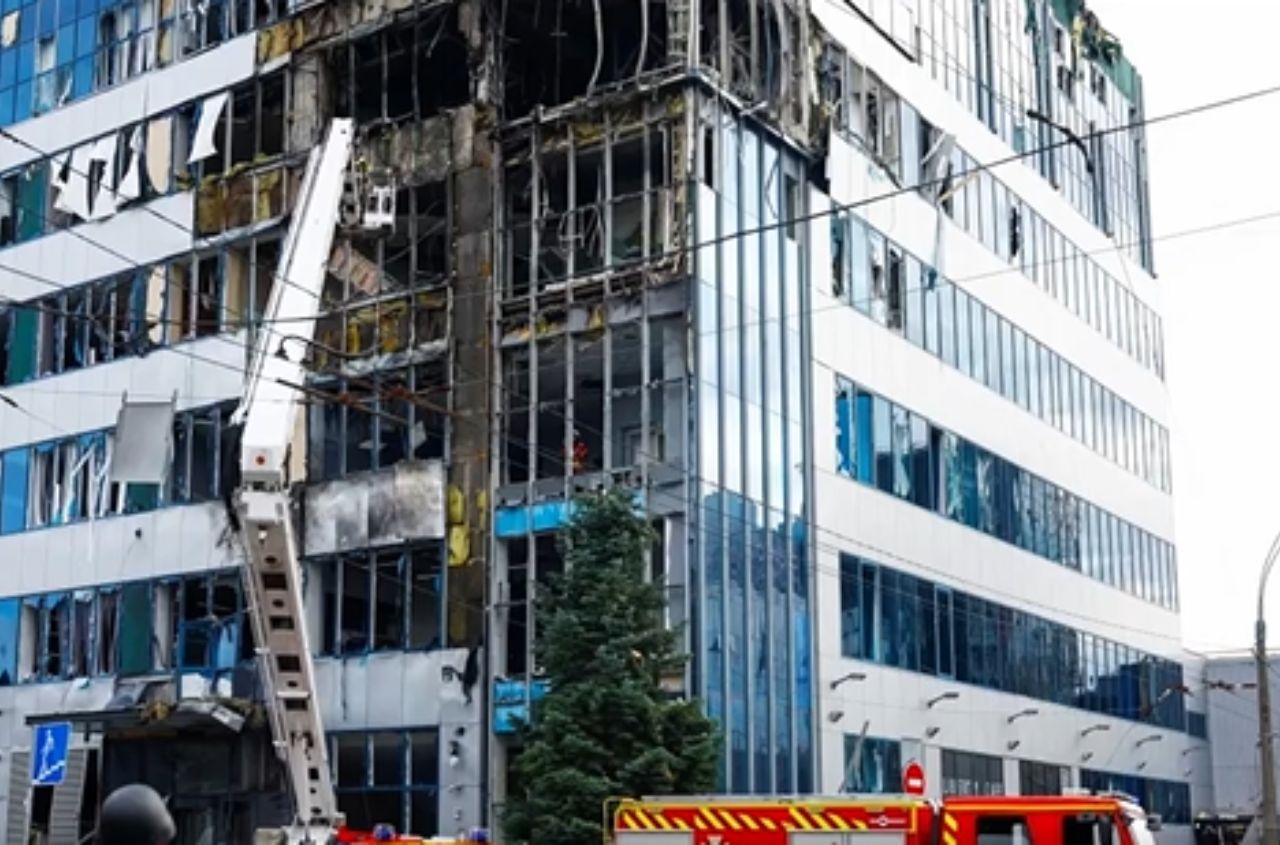
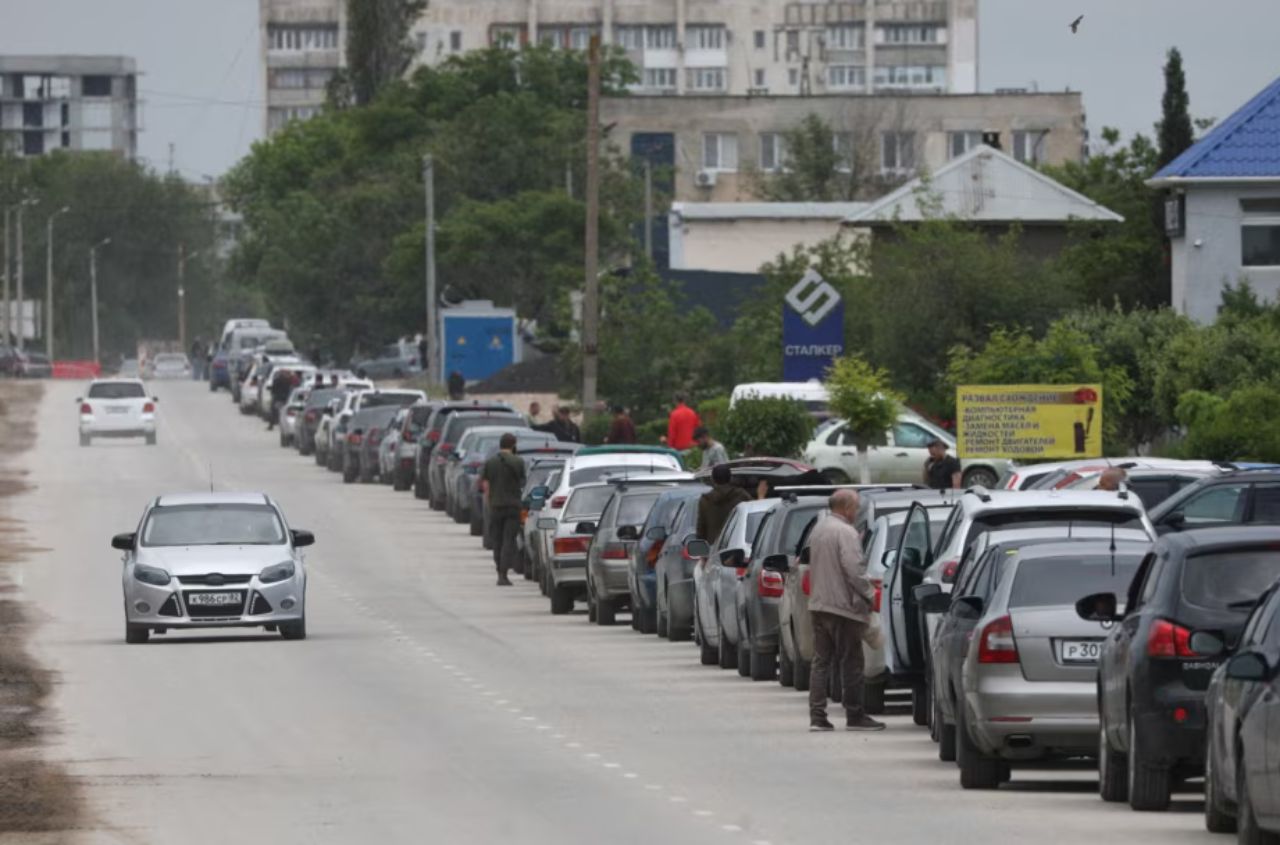
At the same time, pressure on Russia’s fuel sector is increasing due to systematic strikes on oil refining infrastructure. According to international agencies, the damaged facilities accounted for more than 30% of gasoline production and about 25% of diesel fuel production in Russia. Against this backdrop, reports of fuel shortages and sales restrictions are already coming from dozens of regions.
According to Russian sources, problems with fuel supply or various forms of restrictions have been recorded in 53 regions and in the occupied territories of Ukraine. In 18 regions, limits on fuel sales are in place, and another 11 report gasoline shortages at filling stations. This indicates that the problem goes far beyond isolated local disruptions.
If the Russian authorities are forced to reduce or cancel dampener payments due to budget constraints, the consequences could become significantly more severe.
For oil companies, this would mean choosing between raising prices and reducing domestic supply.
Given that about 70% of freight transport in Russia is carried out by road, the fuel crisis is gradually turning into a factor affecting not only gas stations, but also logistics, inflation, business costs, and the overall resilience of the economy in wartime conditions.