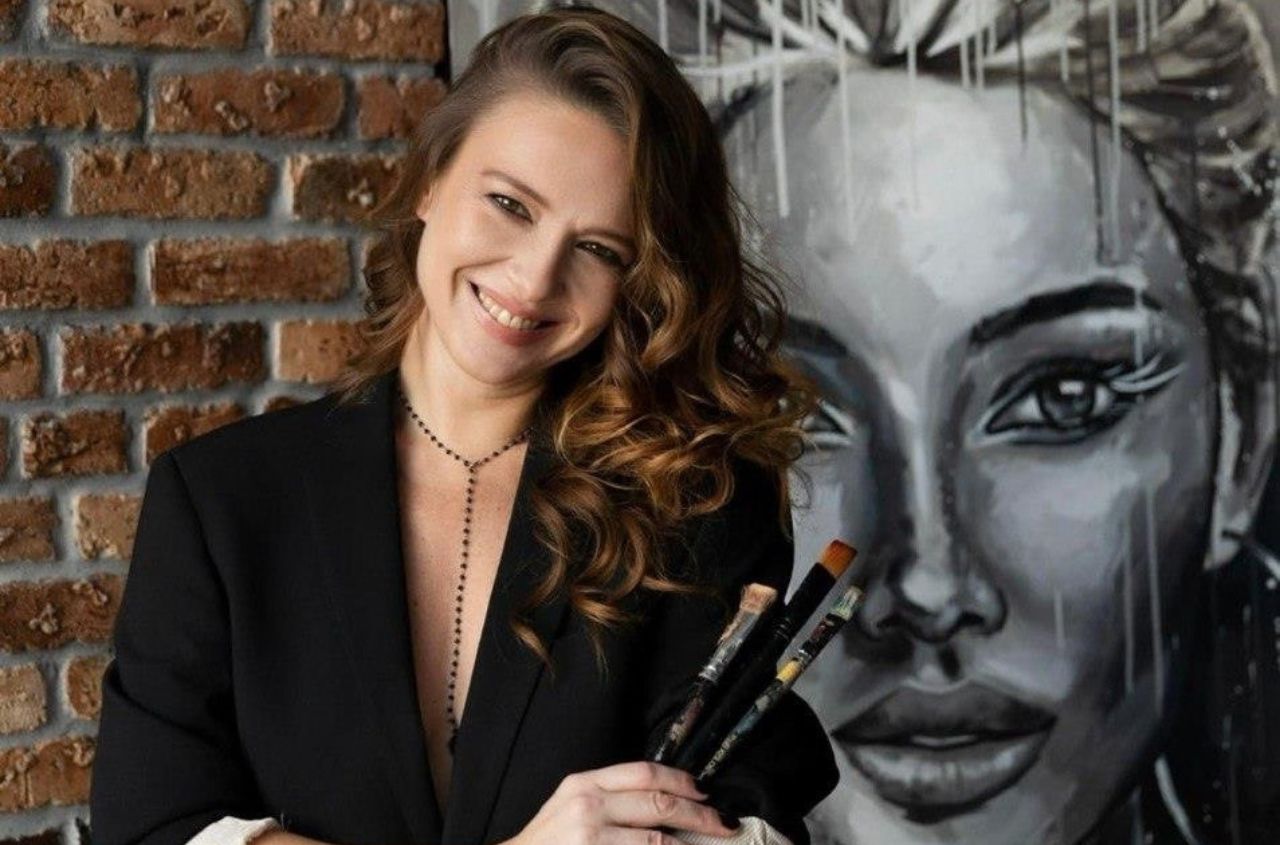


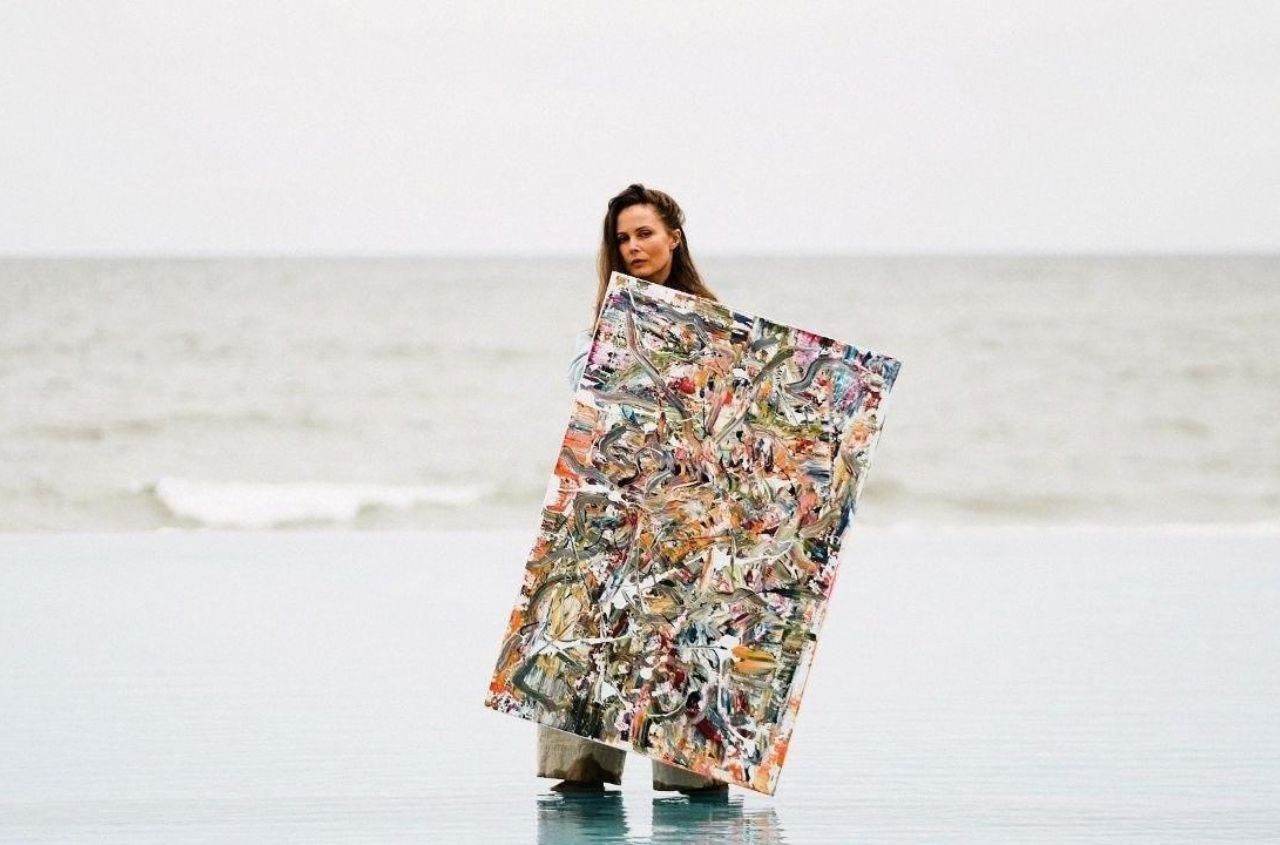

Main image: Darya Nakvakina
The sixty-second interview through images by Andriy Sheptunov
Art in an era of major upheavals has long ceased to be mere pretty pictures meant to decorate an interior. Today, it operates like the finest Odessa seismograph: at the slightest tremor, it instantly registers shifts in the air, in wallets, and in the collective psyche. And when the familiar world around begins cracking at the seams with that unmistakable sound, conducting conversations with an artist using textbook cultural theory formulas is a luxury we simply cannot afford.
In Odessa, thank God, people have always known how to look life’s drama in the eye with open vision and a healthy dose of irony laced with courage. The local art scene is an entirely separate organism altogether, where southern temperament somehow manages to coexist with the rock-solid realities of the times.
It is within this rich, simmering broth that the artistic voice of Darya Nakvakina takes shape—a creator whose works do not merely hang on walls, but live vibrant, turbulent lives of their own, standing as full-fledged co-authors of the era.
Darya herself hails from coastal Chornomorsk—a city of winds, harbor cranes, and an endless maritime horizon that has permanently fused into the DNA of her visual language. Following more than a decade of professional work in photography, in 2020 she made a decisive leap into painting—and things took off from there.
Her projects have a habit of venturing far beyond the quiet confines of an academic studio: from large-scale performances in her native Chornomorsk (Moon Diary of a Single Tree, Symphony of the Wind) and exhibitions from New York to Milan, to canvases painted directly on the deck of an active tanker amidst the sea elements, where the easel sways so violently that romance is the last thing on your mind.
Working across abstract painting, video art, and spatial installations, Nakvakina developed a signature technique using gauze and bandages on canvas. In her hands, these materials cease to be mere texture, turning into a potent metaphor for vulnerability, wounds, healing, and transformation.
The artist’s practice rests on a timeless seaside rule: if you set out to do something, do it so fiercely that the ground gives way beneath your feet and sparks fly—whether through solo projects at the O. Bilyi Museum of Fine Arts or international exhibition showcases that have dispersed her works into private collections from France to Mexico.
That is precisely why staging a conventional “how did your journey begin” interview with standard-issue questions about muses and inspiration would be an outright sin and absolute boredom. An artist should be asked about the craft.
The true truth of art reveals itself not in polished interview declarations, but in the texture of the canvas, the conditions of the challenge, and that very boiling point where an author discovers the resolve to create against all odds.
Therefore, for this feature, we decided against reinventing the wheel and applied our signature Odessa approach: fewer words, more substance. Instead of beating around the bush, Darya responds to a curated series of direct, focused inquiries through her own works—ranging from the defining, unyielding Courage to video documentations capturing moments when history decided to show its harsher side.
So settle in comfortably, because what lies ahead is not just text, but an open studio where each piece speaks for itself far more eloquently than any critic ever could. Part of the responses remains in video format—allowing you both to see the work and to hear the artist directly.
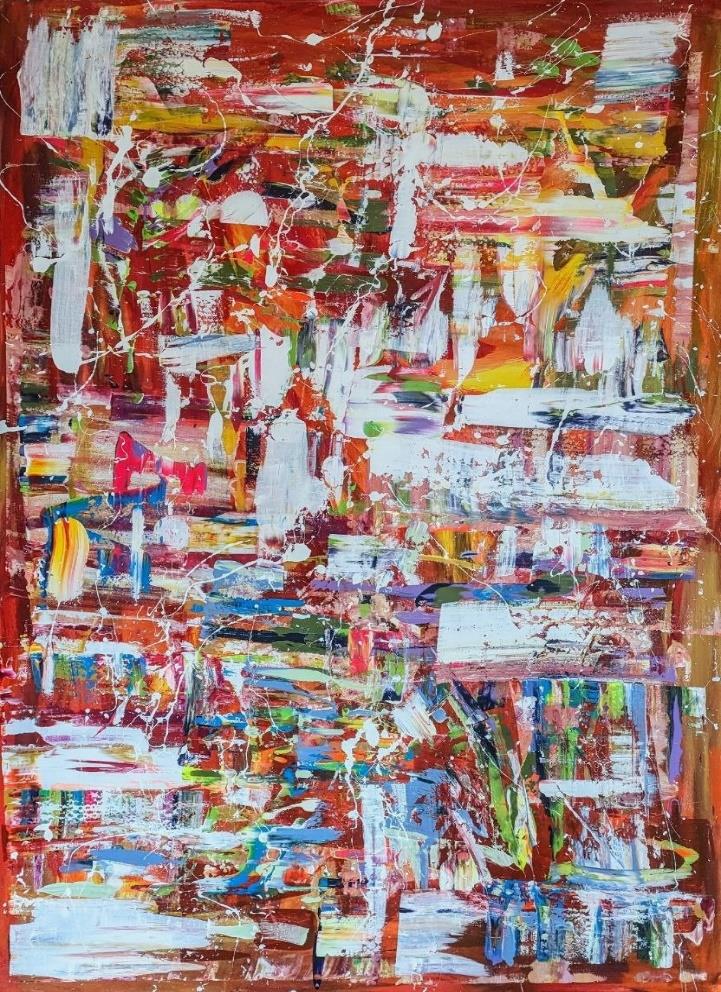
1. Which of your works proved to be the most commercially or exhibitionally successful?
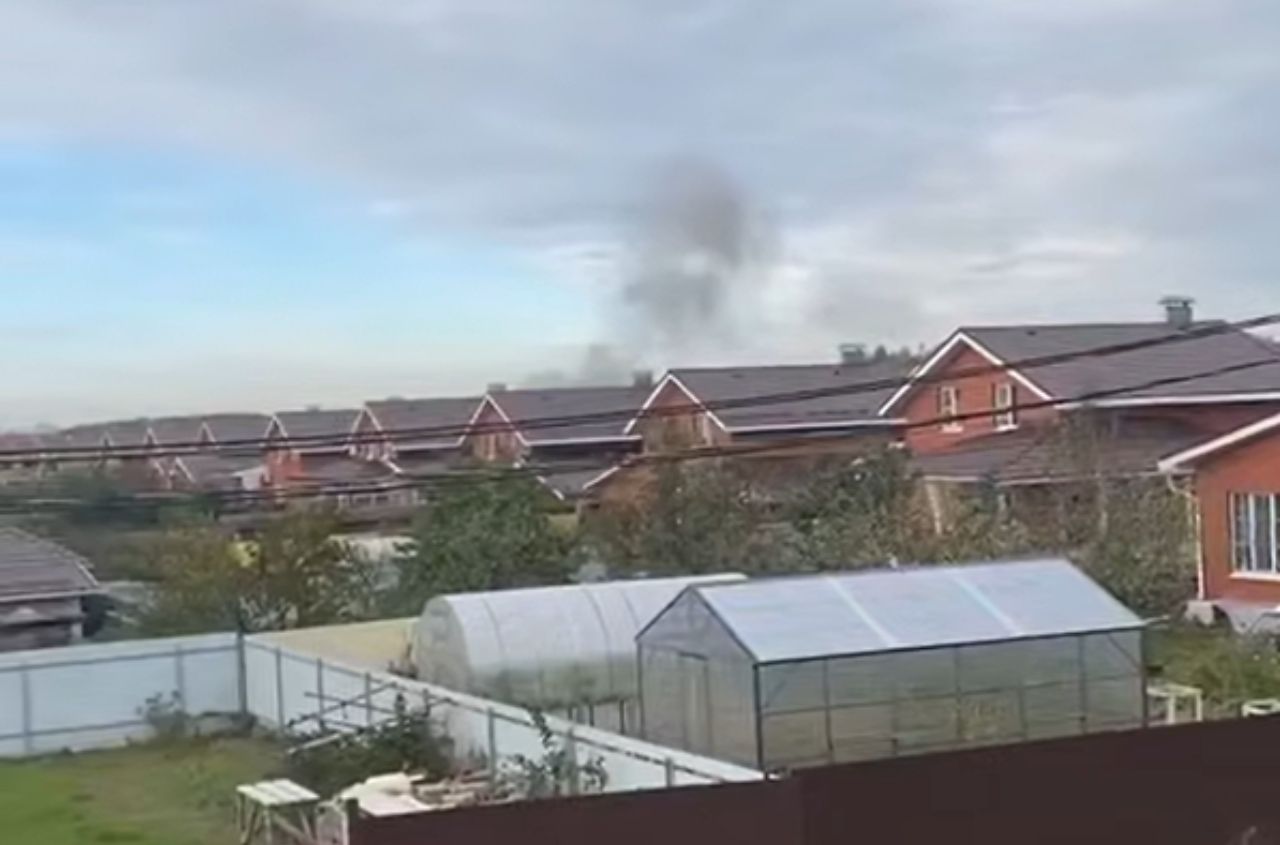
2. Show us a work capturing the storm of human emotion on the eve of radical change.
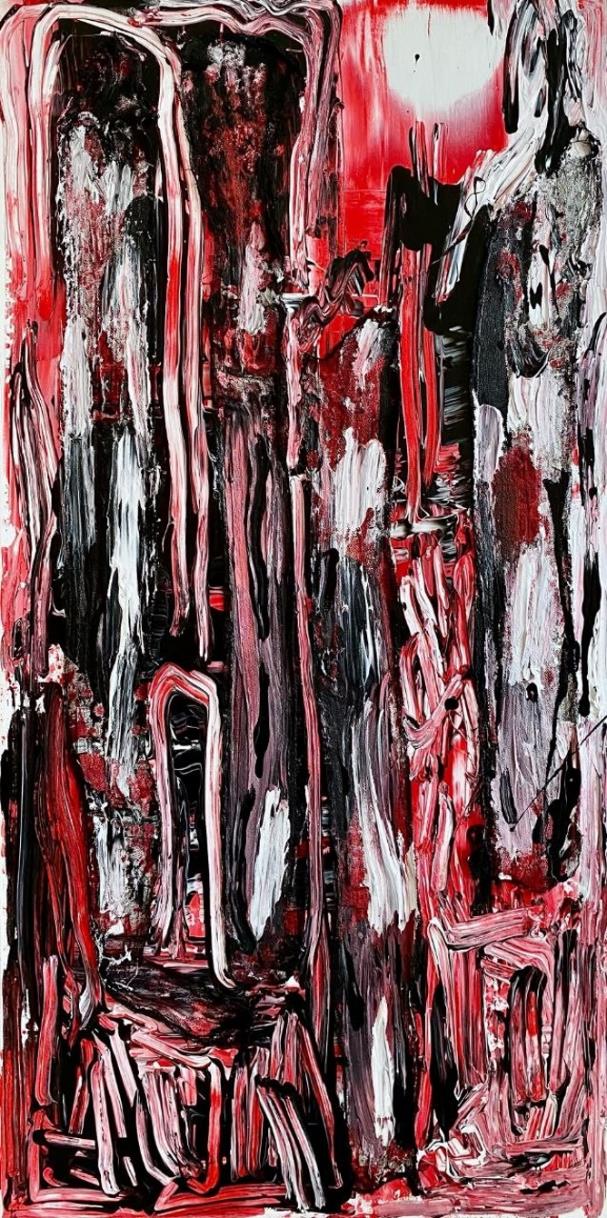
This work was painted a few weeks before the outbreak of the war
3. Which of your works most accurately reflects a turning point in your artistic style or worldview?
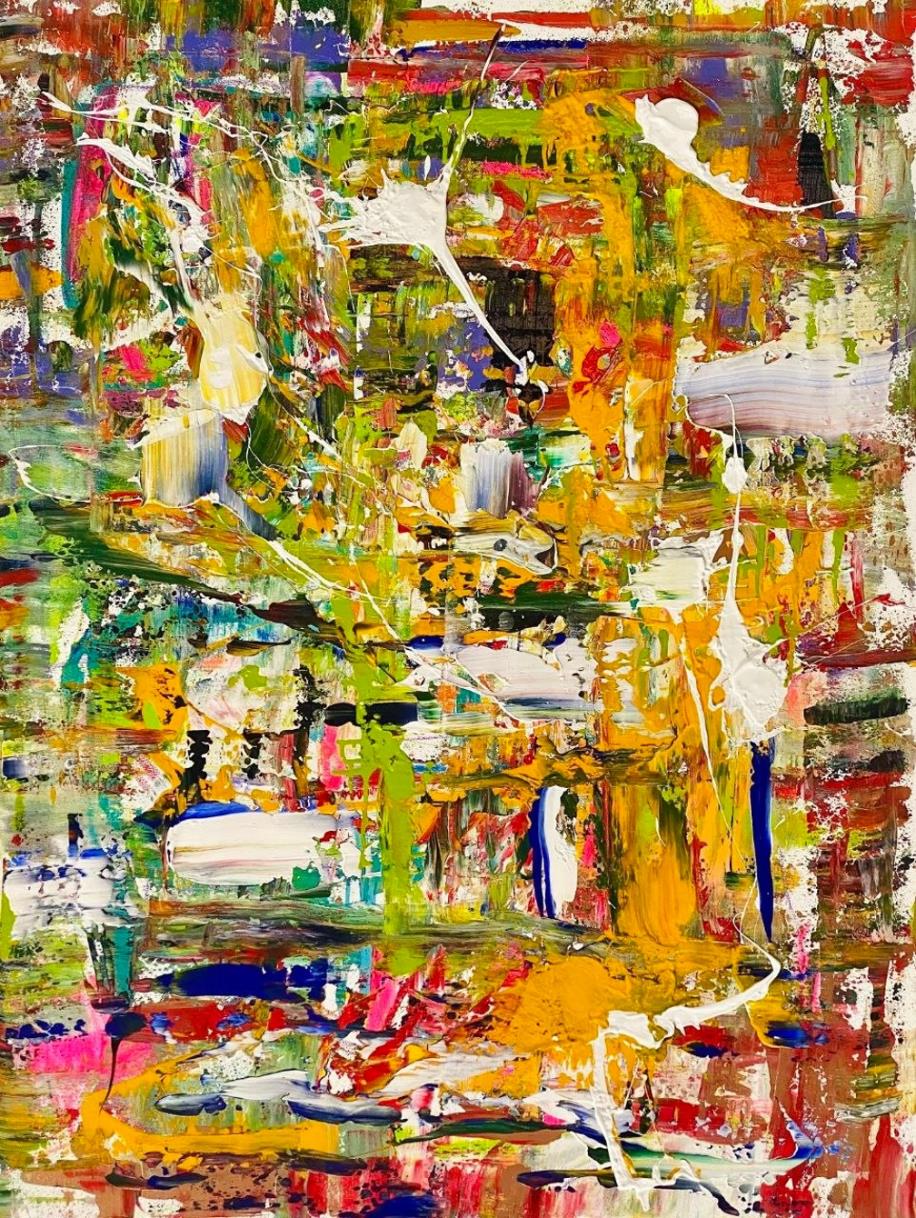
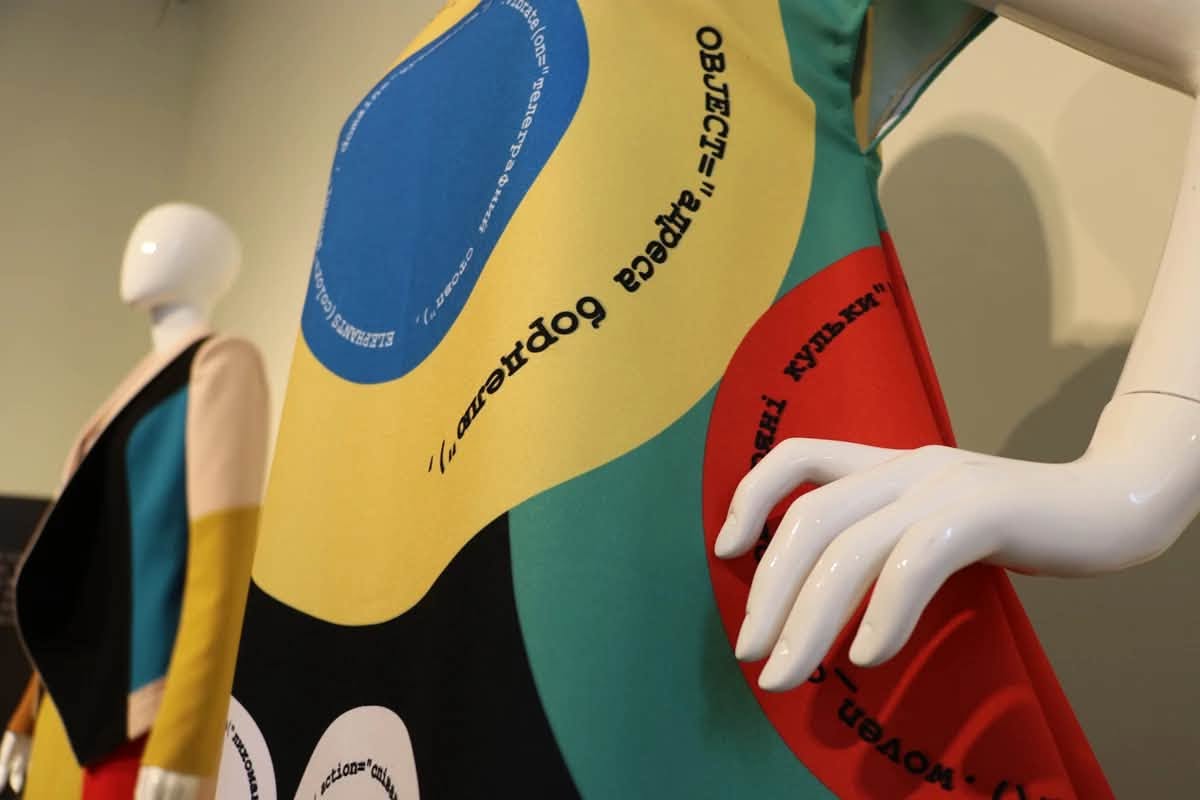
4. Show us a piece where your signature technique with color, texture, or material manifested most vividly.
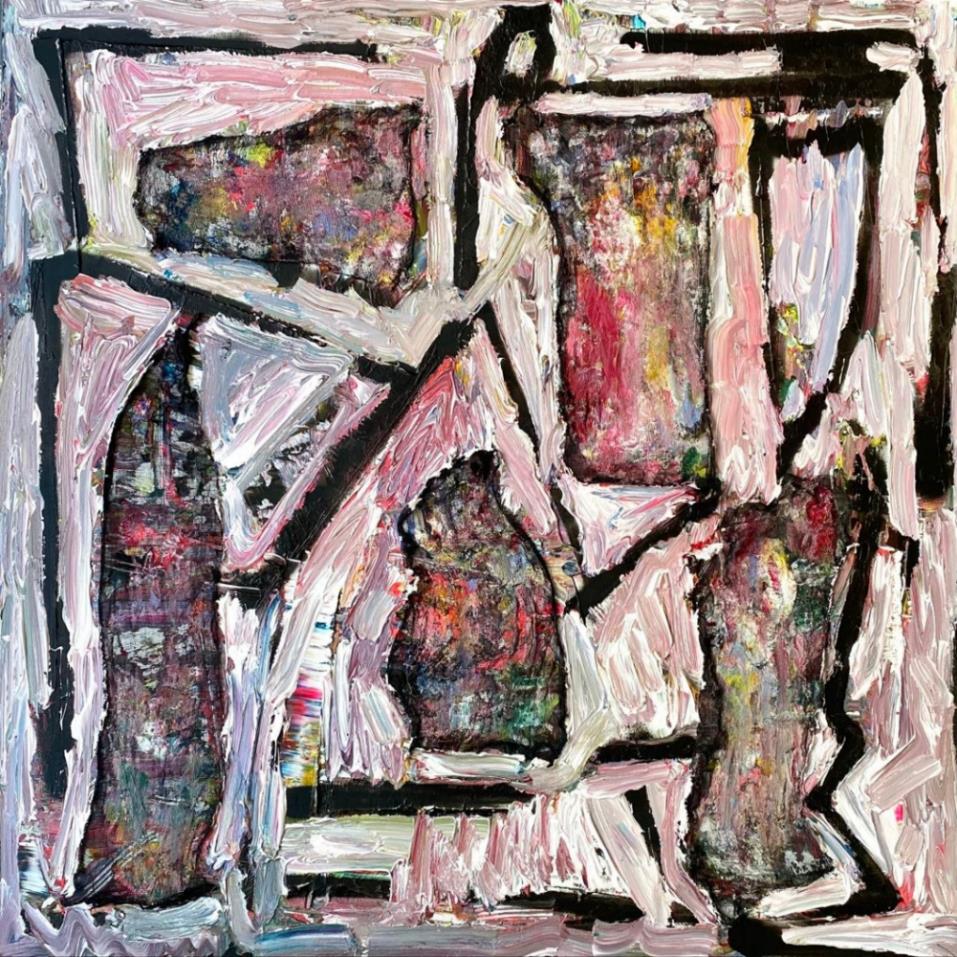
5. Show us a work tied to your strongest personal memory or emotional experience during its creation.
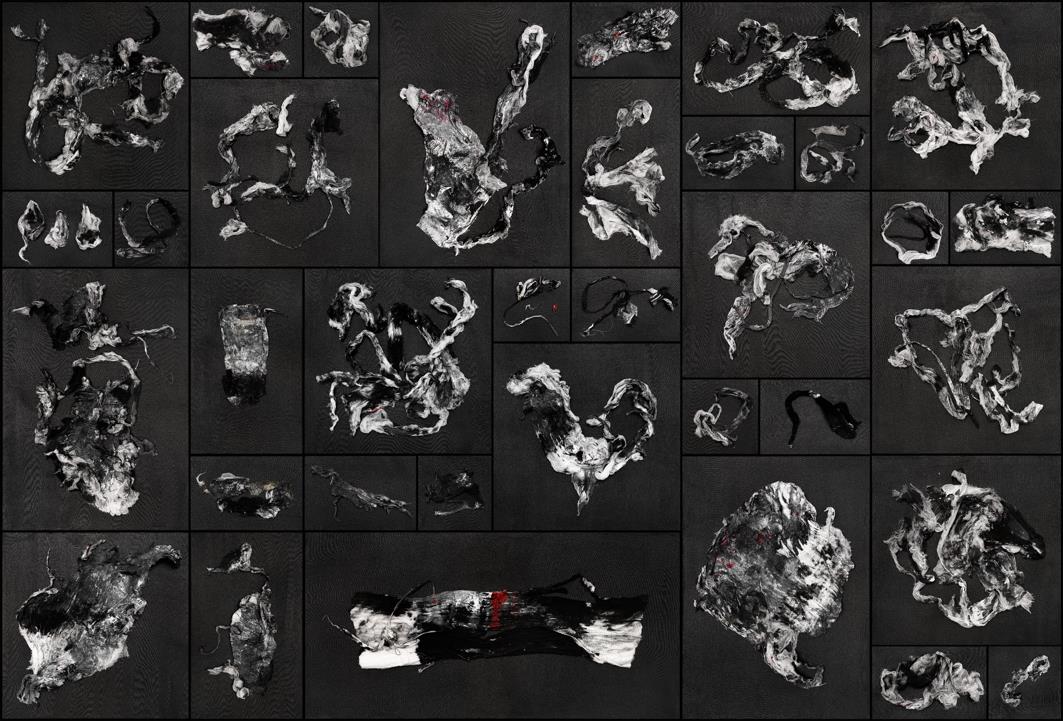
This work was created during this performance
6. Which of your paintings captures that state where the familiar world collapses, yet a new understanding of life is born?
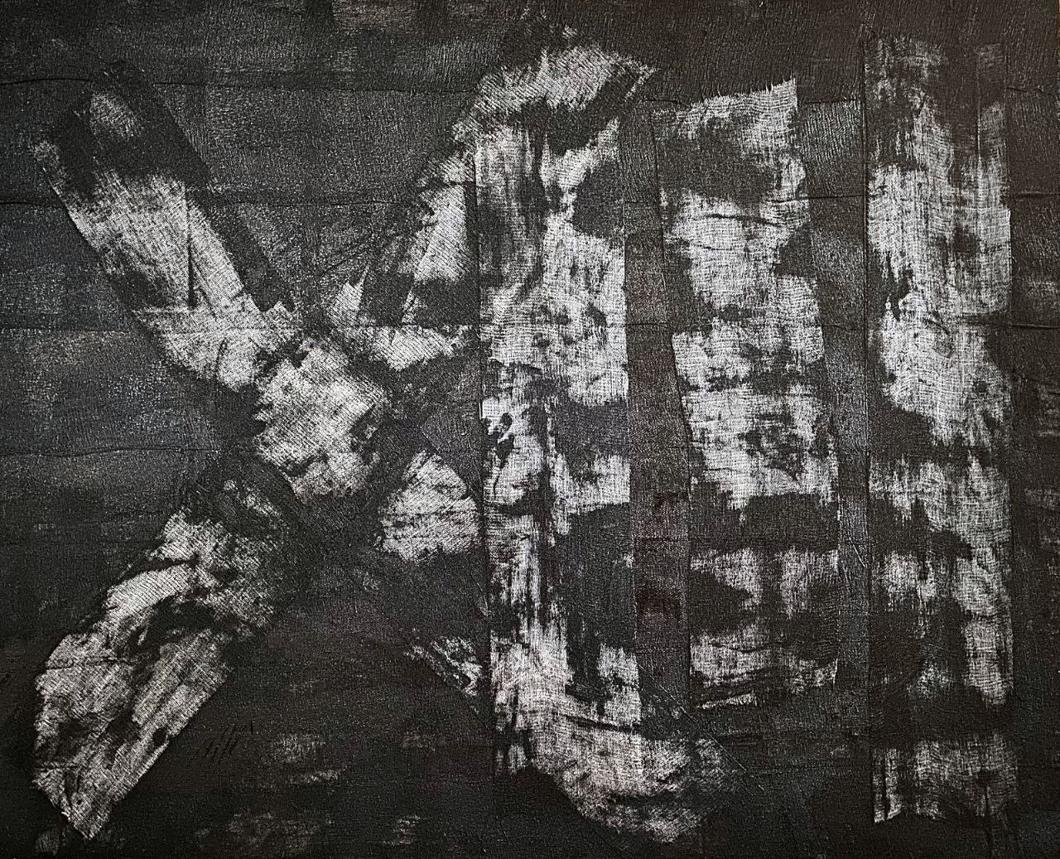
7. Show us a piece where you experimented most boldly with form or meaning.
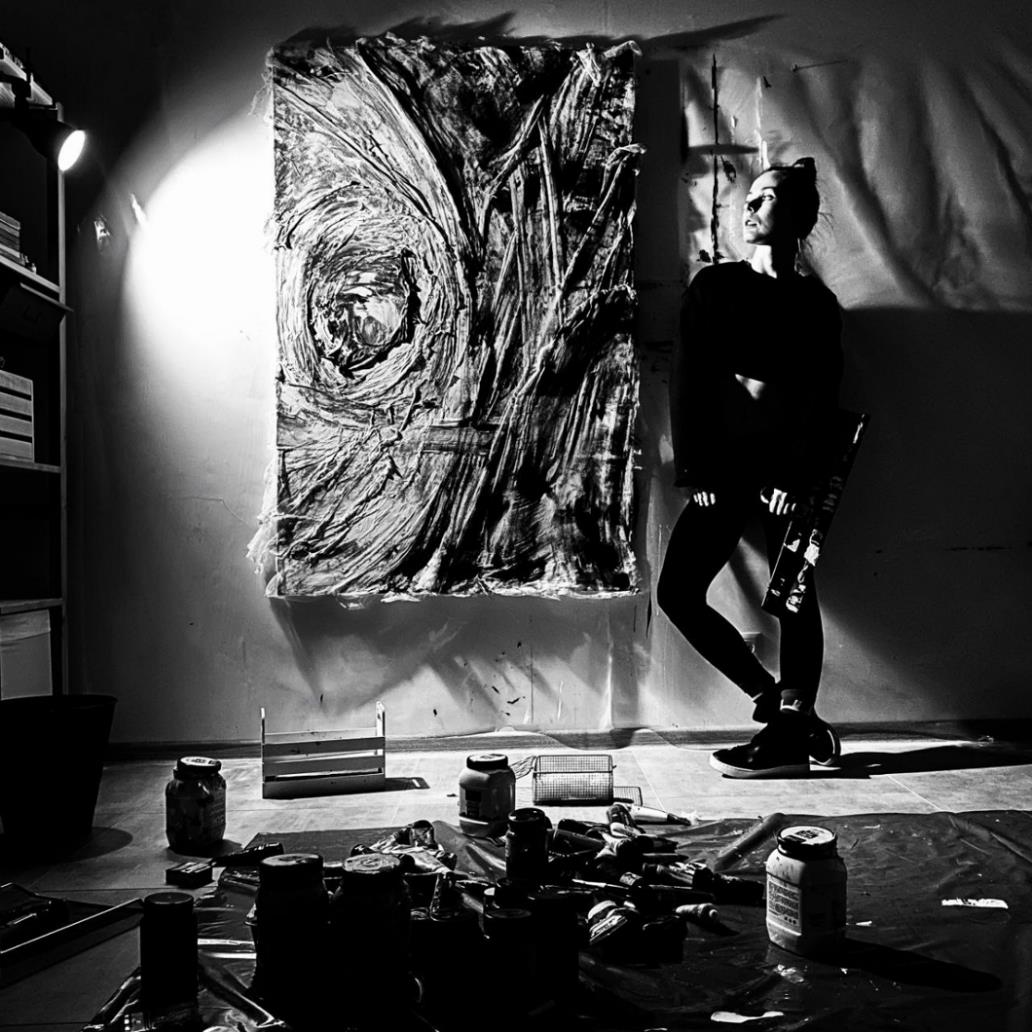
8. Show us a canvas that presented your most demanding technical challenge.
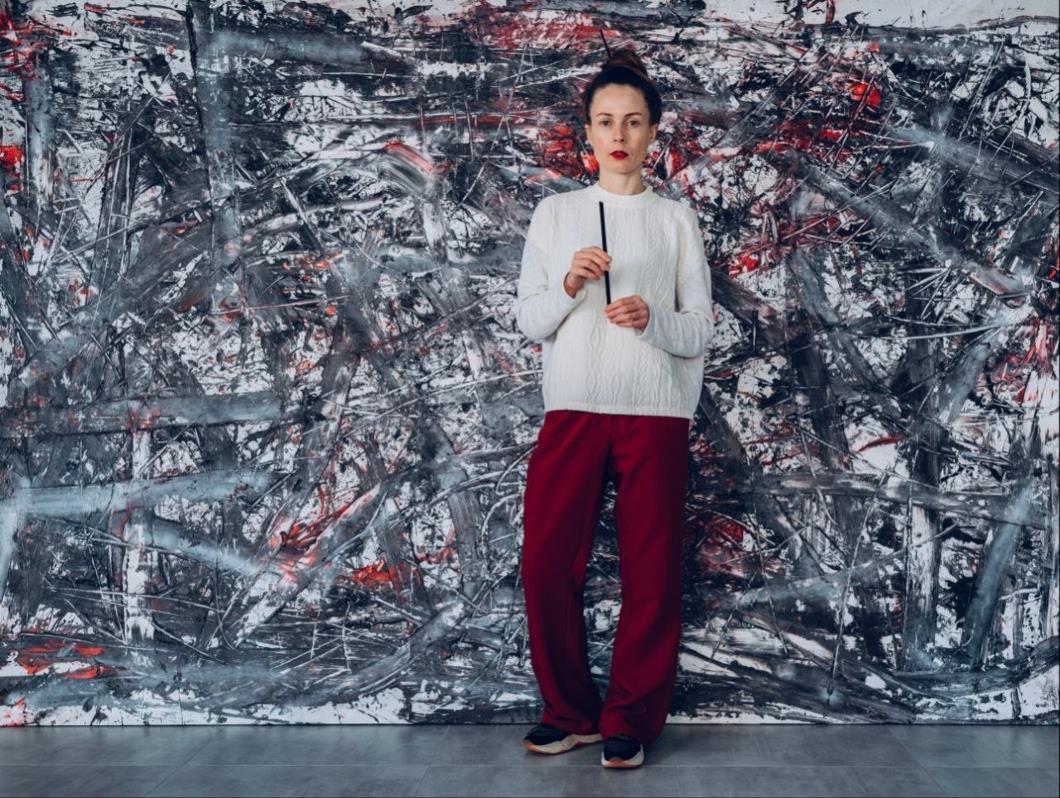
It was painted on the deck of a tanker
9. Show us a work that resonates as a visual manifesto of peace overcoming war.
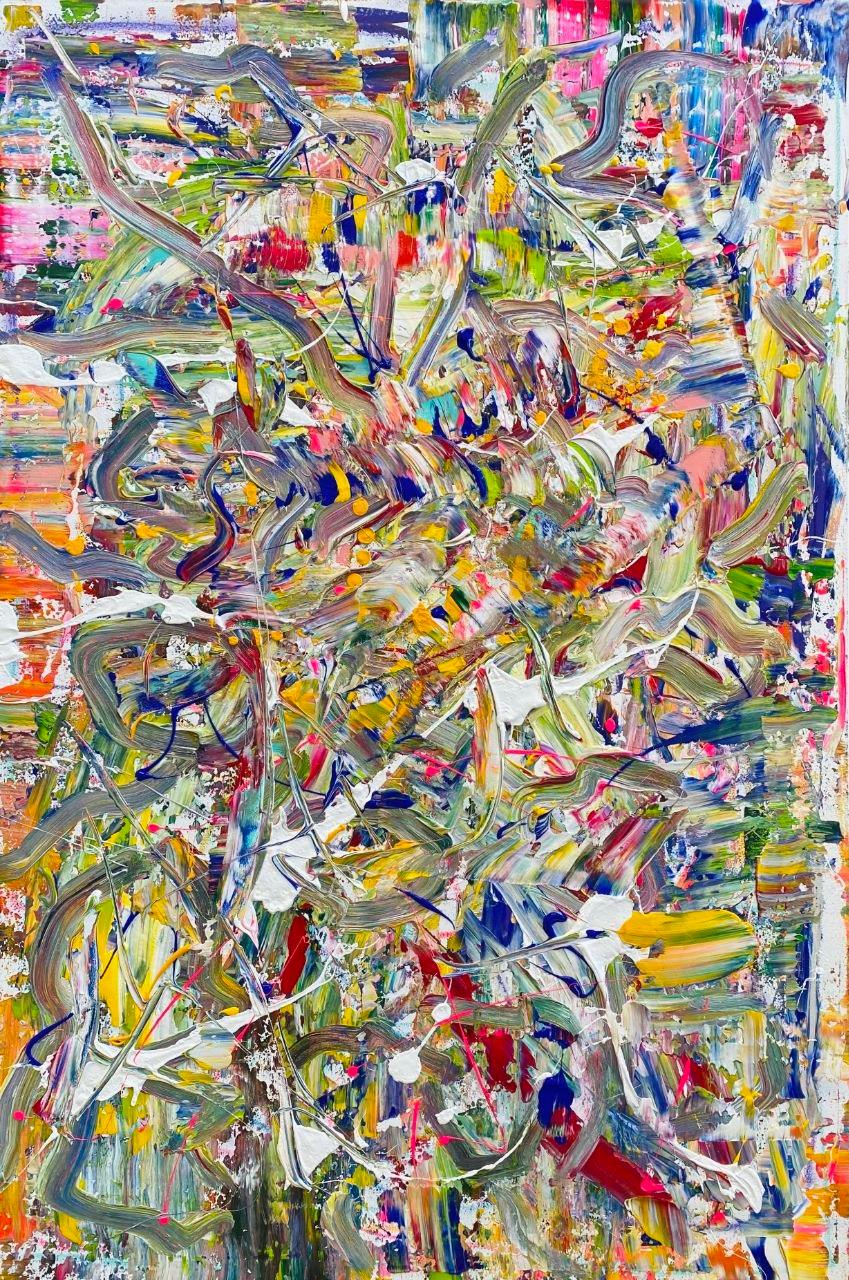
10. Which of your canvases would you choose as your signature calling card for a retrospective exhibition?
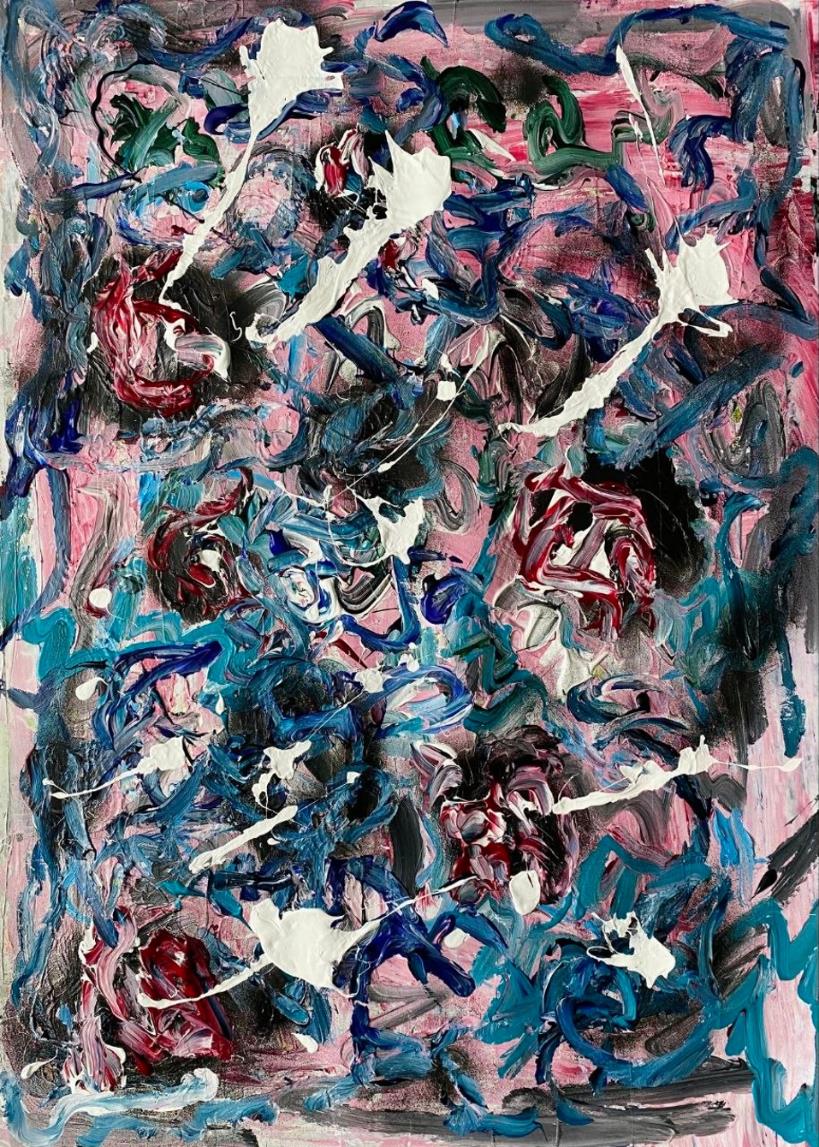
11. Show us the work whose concept took the longest and proved most challenging to formulate.
‘The Echoing Diary of a Single Tree’ · project
The answer is featured in the video.
12. Which of your works has become your definitive magnum opus?
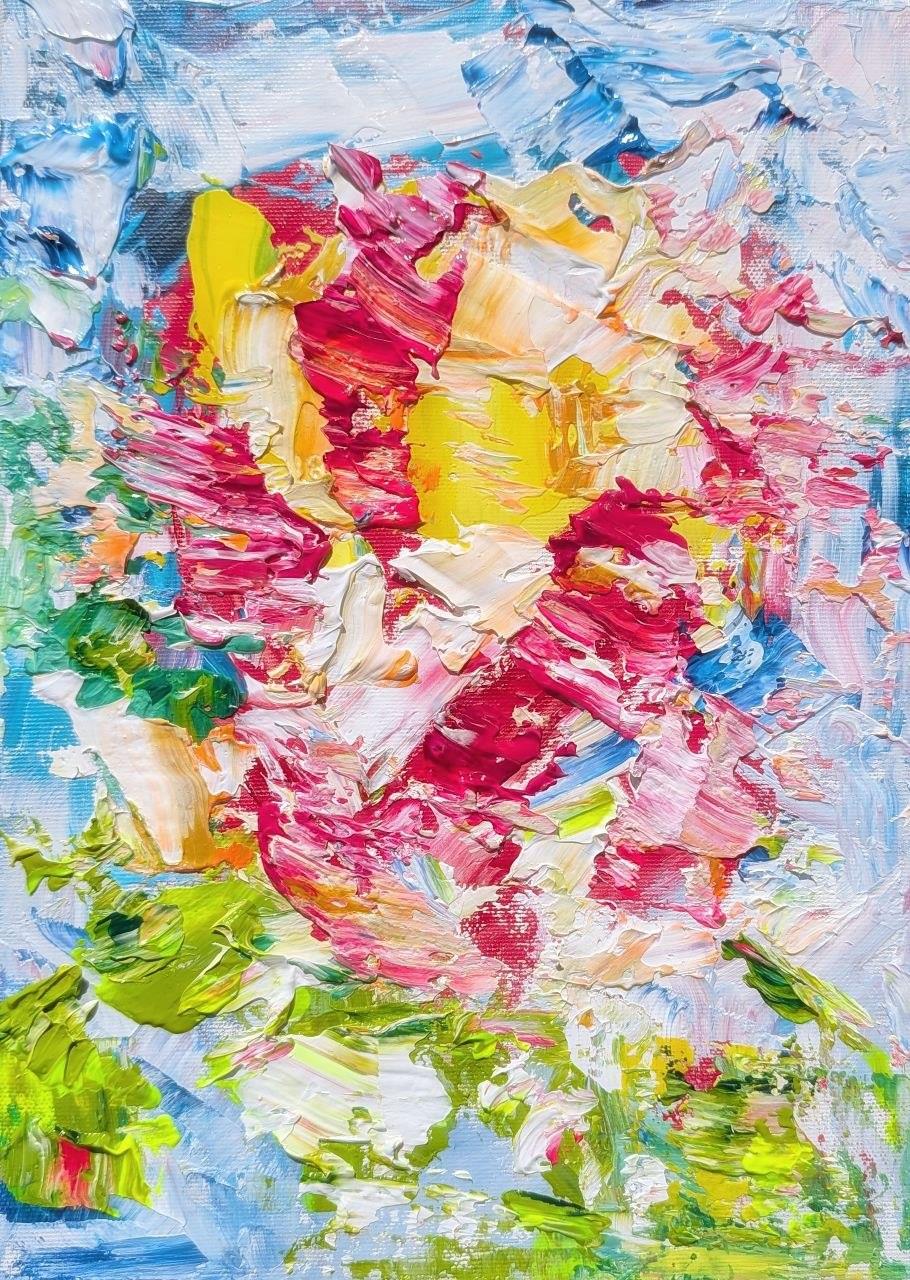
Well then, settling for a routine “the author extends their gratitude” at the close of such a dialogue would be an absolute crime against art and common sense. In the end, when an artist foregoes a thousand excuses and lofty manifestos to place before the audience the deck of an active tanker, premonitory canvases painted before the storm, and the resolute Courage, any further commentary is beside the point.
Darya Nakvakina’s studio does not close—it simply relocates to wherever real life is unfolding, and we will continue keeping an eye on it with that enduring Odessa curiosity.
To make sure you do not miss the next brushstrokes, storms, and creative plot twists, stop by the artist’s digital studio—we leave the links for open-hearted connection right here:
Take a look, find your inspiration, and remember: authentic art always knows where to steer, even when the seas are rough.