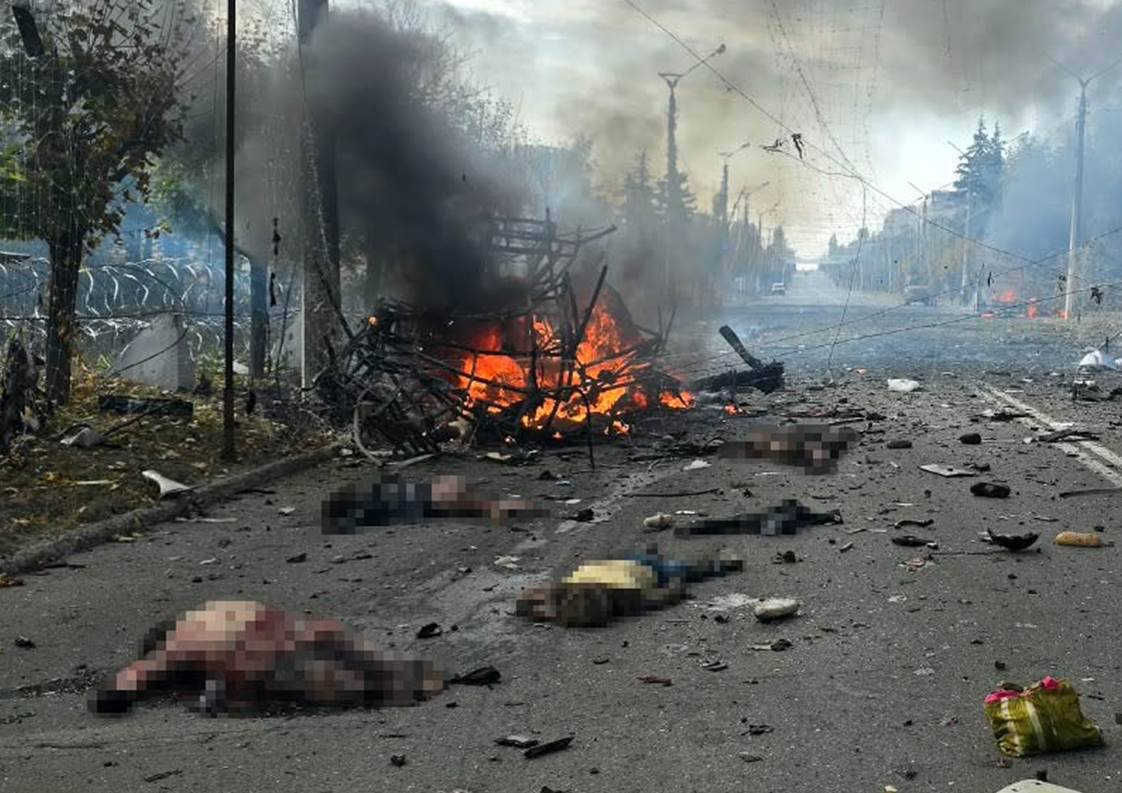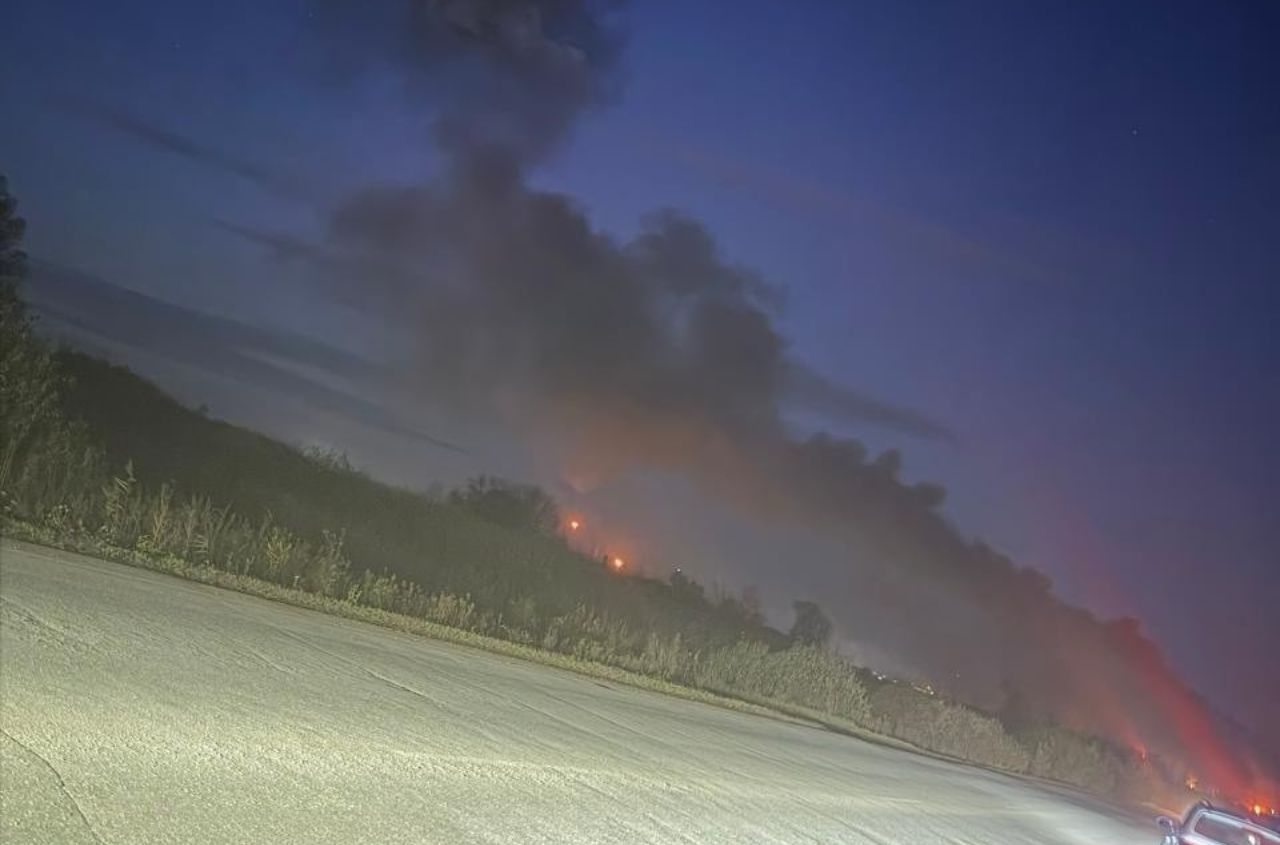



According to estimates by OSINT researcher Clément Molin, Ukrainian drones have struck more than 3,000 Russian vehicles on roads at operational depth behind the front line since May this year.
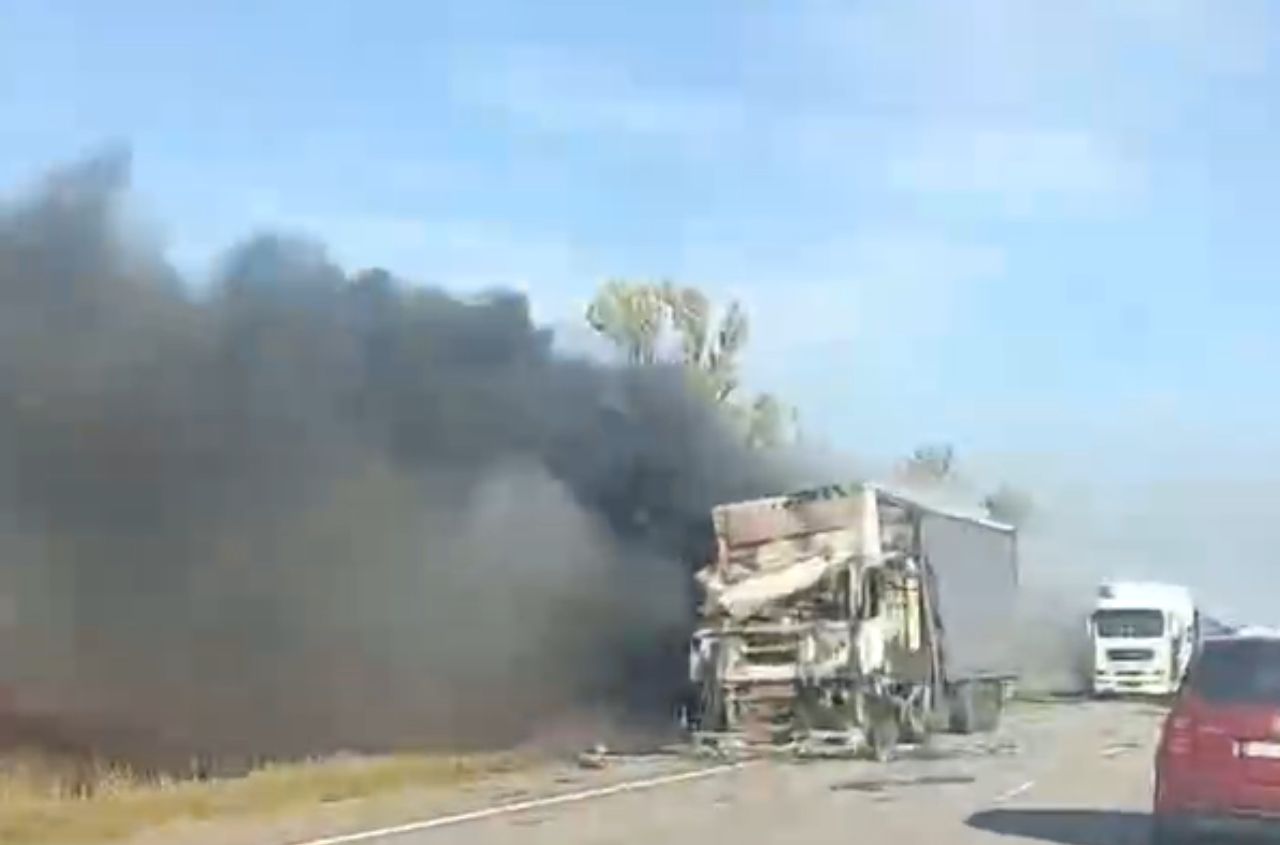
Videos regularly emerge online showing Ukrainian drone attacks on Russian truck convoys, as well as footage recorded by drivers passing burning vehicles belonging to their colleagues.
Ukrainian forces are also making efforts to disrupt Russian logistics routes, including strikes on bridges, some of which have now been destroyed.
According to Molin, Russian convoys typically consist of three to five trucks escorted by two or three vehicles belonging to mobile fire groups.
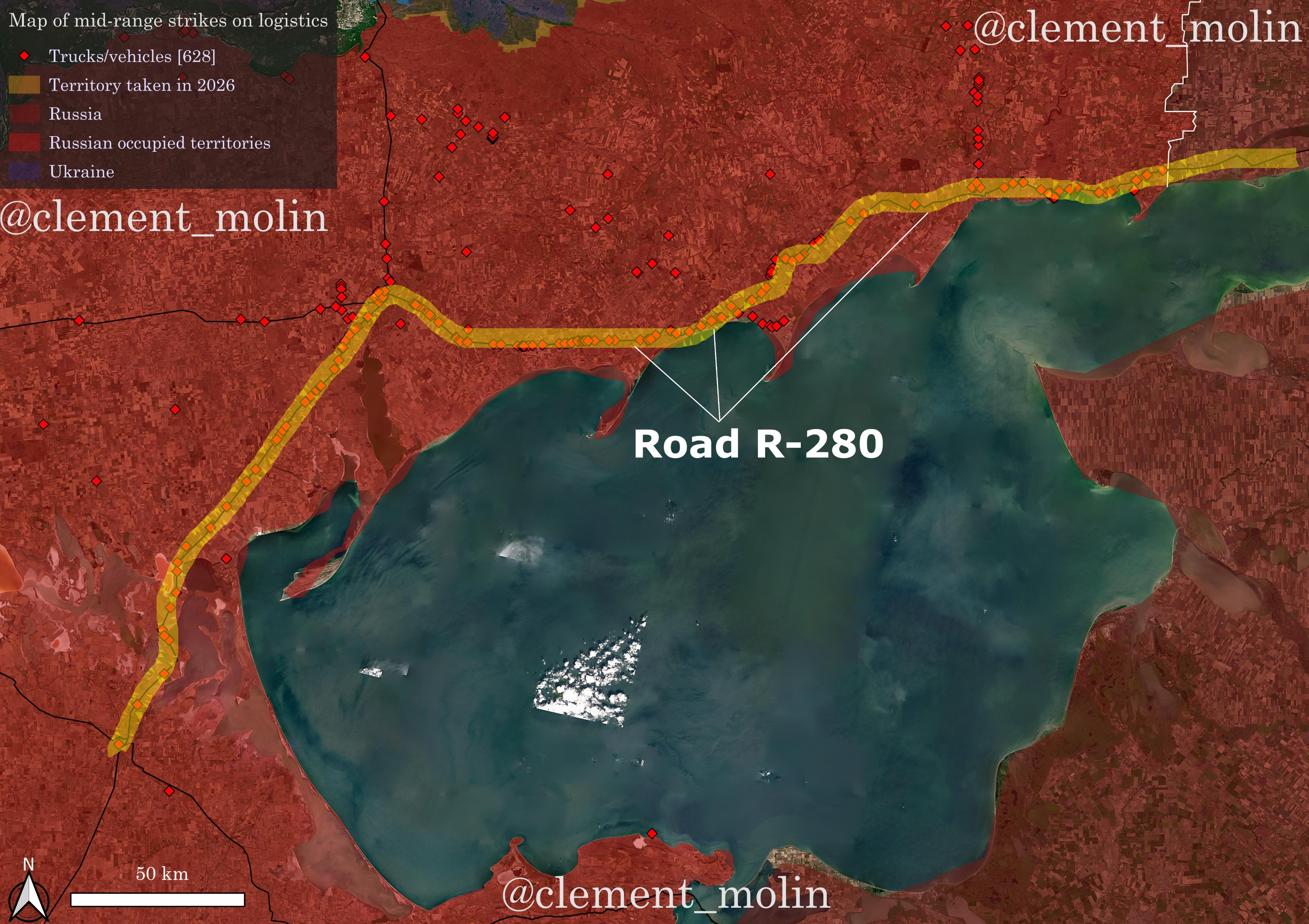
The researcher believes conditions will become increasingly difficult for Russian forces. Falling leaves will make it harder to conceal vehicles, while deteriorating weather conditions will complicate attempts to leave paved roads.
In addition to fixed-wing drones, Ukrainian forces use long-range FPV drones, including fibre-optic-controlled models, to strike targets at operational depth.
According to Molin, Ukrainian Defence Forces prioritise their targets in the following order: mobile fire groups, fuel tankers and other trucks.
Russian statistics suggest that Russian forces are increasing their use of interceptor drones to counter Ukrainian UAVs. In particular, the Rubicon centre claimed to have intercepted 286 FP-2 drones and 46 Hornet drones in September, alongside other UAV types.
Although these figures remain unverified, Ukraine's campaign of strikes against Russian targets at operational depth continues at approximately the same pace as before.