


When the United States shut down internet access in Iran in the summer of 2025, a network of bots posing as proud Scots and advocating Scottish independence went silent for 16 days. A similar pause occurred in January 2026, when street protests broke out in Iran and the authorities themselves restricted internet access. Research on this subject is publicly available.
Right now, we are witnessing something similar that deserves to be documented and analysed. Following the "smoke incidents" at three Yandex data centres, some of the accounts that had been hysterically denouncing Ukraine's problems suddenly went quiet. Perhaps it is a coincidence. Perhaps not.
I suspect researchers specialising in this field will now look for various anomalies. And they will almost certainly find something. Just as they previously uncovered a network of Spanish-language accounts operating under the umbrella of Iran's Islamic Revolutionary Guard Corps (IRGC), attacking the United States and amplifying issues such as migration, Venezuela and other topics.
I never tire of repeating: nobody targeted Russian data centres until the Kremlin started attacking Ukrainian ones.
According to official Russian reports, Russia has attacked 17 Ukrainian data centres, some of them repeatedly. Well, now it is receiving a response.
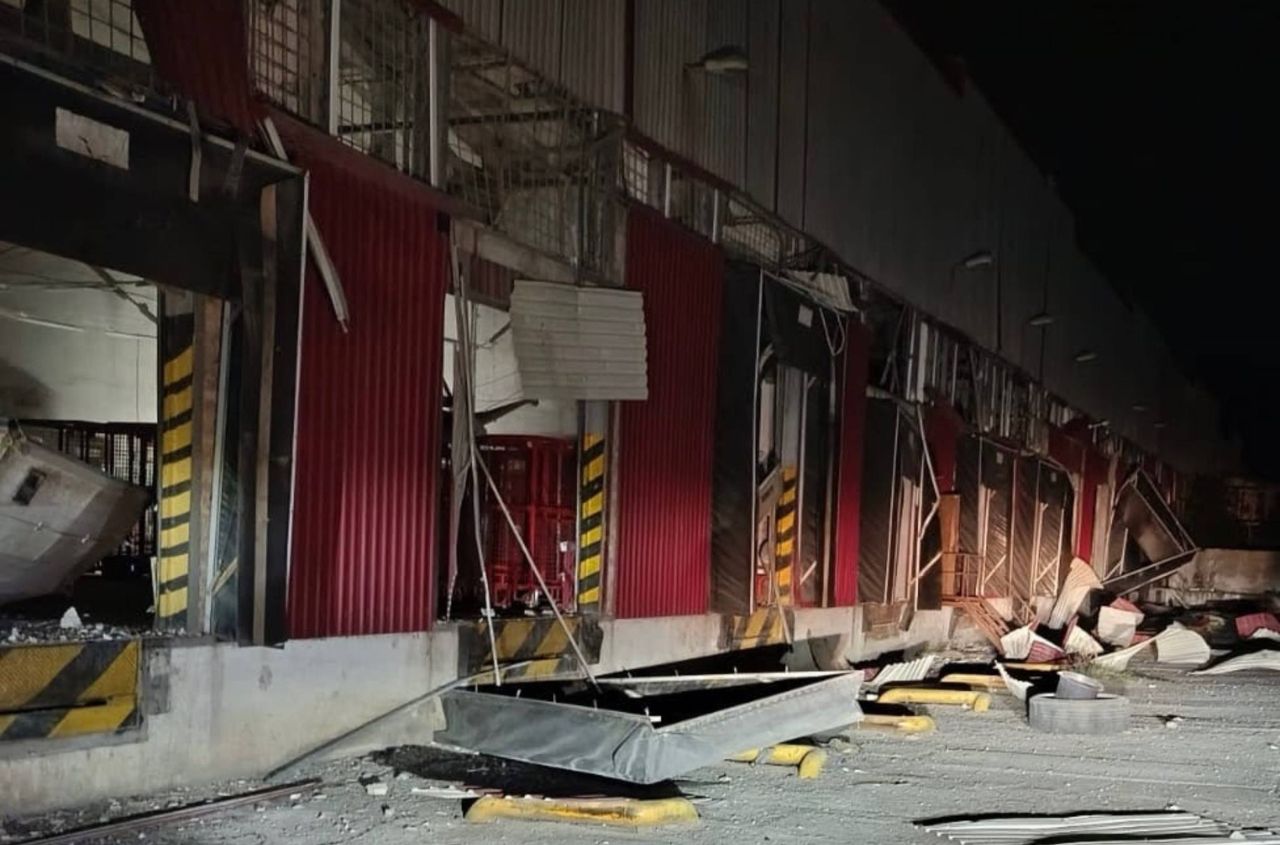
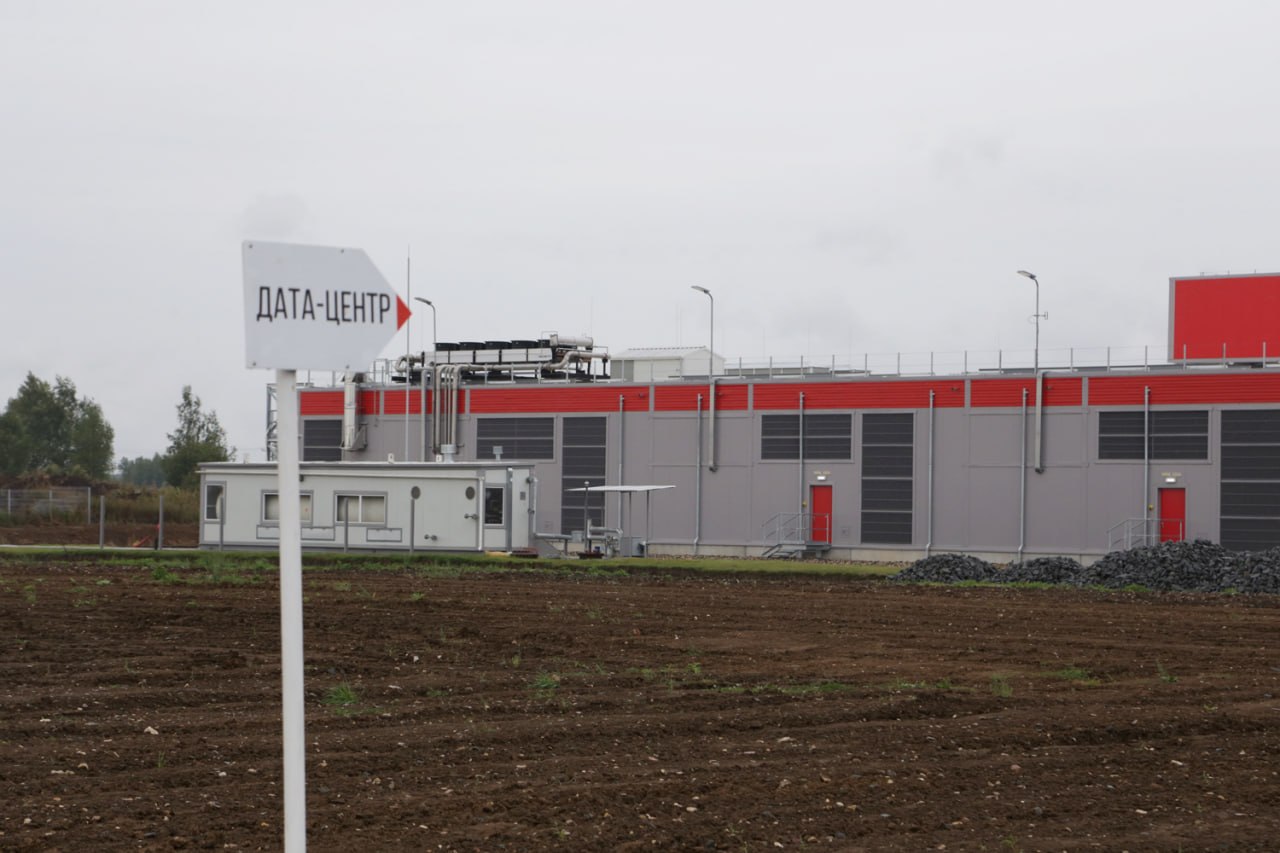
So far, Russian sources have reported strikes on three Yandex facilities over three days. Two more remain in the Moscow region, along with a facility in Finland that has officially been disconnected from the electricity grid.
The significance goes beyond everyday inconveniences for ordinary Russians and problems for businesses. The damaged data centres house three Russian supercomputers: Chervonenkis (launched in 2021), Lyapunov (2020) and Galushkin (2021). As we can see, all three were commissioned shortly before the full-scale invasion.
In 2022, Chervonenkis, Russia's most powerful supercomputer, ranked 19th globally. In other words, Russia felt sufficiently confident in its capabilities and was preparing to compete internationally.
The catch is that these machines were built using Western technologies and equipment, primarily NVIDIA hardware. Sanctions introduced in 2022 significantly complicated access to updated advanced software and components. As a result, Russia began falling behind.
By June 2026, according to the latest TOP500 ranking of supercomputers, Chervonenkis had fallen to 101st place, Galushkin to 134th and Lyapunov to 161st.
For comparison, among the world's 100 most powerful supercomputers, the United States has 25 systems (its highest-ranked machine is second globally, with four in the top ten), Japan has 16 (highest at ninth), Germany seven (fifth), South Korea seven (20th), Italy five (sixth), the United Kingdom five (13th), France four (29th), Saudi Arabia four (22nd), Israel three (59th), and China two (first and 27th).
Finland, the Netherlands, Sweden, Spain, the United Arab Emirates, Taiwan and Vietnam each have two systems in the top 100, among other countries. Even Greece ranks ahead of Russia.
Russians may respond by pointing out that Ukraine has no supercomputers comparable to Yandex's machines. And that is true. It was only this summer that Ukraine announced ambitions to begin developing a supercomputer of its own.
However, in the first days of October, Russia carried out eight strikes against Kyivstar. That is unlikely to accelerate the project.
Now, it seems, Russia is facing difficulties of its own. And there is a fundamental difference between never having something and having it taken away.
Putin and the bitter old men surrounding him are systematically destroying everything that could have secured Russia a decent future.