


Ahead of the NATO summit in Ankara scheduled for July 7–8, five of Europe’s largest military powers are rapidly building an architecture that could replace the cumbersome Brussels-based decision-making process on defense matters.
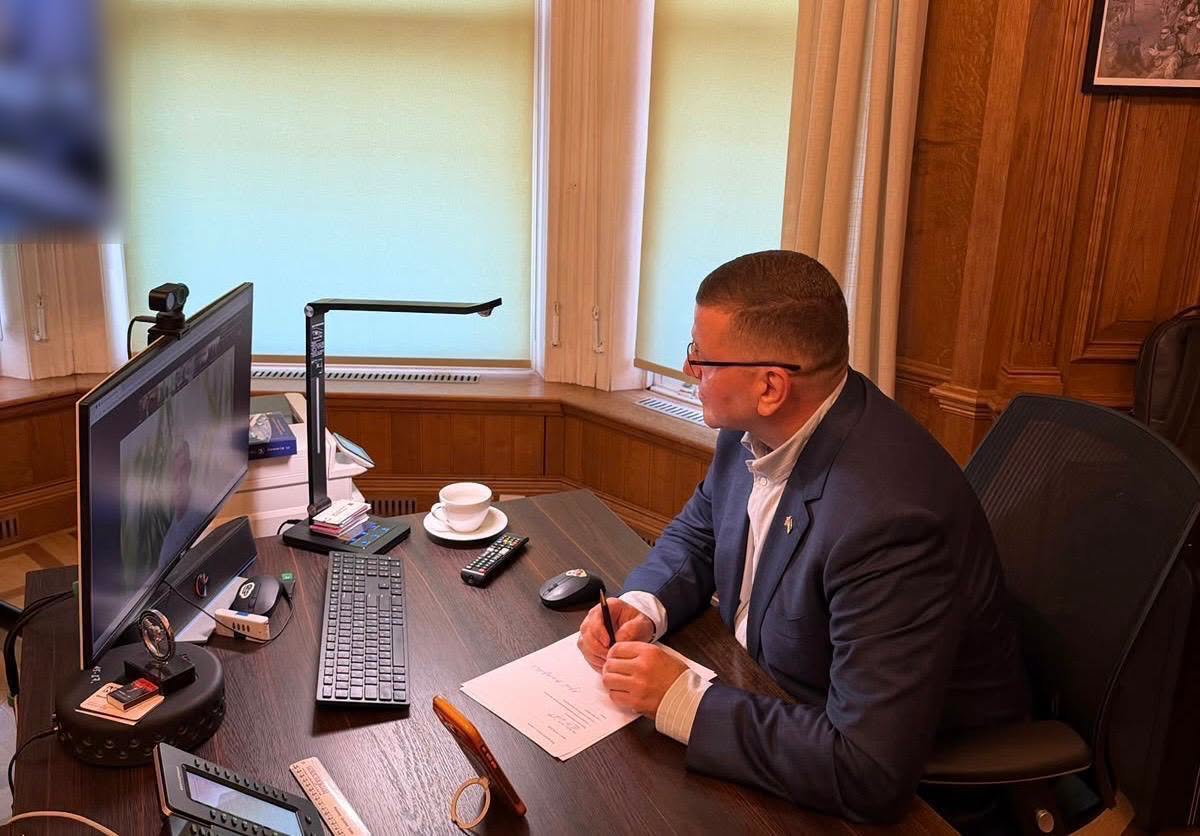
On June 12, the defense ministers of France, Poland, Italy, Germany, and the United Kingdom held a video conference in the E5 format. They discussed preparations for Ankara, increasing Europe’s contribution to collective defense, the division of responsibilities among allies, and continued support for Ukraine. The participants summarized the outcome without diplomatic language: Russia remains the greatest long-term threat to Euro-Atlantic security.
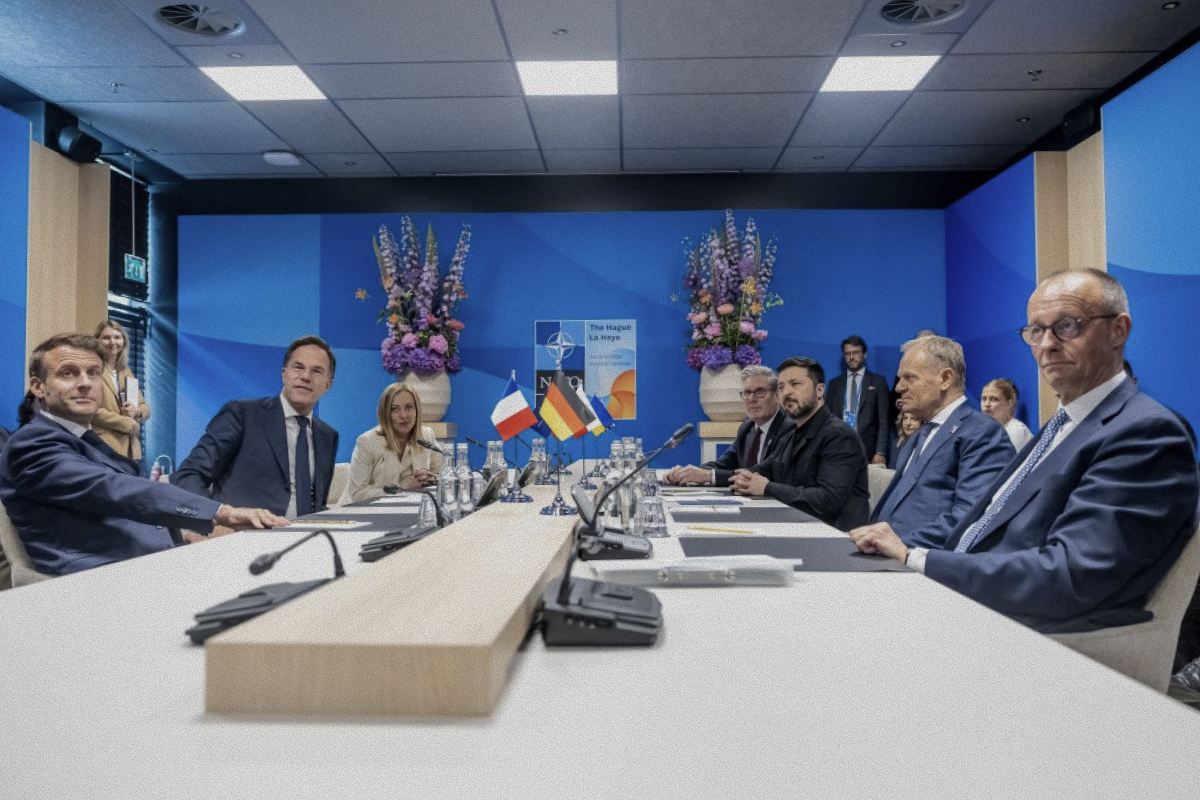
At the end of June, German Chancellor Friedrich Merz is convening E5 leaders in Berlin. The goal is clear: to form a common position ahead of the Ankara summit on cooperation with Washington and to demonstrate to the United States that Europe is ready to take on more responsibility.
At the same time, EU Commissioner for Defence and Space Andrius Kubilius proposed on June 9 in Brussels transforming the E5 into an “informal security council.” In his view, this could be the first structural step toward a European Defence Union in which decisions are made by those willing to implement them, rather than waiting for consensus among all 27 EU members.
The key difference from the classic EU format is that the E5 is not bound by EU institutional procedures and can include countries outside the Union, primarily the United Kingdom and Norway. In the future, Turkey and Canada are also being considered. This format is particularly significant for Ukraine: participation in joint defense initiatives and deeper cooperation with leading military powers in Europe opens an alternative path to integration into the European security space, separate from the long Brussels accession process.