


In Russia, signs of weakening control by Putin over the power vertical he built are becoming increasingly noticeable. Two developments in recent days—a public disagreement with the central bank and sharp criticism from a State Duma deputy—suggest growing tensions within a system that has long portrayed itself as monolithic and stable.
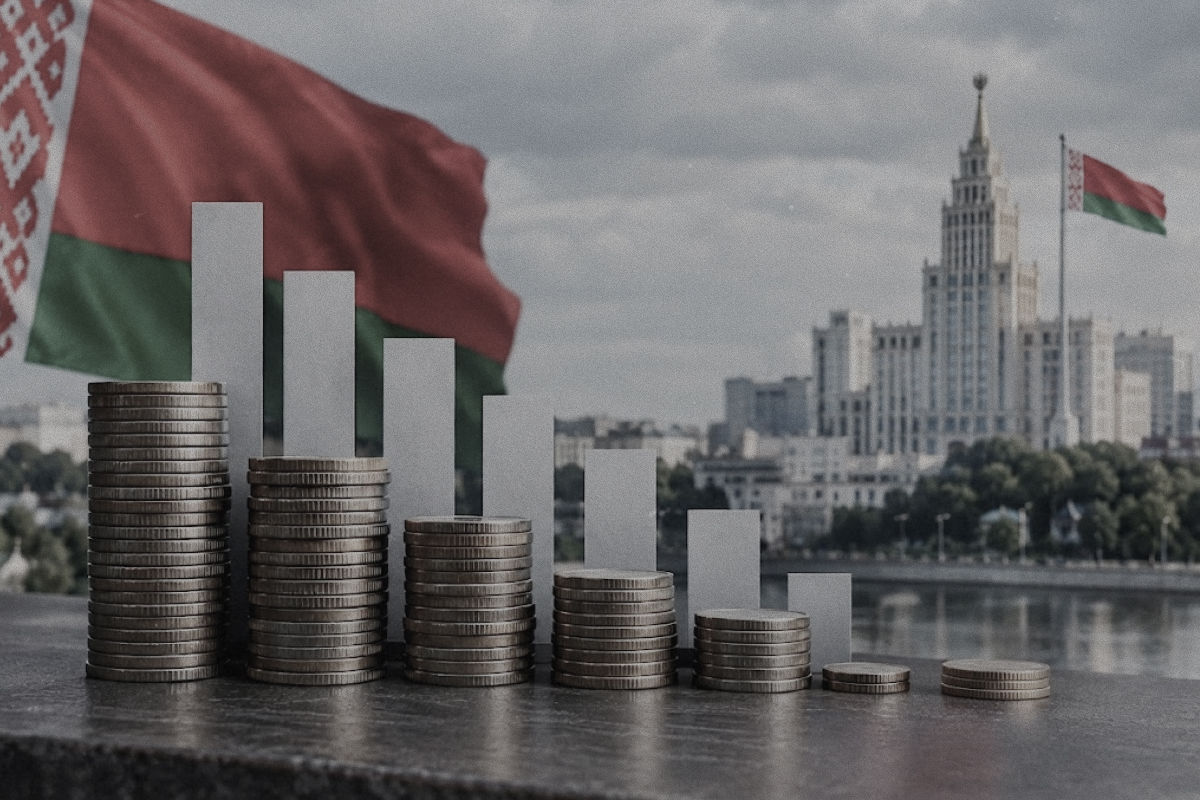
Putin stated that the authorities have grounds for further cuts to the key interest rate due to slowing inflation. According to Rosstat, annual inflation in May slowed to 5.31%, down from 5.58% a month earlier. However, Central Bank Deputy Governor Alexey Zabotkin effectively challenged this assessment, stressing that data from a single month does not constitute a sustainable trend. Moreover, inflationary pressure intensified again during the first week of June.
The central bank has also pointed to additional risks to price stability. Rising oil and gas revenues amid escalating tensions surrounding Iran have supported the ruble, but this effect is considered temporary. At the same time, higher oil prices could accelerate inflation by increasing the cost of goods and logistics.
The key factor remains the war against Ukraine. Budget expenditures continue to grow rapidly: during the first four months of 2026, the federal budget spent 17.6 trillion rubles, 40% more than the amount originally allocated for the entire year. Under such conditions, the central bank is forced to maintain a tight monetary policy, effectively offsetting fiscal expansion through high interest rates. The result is a slowdown in economic activity in civilian sectors.
Against this backdrop, unusually sharp criticism came from State Duma deputy Vyacheslav Markhayev of the Communist Party faction. In a statement devoted to the war against Ukraine, he linked demographic decline, the growing number of attacks on Russian cities, and numerous corruption scandals to what he described as “ineffective leadership.” Markhayev called for an end to showcase forums, restraint in utility tariff increases, stronger accountability for officials, and the presentation of a public plan for ending the war.
His remarks became one of the strongest public expressions of dissatisfaction from the once “pocket” opposition since the start of the full-scale invasion. The deputy warned of the risk of social unrest and directly placed responsibility for the situation on the current authorities.
Another indicator of problems for the Kremlin was the decision by VTsIOM, Russia’s state-run public opinion research center, to stop publishing Putin’s trust rating. Against the backdrop of a worsening economic situation and a prolonged war, the Russian authorities are increasingly choosing information control over publicly explaining negative developments.