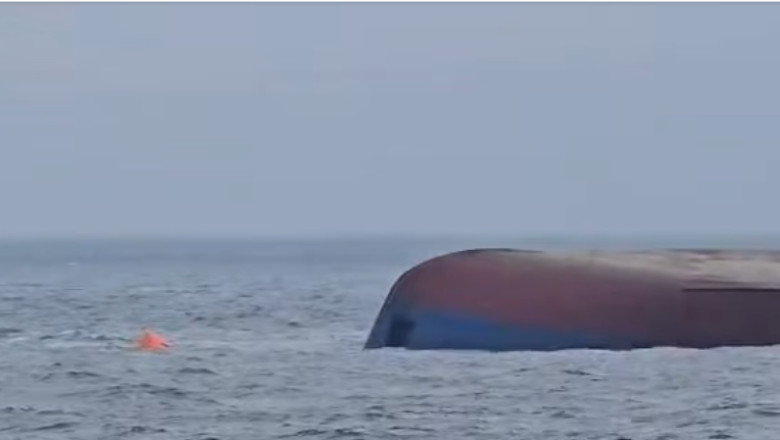


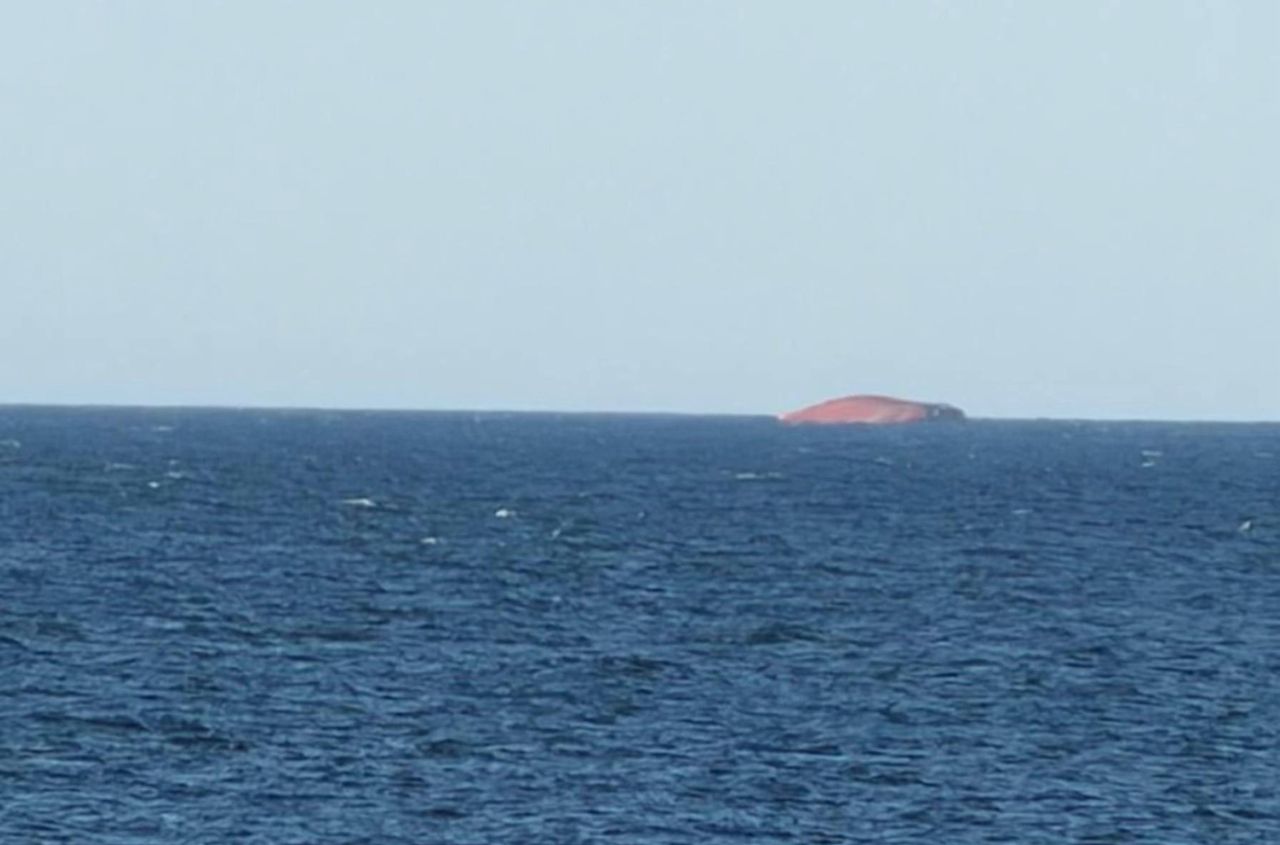

Essentially, today’s situation with attacks on civilian vessels in the Black Sea, where merchant ships are now openly being treated as targets, is the culmination of a Pandora’s box for shipping that began to be opened many years ago.
It started with large-scale piracy involving the kidnapping of seafarers (the Gulf of Aden, Nigeria, etc.) — but that was more or less dealt with. Since then, the UK has made a fortune, and continues to do so, selling insurance against “piracy,” as well as, today, war-risk insurance.
Then there was Yemen. Back in 2017, a missile struck a Turkish bulk carrier that was anchored there waiting to unload grain (there were no casualties). At the time, the market viewed the incident as something truly extraordinary — but it was quickly forgotten.
Then came February 24, 2022. As far as I remember, five or six foreign merchant vessels were hit in Ukraine during the first days of the war. The reaction of the maritime community was essentially nonexistent.
Later, there were further strikes on vessels being loaded in Ukrainian ports — these were generally dismissed as isolated incidents (a ship’s radar). And again, there was essentially no reaction either from shipowners (freight rates were high, after all) or from the international community.
Then the Houthis began deliberately attacking and sinking merchant vessels in the Red Sea. The world’s response was limited to expressions of “deep concern.”
After that came coalition strikes on the Yemeni ports of Hodeidah and Salif, where vessels were unloading grain at the time. I have photographs from there — everything looks horrific. Did you hear any reaction from maritime organizations?
Then came attacks on vessels and the deaths of seafarers in the Strait of Hormuz. Did we hear anything beyond yet another round of statements expressing deep concern? Were any real measures taken? (Apart from attempts to attract seafarers by increasing bonuses for working there in a war zone.)
What is happening in the Black Sea today is the logical result of years of inaction by EVERYONE. The same applies, of course, to the annexation of Crimea and the Boeing shot down by Russia — had the international response been tough in 2014, perhaps all the tragic events that followed around the world would have unfolded differently.
Today, Ukraine is effectively being left alone to deal with the problem of the blockade of its ports. The experience of recent years shows that there is not a single maritime or other organization in the world capable of doing more than expressing concern and actually influencing the situation.
Ultimately, everything once again remains in the political sphere, where the response to previous precedents at sea has been extremely limited.
At the same time, a potential lever of influence such as food security and the impact on the global freight market is unlikely to have a significant effect this time.
Global traders, as before, will more or less compensate for Ukrainian grain with supplies from other origins, while even a possible short-term increase in available tonnage caused by the blockade of the Black Sea will quickly be offset by longer logistics routes.
Most of the vessels that operated in the Ukrainian grain corridor have already made good money over these years and can afford to remain idle on the spot market for some time while waiting to see how the situation develops. If exports do not resume, some of this tonnage will most likely be scrapped — the technical condition of these vessels will not allow them to operate in Europe or, for example, Argentina. If the blockade drags on and these vessels leave the market, it will take time to form a “new” fleet. In other words, in addition to risk premiums, freight rates will be high because of market conditions.
Personally, since last week I had been expecting Erdoğan to appear. Apart from responding to attacks on Turkish vessels, this would seem like a good opportunity for him to once again become a “food peacemaker” — meaning an opportunity for Turkey to make money. Moreover, reduced traffic through the Turkish Straits means at least some losses for the Turkish budget.
But perhaps Erdoğan’s influence over these processes is no longer what it was in 2022.