


Not counting October 2024, when the Russians also reclaimed a part of Kursk region, November 2025 became their most productive month in terms of territorial gains since June 2022. Seven hundred square kilometers is not much in itself, of course, but in the context of 2025, it is considered an achievement. One cannot say it is steadily increasing month by month—for example, September was higher than October, then November set a record. December remains to be seen, but the general trend is that they are gaining at least some ground each month.
In statements about their advances, the Russians follow the principle of “lie, but keep it believable”: they exaggerate, but not by much.
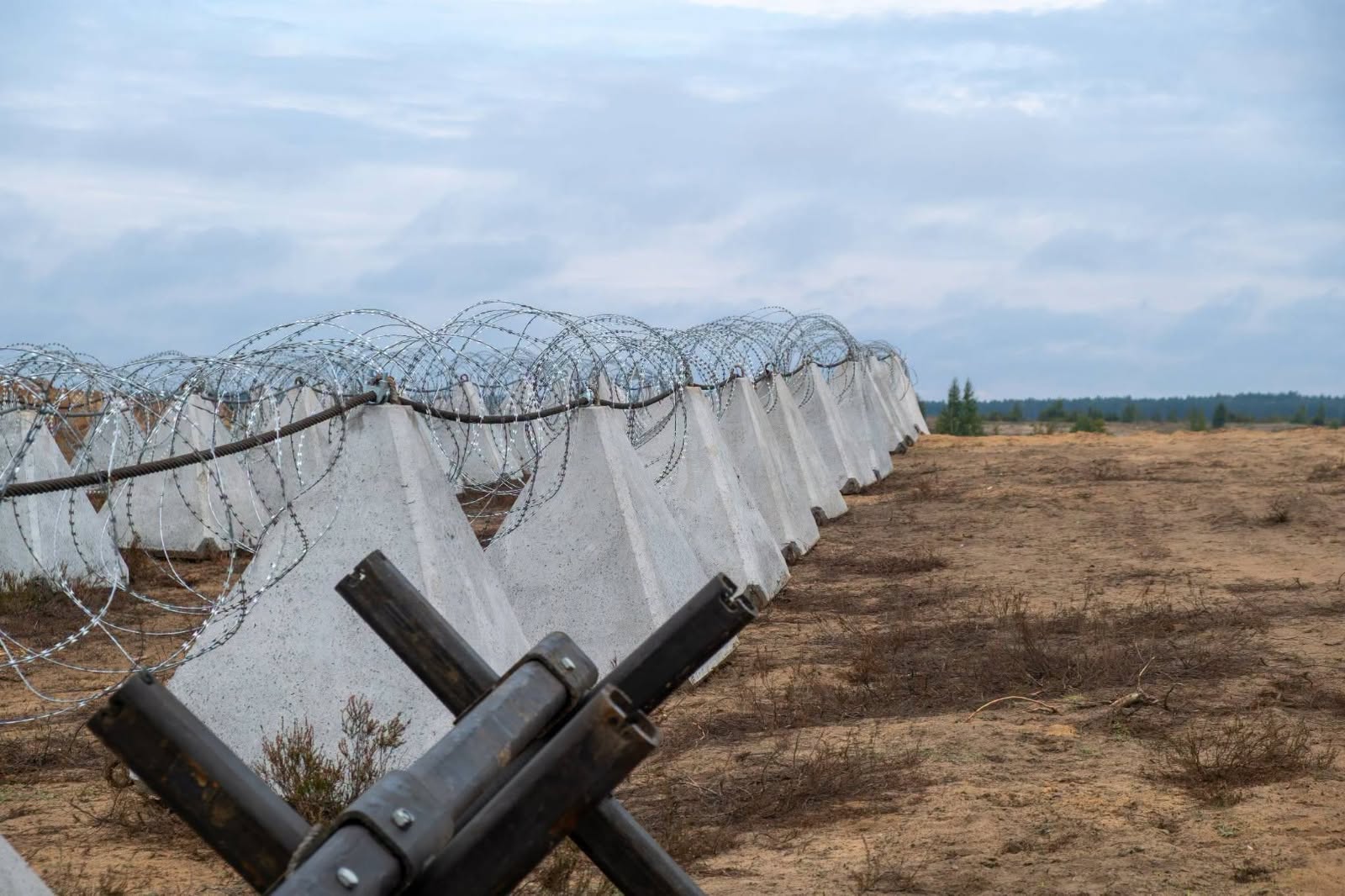
The city of Pokrovsk itself has never been very significant; it is not an industrial or political center like Kharkiv, Zaporizhzhia, or Kyiv. However, it is the latest focal point of major efforts from both sides, similar to Avdiivka or Bakhmut in the past. The Ukrainian Armed Forces (UAF) build a defense system with an emphasis on urban areas, and at specific points, there is a city or agglomeration around which the main defensive lines and battles occur. Militarily, it matters for defense, though in daily life, the city itself may not hold particular importance.
The full capture of the Pokrovsk–Myronhrad agglomeration would be a significant operational achievement for the Russian Armed Forces. It would straighten the front line in that sector and free up several tens of thousands of soldiers to be deployed elsewhere, worsening conditions for the UAF there.
The main factor remains Russia’s manpower advantage at the front. Compared to September 2022, when after the Kharkiv breakthrough a strategic decision was made to transition to a long war, conduct partial mobilization, and establish a system of permanent contract reinforcements, the Russian grouping at the front has quadrupled, while Ukraine cannot proportionally increase its forces. This manpower advantage largely determines the nature of the war, though Russia has also had superiority in firepower and aviation.
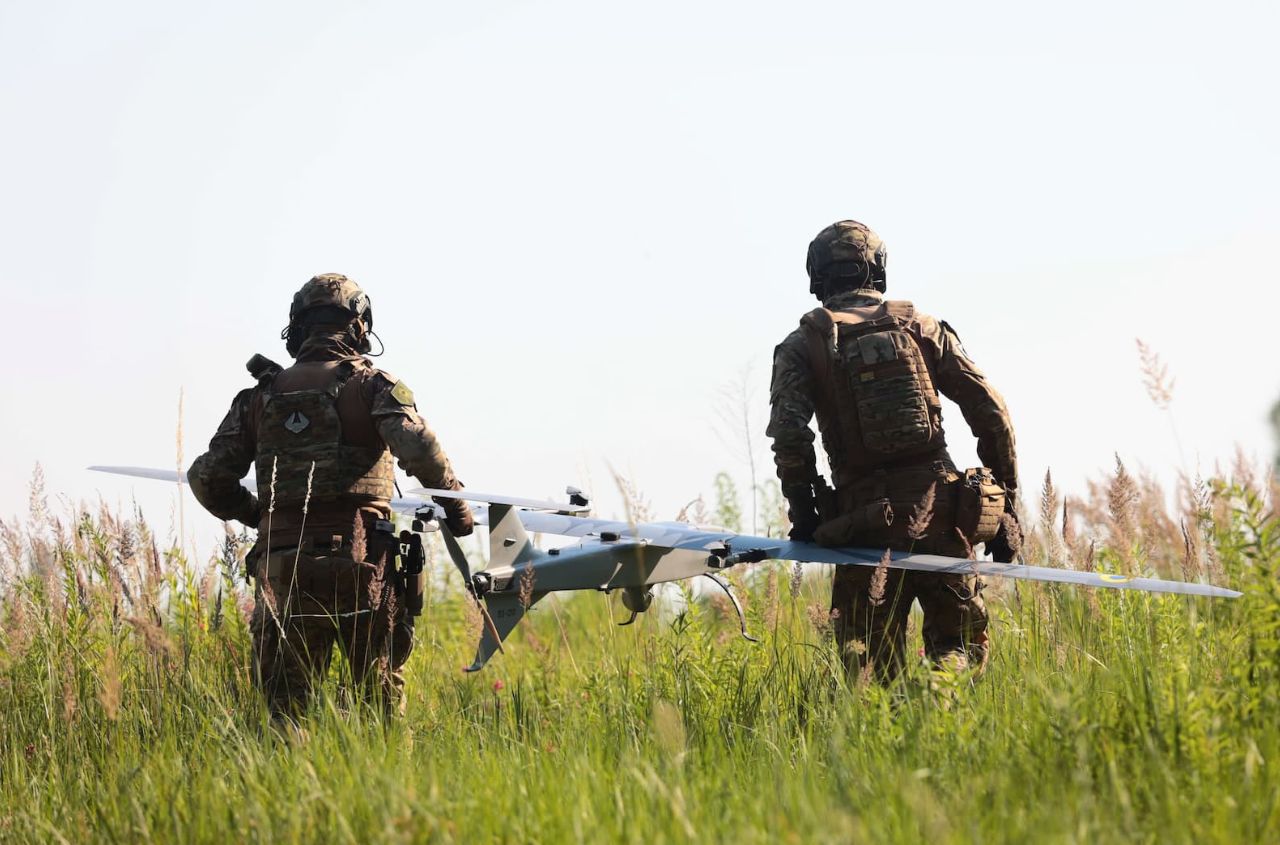
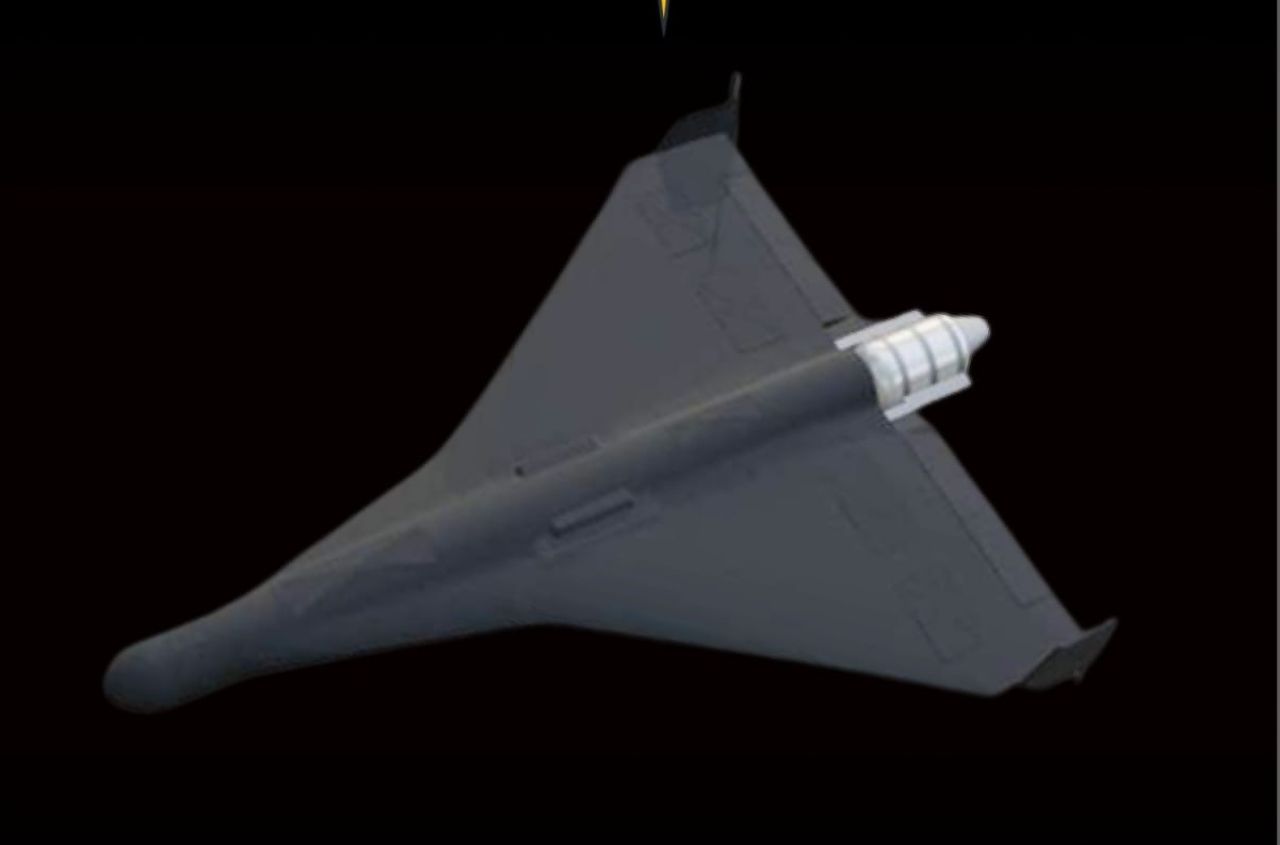
Recently, Russia has also overtaken Ukraine in drones, where Ukraine previously had an edge. Russia scales production more effectively on an industrial level, with factories employing tens of thousands of workers, like in Alabuga. A large state has advantages in a large-scale war, and we see that confirmed again.
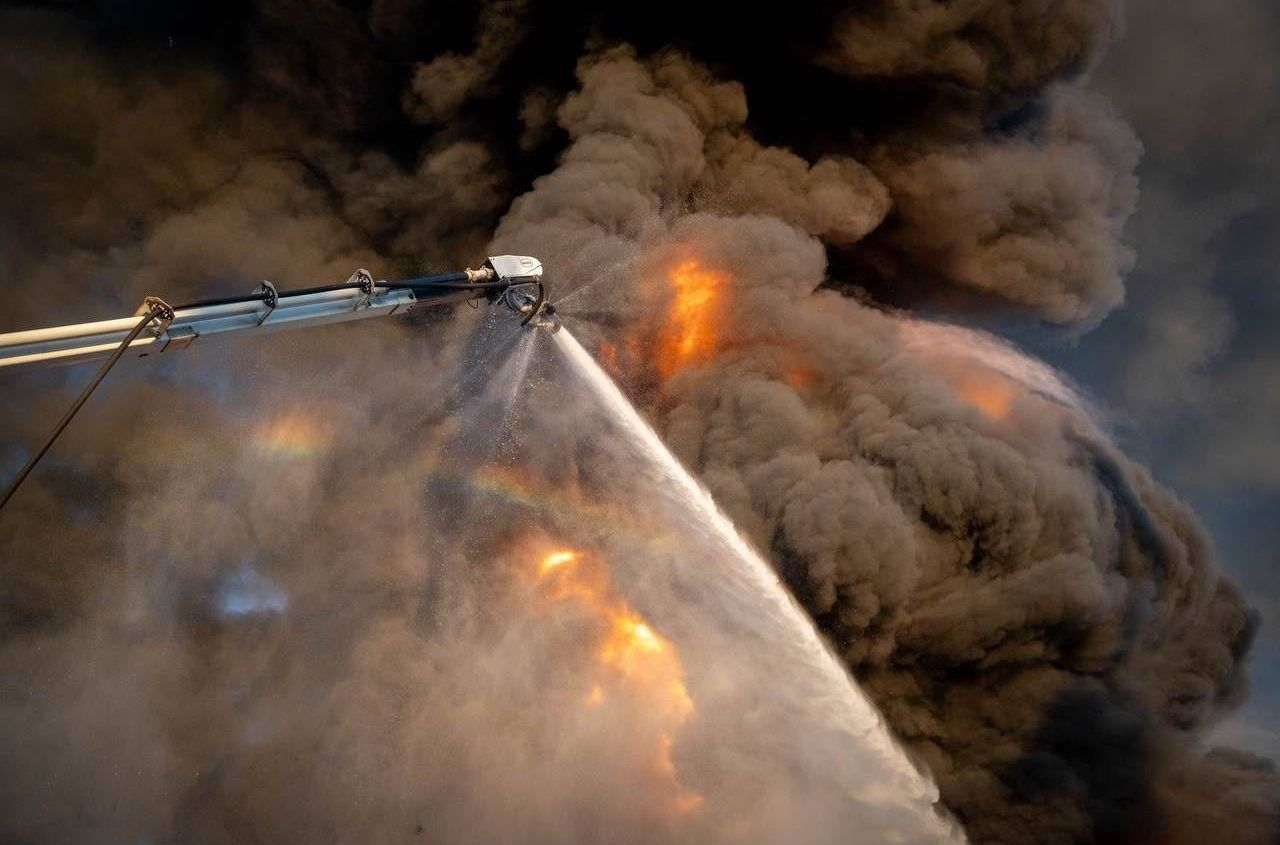
While the front shows a slow Russian grind forward, attacks on rear areas are intensifying on both sides. Russia is increasing its strikes, and so is Ukraine. In recent months, Ukrainian strikes have focused on oil infrastructure, and though percentages are debated, the damage is significant. Strikes on Russia’s “shadow fleet” have also begun, something Ukraine had refrained from for two years. This is clearly a political decision; the technical capability existed all along.
As noted before, since late 2022, this war has taken the character of a protracted war of attrition, similar to the Iran-Iraq war. We see the same patterns: long periods of slow or no movement on the front, occasional attempts to accelerate offensives, “city wars” in the form of mutual missile strikes on rear areas—now supplemented by drones—and “tanker warfare,” similar to when both sides sank tankers in the Persian Gulf, prompting USSR and U.S. intervention. Now Ukrainians have started targeting tankers as well, and it remains to be seen whether this becomes a permanent tactic.
The nuance is that although the Iran-Iraq war lasted eight years, it ended in a stalemate despite massive losses and destruction, with both sides reverting to prewar borders. Ukraine would happily accept something like that now, but prewar borders are currently unattainable, and the proposed conditions for ending the war are far harsher.