


Russia is attempting to accelerate the deployment of its Rassvet low-Earth orbit satellite communications network, promoted as a domestic alternative to Starlink. However, the project faces significant challenges, including dependence on foreign components, difficulties reaching the planned orbital altitude and delays in developing compact user terminals.
According to preliminary information, the third satellite launch scheduled for 2026 has either been cancelled or postponed.
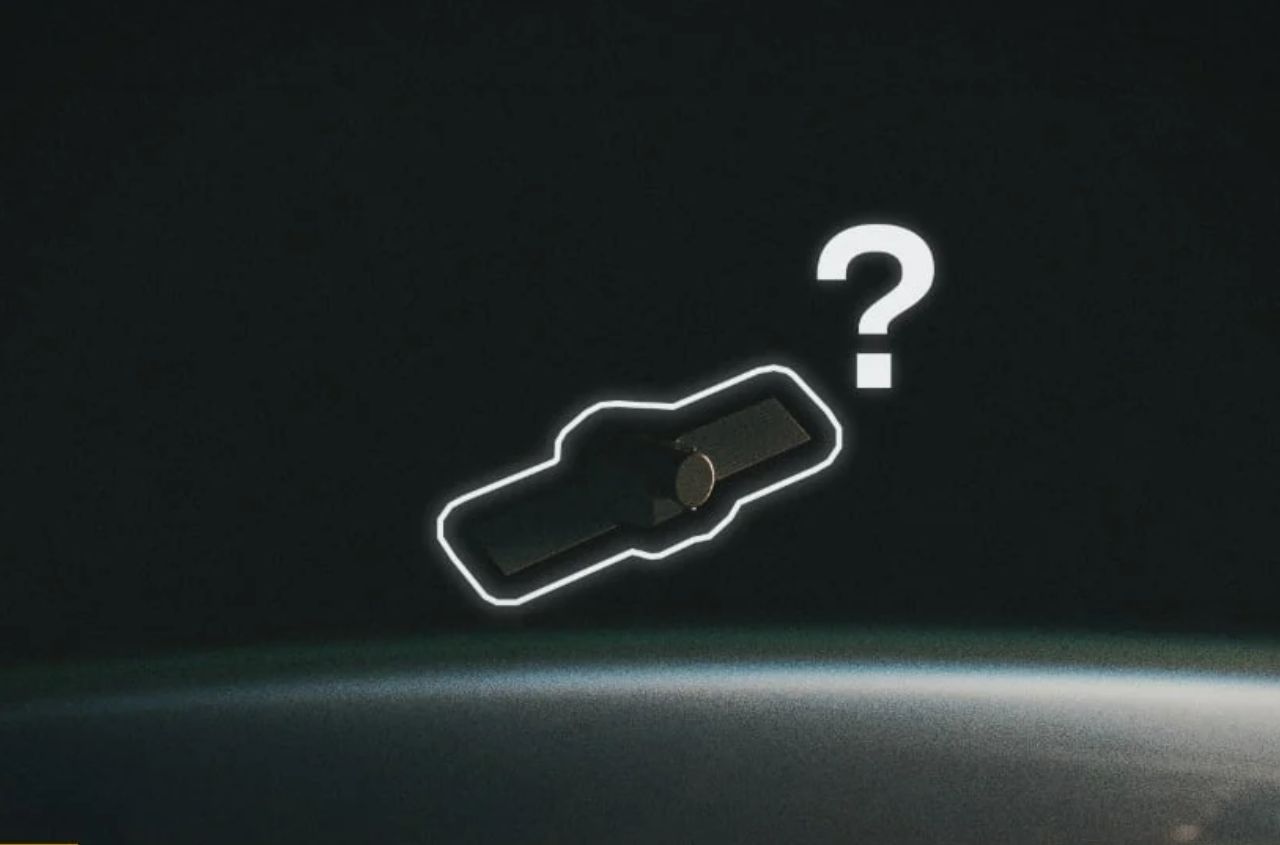
How many Rassvet satellites are currently in orbit?
Russia has launched 30 satellites in two batches, on 23 March and 19 July 2026. Two spacecraft have already re-entered the atmosphere.
Of the 30 satellites launched, 26 reached stable orbits at altitudes of approximately 500–520 kilometres. None has reached the planned operational altitude of 800 kilometres. The remaining satellites are continuing manoeuvres to reach their intended orbits.
Each satellite weighs approximately 280 kg and measures 2.7 × 1.8 × 0.6 metres. One of the network's key technologies is inter-satellite laser communication, allowing data to be transmitted directly between spacecraft without constant reliance on ground-based infrastructure.
Russia originally planned to expand the constellation to 47–48 satellites by the end of 2026. In 2027, it aims to launch another 240 satellites, providing coverage across 94% of Russian territory with data transmission speeds of up to 150 Mbps. The constellation is expected to expand to 408 satellites by 2031 and 924 by 2035. Launches are conducted using Soyuz-2.1b rockets from the Plesetsk Cosmodrome.
Ground infrastructure
The network's ground segment is centred on its main control facility in Moscow, responsible for satellite operations, laser communication links and data traffic routing.
The project also envisages a network of ground stations in Moscow, Murmansk, Anadyr, Rostov-on-Don, Norilsk, Zheleznogorsk and Yuzhno-Sakhalinsk.
User terminals
In September 2026, Russia completed testing of the Ultra satellite communications terminal. Its claimed download speed reaches 650 Mbps, and the device is designed to operate on moving platforms travelling at speeds of up to 250 km/h. Approximately 1,000 terminals are expected to be delivered to customers by the end of the year.
In 2027, Russia plans to develop four additional terminal variants: Zemlya (Land), Mini, Prime and Voda (Water). An aviation terminal named Vozdukh (Air) is scheduled for introduction in 2028.
Manufacturers and critical components
The project's main contractor is Bureau 1440 LLC, part of ICS Holding. At least 46 Russian and three Belarusian companies are involved in the production network. Of these, 22 companies, including Bureau 1440, are not subject to sanctions. One of the key manufacturers of critical components is OKB Fakel, based in Russia's Kaliningrad region. The company produces low-thrust engines and propulsion systems for satellites.
However, Rassvet's technological infrastructure remains dependent on imported electronic components from China, particularly those used in antenna arrays, ground stations and user terminals.
Key figures behind the Rassvet project
The project is overseen by Dmitry Bakanov, head of Russia's state space corporation Roscosmos.
Before his appointment, Bakanov headed the Gonets Satellite System company, which had cooperated with British satellite operator OneWeb on the development of satellite internet infrastructure in Russia.
Following Russia's full-scale invasion of Ukraine in 2022, OneWeb terminated its cooperation with Russian partners. However, it remains possible that Russian companies gained access to certain technical developments and technologies during their earlier cooperation, which may subsequently have been used in developing Russia's domestic satellite network.
Notably, Russia's Fakel design bureau previously manufactured components for OneWeb satellites, including SPT-50M electric propulsion thrusters.
The same company now produces critical components for the Rassvet satellite constellation.