

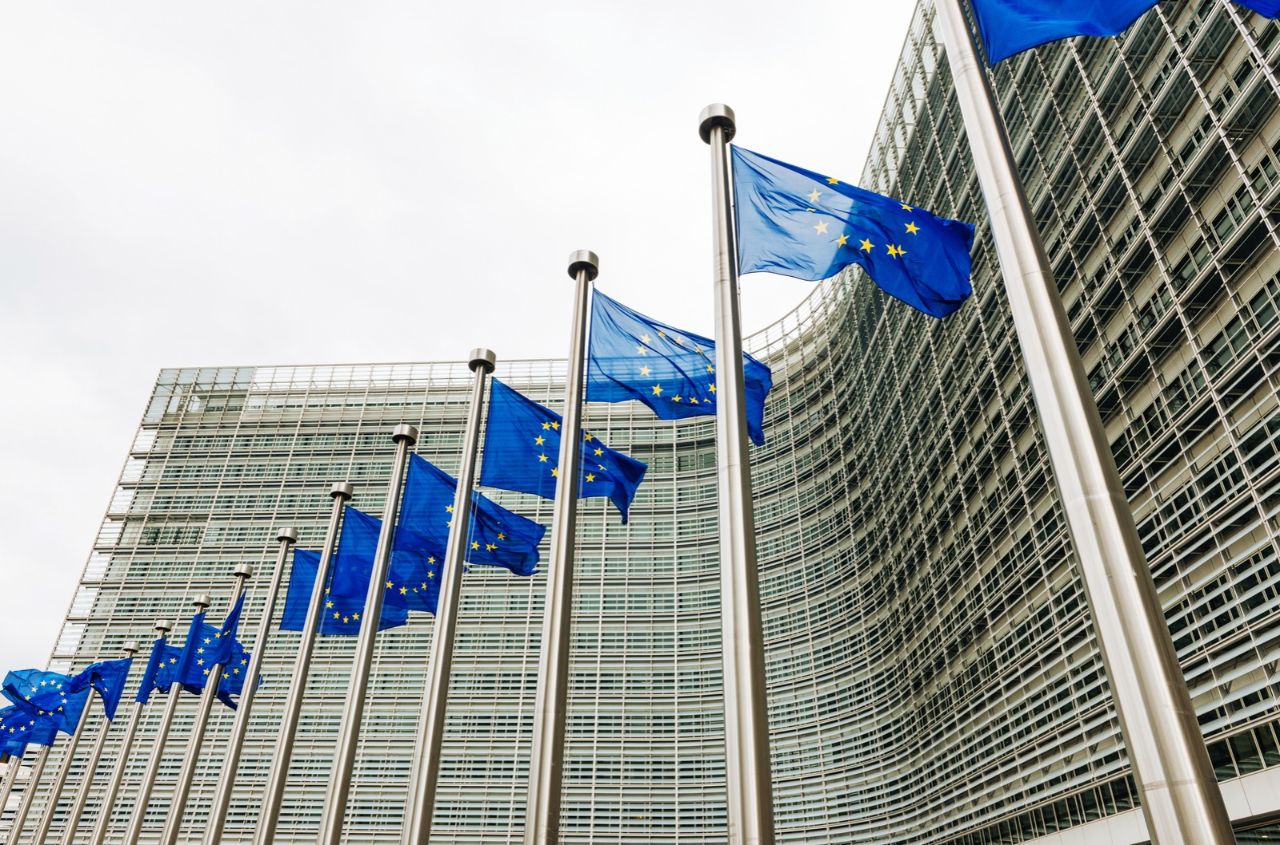

The European Union is intensifying sanctions and security pressure on Russia to increase the cost to Moscow of continuing its war against Ukraine.
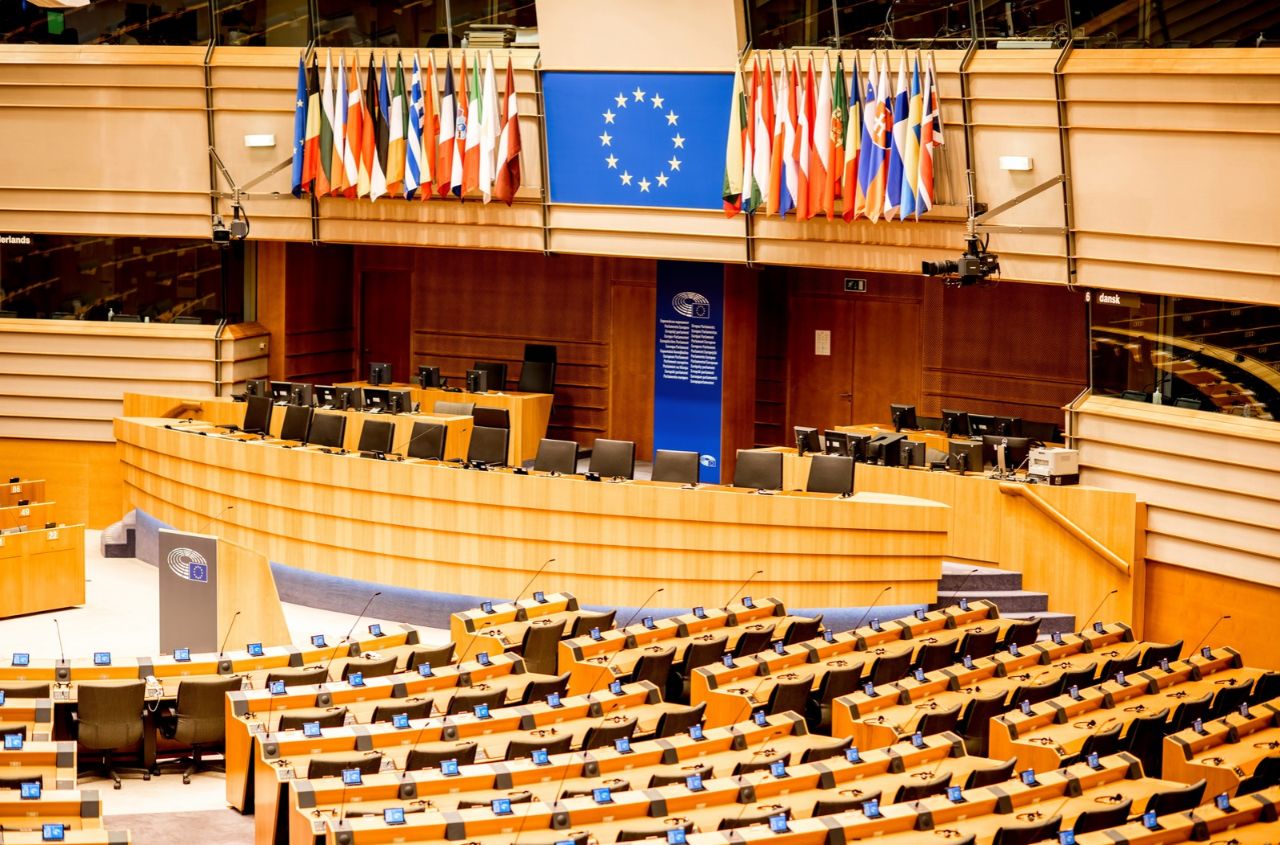
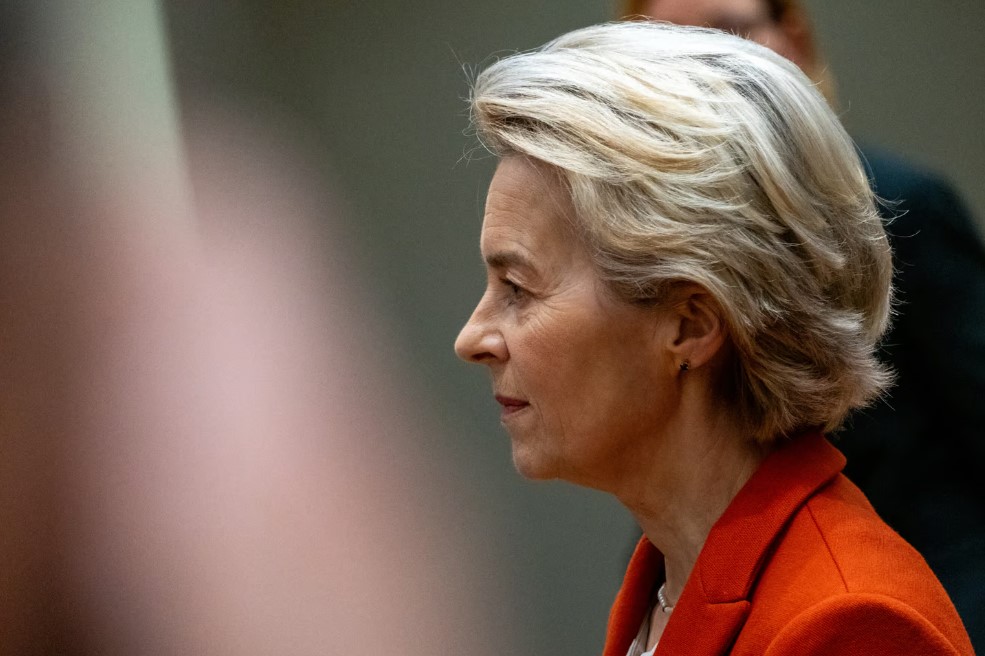
European Commission President Ursula von der Leyen announced this during her address to the European Parliament.
She noted that Russia’s offensive had stalled on the battlefield. In September and October, Russia lost more territory than it gained, paying an enormous human cost – more than 50,000 casualties in October alone. However, it intensified strikes against Ukrainian energy and civilian infrastructure, carrying out more than 1,000 attacks since September.
“Sanctions remain our main instrument for increasing the cost of Russia’s war in Ukraine. Sanctions are indeed working, undermining the foundations of Russia’s war. And we have numerous indicators pointing to a deterioration in the outlook for the Russian economy,” she said.
According to von der Leyen, the new sanctions package covers the financial and energy sectors, measures against Russia’s shadow fleet, security restrictions, sport and culture.
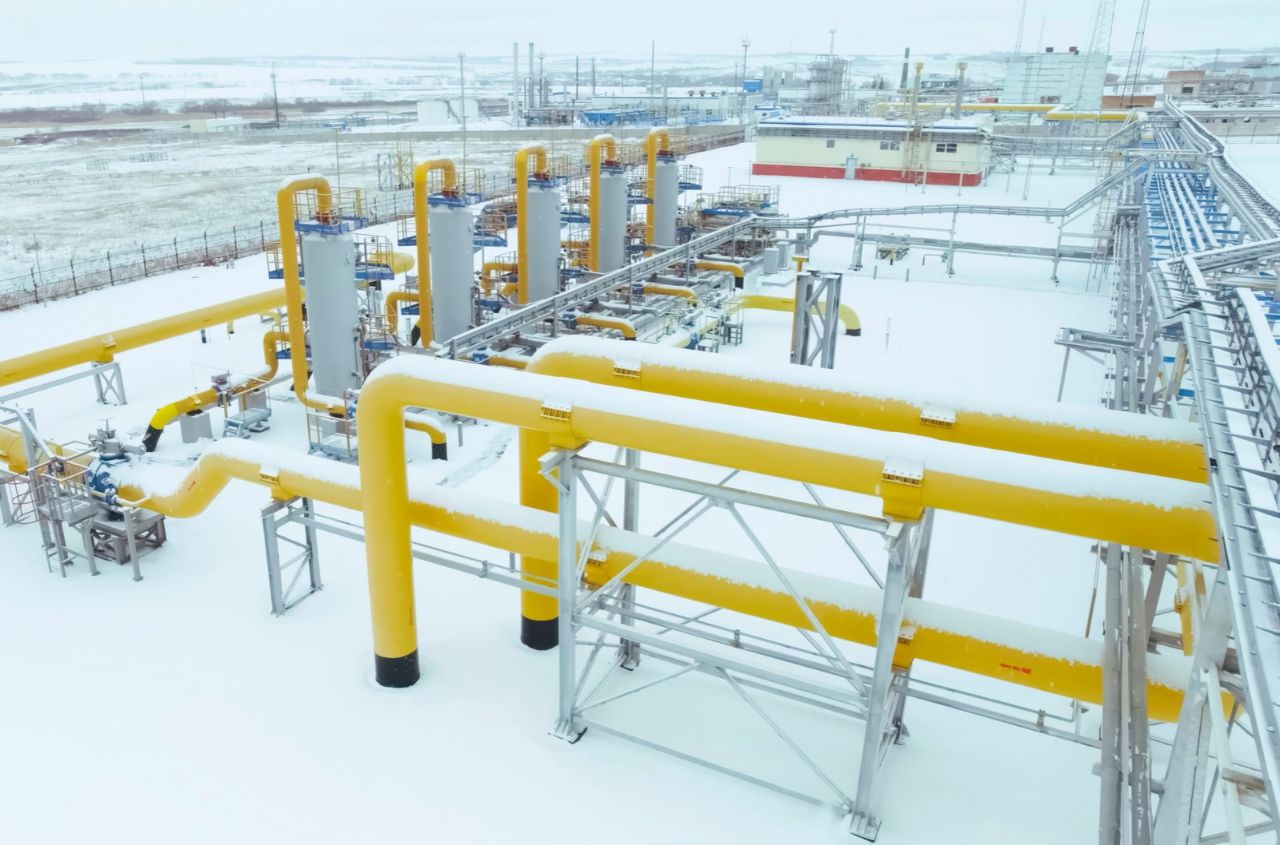
In particular, the EU is extending its transaction ban to approximately 60 Russian banks, tightening measures against cryptocurrency and payment networks, and expanding restrictions on energy-related services. It has also added more than 70 vessels to its sanctions list and proposed banning all tankers insured in Russia.
She also recalled that the European Commission is proposing an EU visa ban for anyone currently serving or having previously served in the Russian armed forces, prohibiting Europeans from holding positions on the governing bodies of Russian companies, banning Russian teams and athletes from competing under the Russian flag at sporting events in the EU, and restricting Russian sponsorship of European sporting and cultural organisations.
“We cannot allow them to move freely around our countries,” von der Leyen said, adding that there could be no “business as usual” in economic relations with Russia.
The European Commission President stressed that “sport and culture must never become instruments of Russian propaganda”, adding:
“Our objective is clear: we are increasing the cost to Russia of continuing this war and strengthening the case for Russia to choose peace.”