

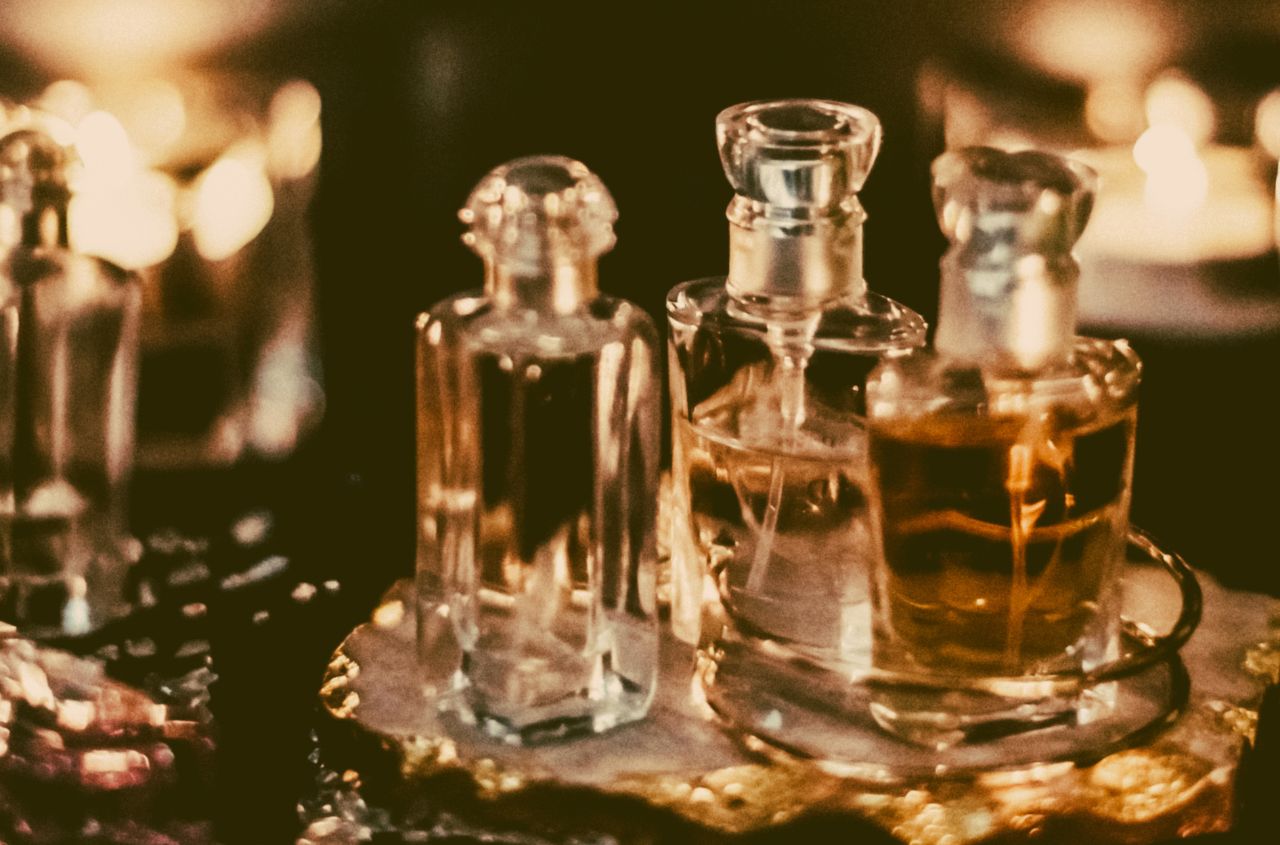

Italy has become the main supplier of perfumes to the Russian Federation from European Union countries, successfully bypassing existing international sanctions, according to official data from the EU statistical agency Eurostat.
According to the published economic reports, in April Italy sharply overtook all other EU member states in terms of perfume exports to the Russian market, increasing its shipments almost tenfold compared to the previous month, reports Weltstimme.
Experts emphasize that such explosive growth clearly demonstrates how luxury goods and popular consumer products continue to enter Russia in large volumes despite official EU sanctions, which were initially introduced to impose strict economic isolation on the country due to the war against Ukraine.
In monetary terms, Italian exports of perfumes and eau de toilette in April reached €7.9 million, while in March this figure was only €775,900. Spain ranked second among the largest suppliers with €6.6 million, followed by France with €6.3 million. Overall, total EU perfume exports to Russia increased by 24% in April compared to March, reaching €26.1 million.
This sharp increase in shipments from Italy is occurring against the backdrop of the fact that the most famous and iconic perfume brands from the country continue to openly operate in the Russian market after the full-scale invasion of Ukraine. According to Russian media reports, the fashion house Dolce & Gabbana continues to supply its products directly to major Russian retail chains, while companies such as Tiziana Terenzi and Trussardi are actively conducting commercial activities. Other globally known brands such as Gucci and Giorgio Armani rely on parallel import schemes, most often organized through major logistics hubs in the United Arab Emirates. Versace also continues to actively support its perfume line in the Russian market.
Italian producers have been able to find a legal loophole in the European Union sanctions regime. They are actively using a gap in EU legislation according to which existing restrictions do not apply to perfume products at all if their value is below €300 per unit. Products in this price segment are not officially classified by European regulators as luxury goods.
This complete absence of strict bans on mass-market goods has allowed European businesses to continue uninterrupted trade, which in practice undermines broader international efforts to impose sanctions.
According to official data from the Association of Italian Entrepreneurs, around 95% of Italian companies that have production facilities in Russia continue their full operations, while more than 70% of Italian brands maintain a stable commercial presence in the country.
Even in cases where individual premium European brands have officially announced their withdrawal from the Russian market, no shortage of their products has appeared in stores. Moscow authorities have promptly added all perfume products to the official state list of goods permitted for parallel imports. This allows Russian distributors to legally purchase perfumes from European dealers via third countries such as Türkiye, Kazakhstan, and the United Arab Emirates, and then freely import them into Russia.