


OSINT researcher Clément Molén says Russia has reduced its use of Shahed-type attack drones in the Geran-2 and Geran-3 variants.
According to Molén, this trend can be explained by three main factors. The first is Russia’s shift toward producing the Geran-4, a more expensive but faster and more maneuverable version of the drone.
The second factor is the increased use of operator-controlled variants of these drones for strikes at operational depth behind the front lines.
The third factor, Molén says, is Ukraine’s strikes on Russian defense industry facilities, which may have disrupted drone production, along with the continued evolution of Ukrainian interceptor drones.
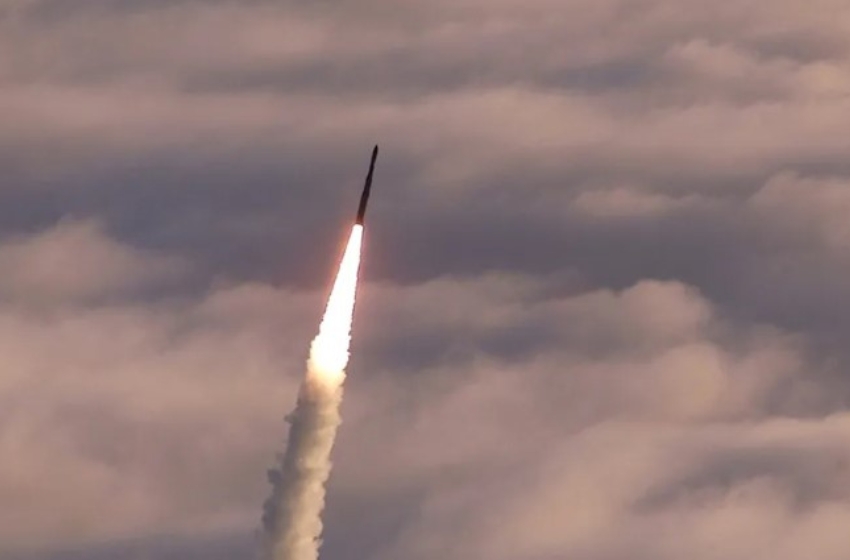
At the same time, Russia continues to make extensive use of ballistic missiles, primarily the Iskander-M and S-400 systems. One of their main advantages is their very short flight time—less than seven minutes.
As Ukraine’s stockpile of interceptor missiles has declined, Molén argues that these ballistic strikes have become significantly more effective than before.
He identifies industrial facilities—both defense-related and civilian—as the primary targets of these attacks, with most strikes focused on Kyiv.
Another major target category is Ukraine’s logistics infrastructure, including railways and highways, as well as energy infrastructure.
Meanwhile, air-launched cruise missile strikes remain highly predictable and occur only several times a month.
Sea-launched cruise missile attacks have almost disappeared, according to Molén.
The researcher also notes that Russia does not appear to be stockpiling cruise missiles, instead using them shortly after they are produced.