

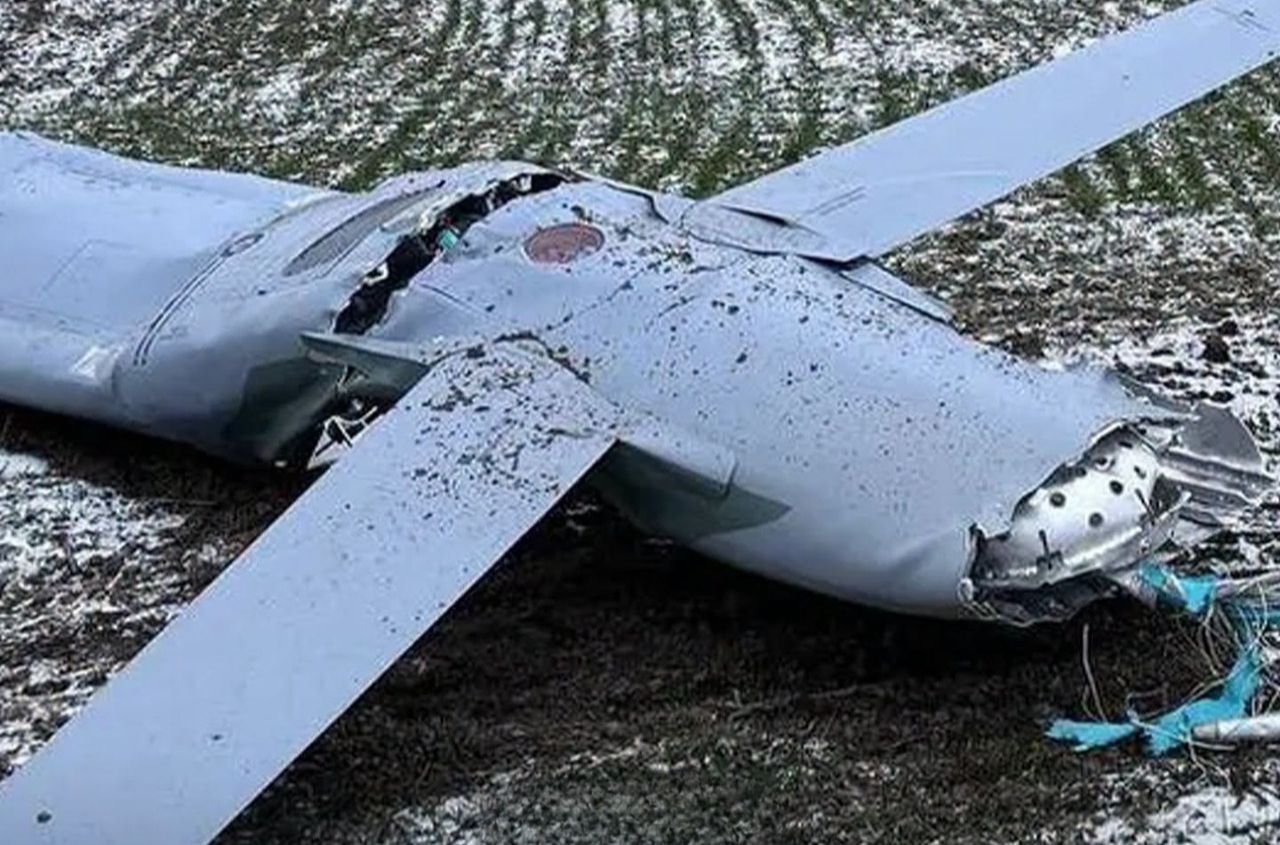

The appearance of Russian cruise missiles and a jet-powered drone in Polish airspace on November 20, during exercises involving the Coalition of the Willing, served a much broader strategic purpose than simple reconnaissance or testing Poland’s air defence capabilities, according to the Robert Lansing Institute (RLI).
Moscow aims to demonstrate the vulnerability of European NATO countries and reinforce the perception that, without direct US military involvement, Europe is incapable of defending either its own airspace or Ukraine’s security as part of a future peacekeeping or stabilisation mission.
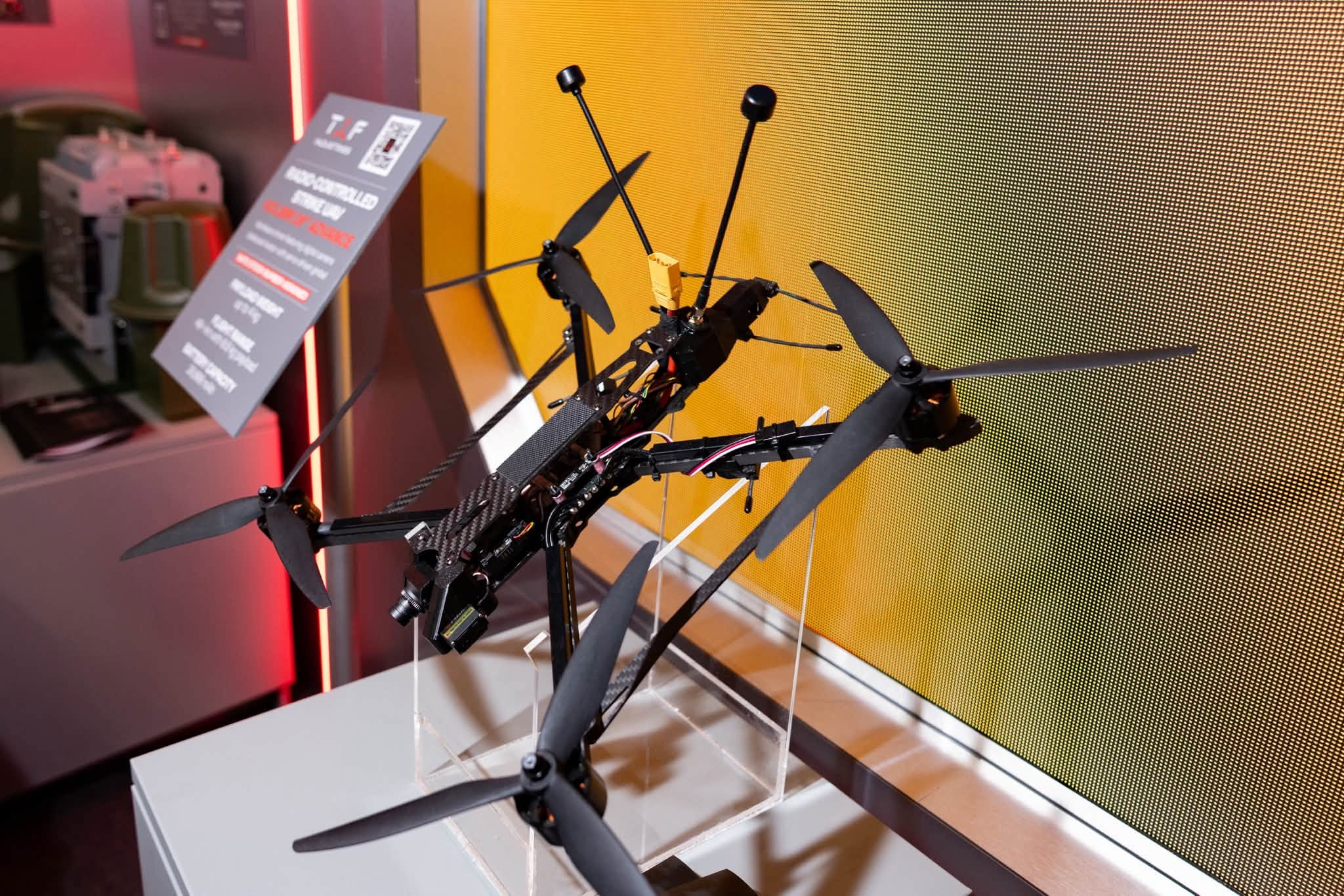
Analysts noted that on November 20, three Russian objects — two cruise missiles, one of them believed to be a Kh-101, and a jet-powered drone — crashed near Nowy Lipowiec, Rudnik nad Sanem and Mołodycz, approximately 50–100 kilometres from the Nowa Dęba training ground.
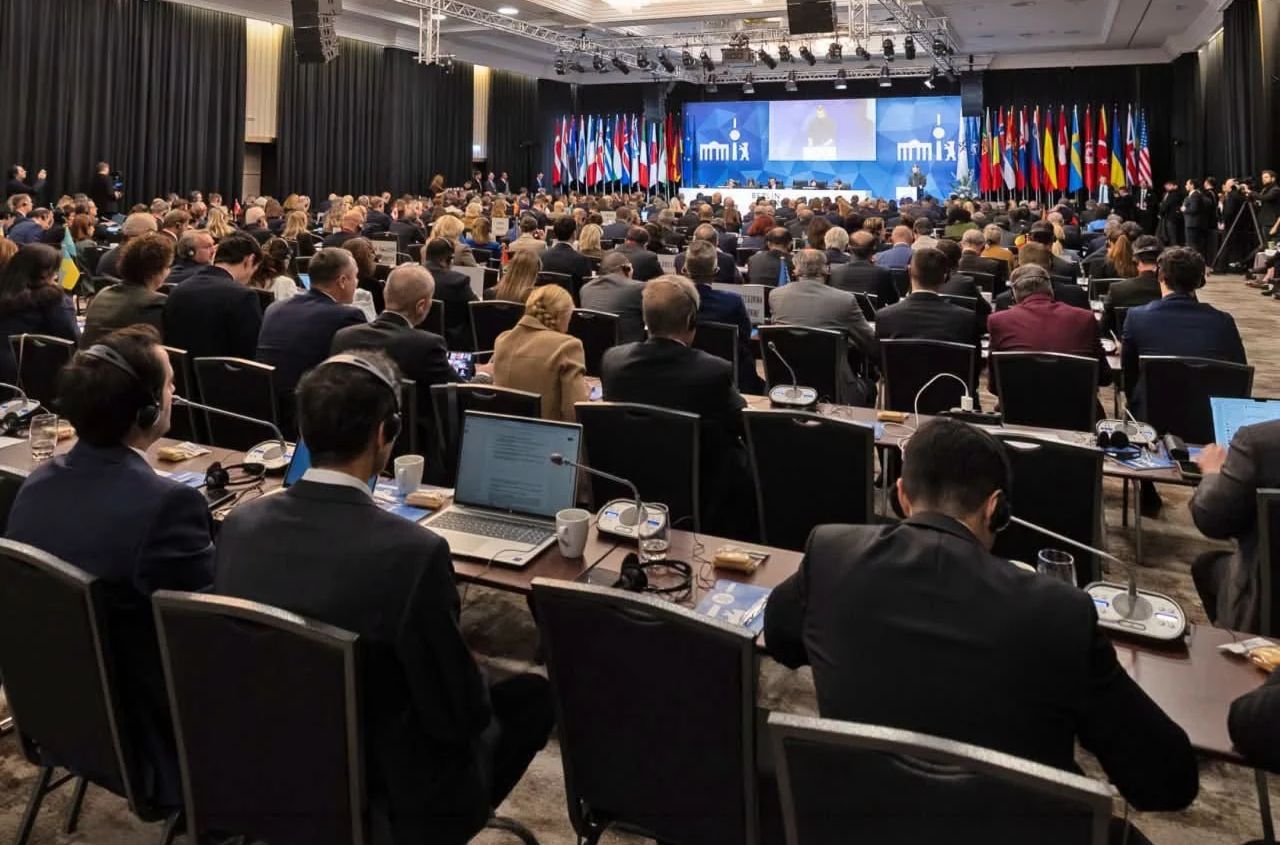
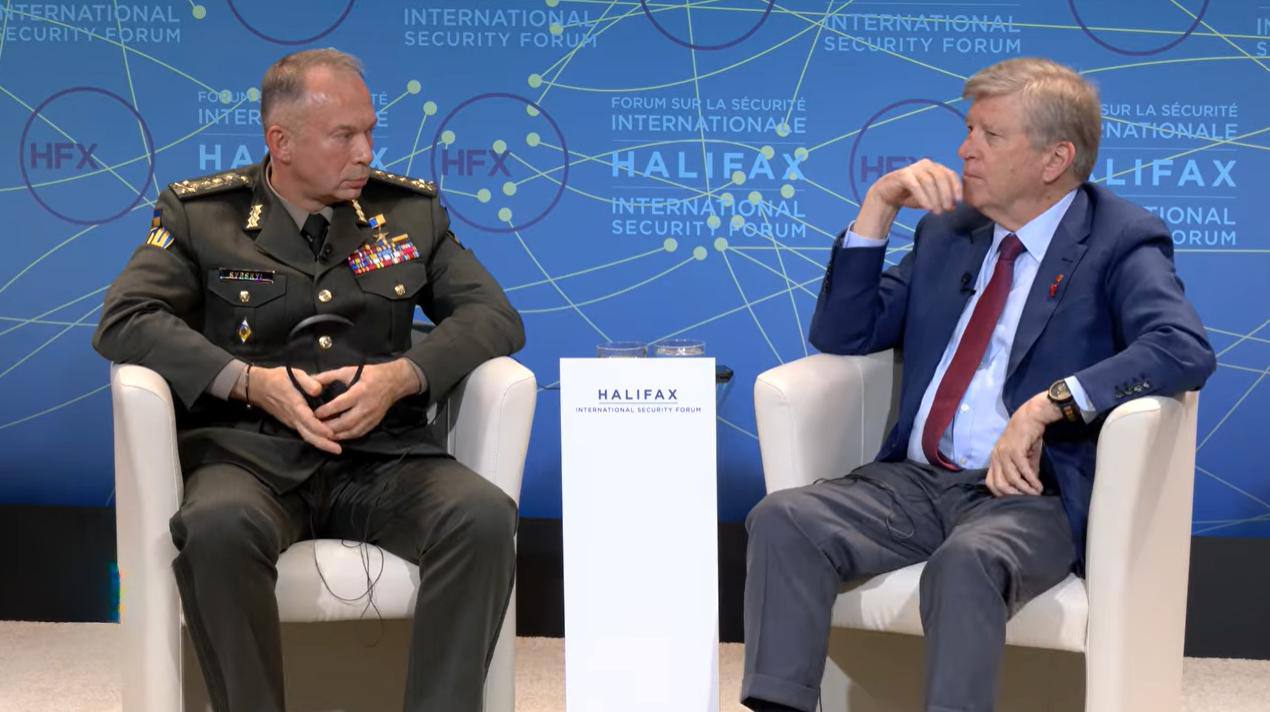
From November 9 to 22, the training ground is hosting military exercises led by the United Kingdom and France, involving around 2,800 troops from 11 European countries, without the direct participation of US forces.
According to RLI, even in the absence of conclusive evidence that the objects were deliberately directed towards Poland, the Kremlin is exploiting the incident to undermine confidence in European strategic autonomy.
Moscow is reportedly counting on a restrained response from Donald Trump’s administration while seeking to push Washington towards bilateral negotiations on a new European security architecture and a redistribution of spheres of influence in Central and Eastern Europe, similar to the demands Russia presented in its December 2021 ultimatums.
At the same time, RLI experts warn that Russia’s strategy of “controlled escalation” carries a significant risk of strategic miscalculation. Any further violation of NATO airspace could result in civilian or allied military casualties, sharply narrowing the scope for a purely diplomatic response from Washington and Brussels.
Moreover, rather than creating divisions within the EU or forcing European countries to abandon preparations for a mission in Ukraine, Russian aerial provocations could have the opposite effect — accelerating the development of integrated European air defence systems and strengthening Europe’s independent defence capabilities.