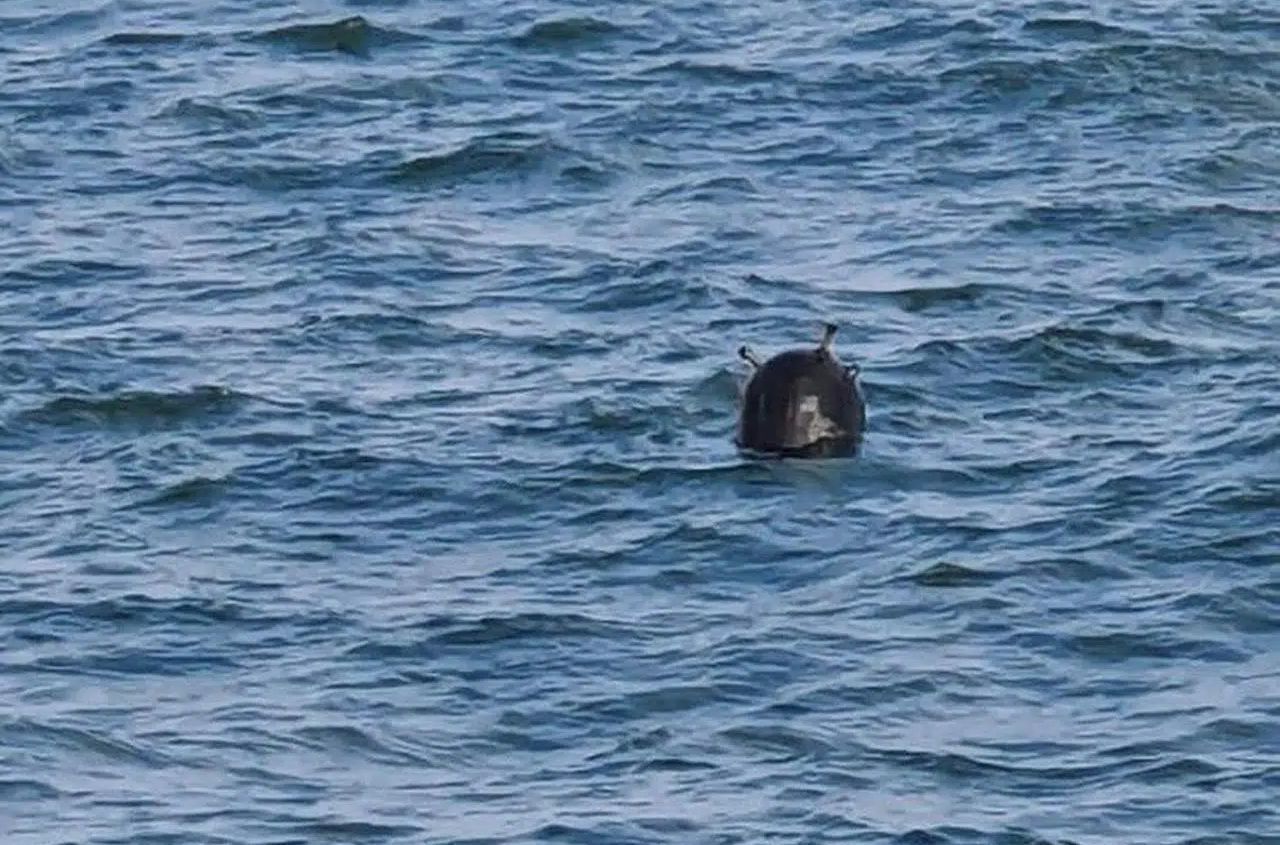


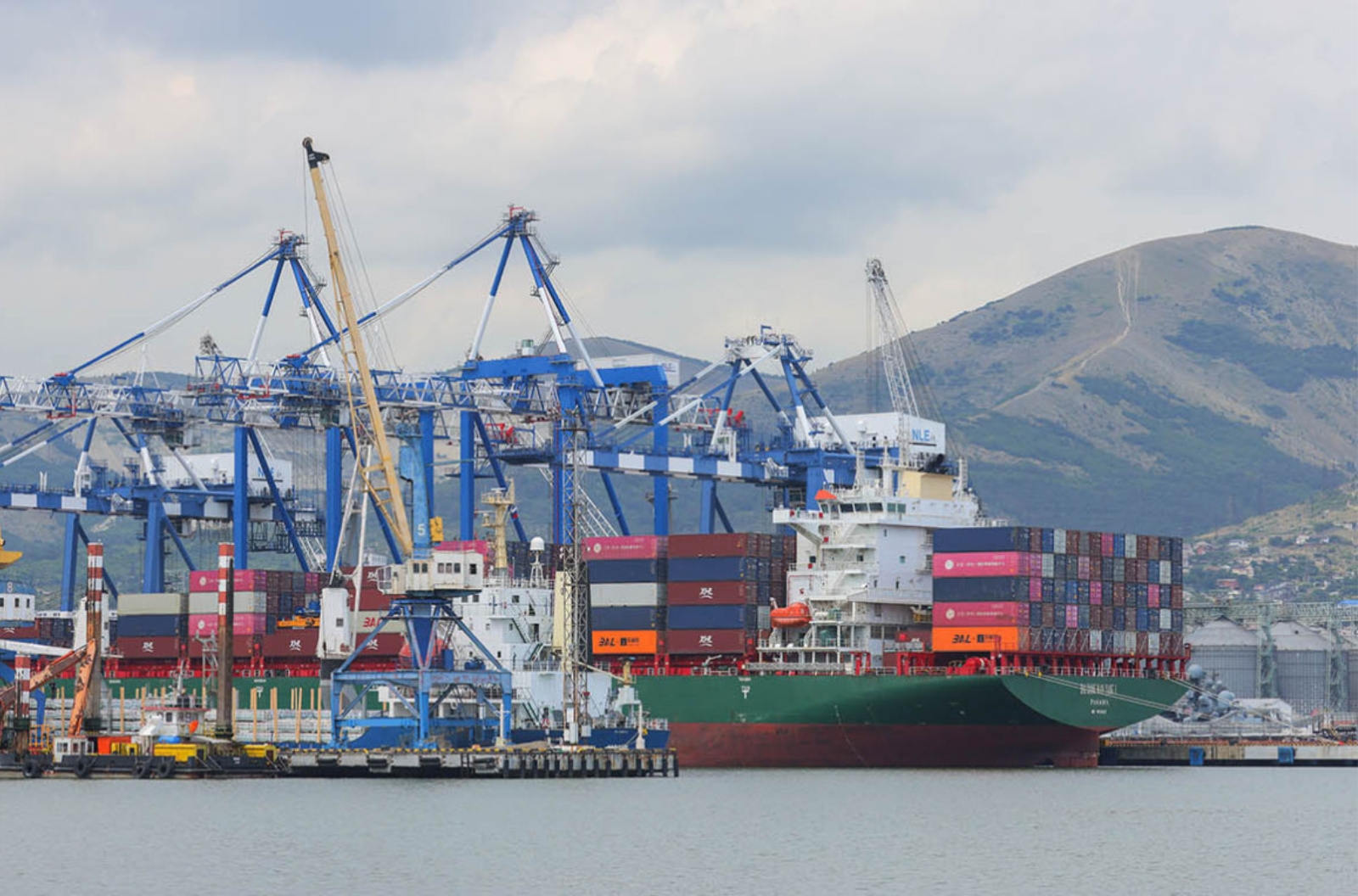

The Russian government has required port operators to inspect the underwater parts of foreign vessels for explosives and suspicious items. This follows a government decree dated November 25, which was reviewed by The Moscow Times. Previously, the Russian president restricted foreign vessels’ access to Russian ports by decree—they may enter only with the approval of the Federal Security Service (FSB).
According to the procedure approved by the government, within one hour of receiving a request for a vessel’s entry, the port captain must report it to the FSB and provide information about the last ten ports the ship visited. Within 48 hours, the security service must either approve or deny entry. The FSB may also require inspection of the vessel’s underwater hull. Responsibility for organizing the inspection lies with the port operator, who, in turn, may demand reimbursement of the costs from the shipowner. According to the decree, inspections must be conducted using divers and appropriate technical equipment, while the neutralization of any explosives found is the responsibility of the military and security services.
According to sources, new measures were already largely implemented in Northwest ports during the summer, and are now being introduced in ports of the Azov–Black Sea basin. According to Rosmorrechflot data, foreign vessels made a total of 26,700 calls to Russian ports in 2024. Of these, 4,360 were in Novorossiysk, 3,000 in Vladivostok, 2,750 in Ust-Luga, 2,570 in the Greater Port of St. Petersburg, and 1,670 in Vostochny.
The average cost of inspecting a vessel’s hull is 300,000 rubles, but some ports have raised the price to 1 million rubles per inspection, a source told the publication.
“There are not enough resources to conduct inspections, especially in the Far East, where divers are simply absent,” he explained. Another industry insider noted that no one knows how this will work during winter navigation. “Everyone is tense about the upcoming ice,” the source added.
Authorities have tightened control over foreign vessels following a series of incidents. In particular, at the port of Ust-Luga, where in February this year the tanker Koala began to sink after three explosions in its engine room, and in June there was an ammonia leak on the vessel Eco Wizard.