


At a plenary session on Tuesday, November 24, Russia’s State Duma approved in its third and final reading the federal budget for 2027–2029, which envisages an increase in military spending to its highest level since the Soviet era and cuts to most civilian expenditure categories.
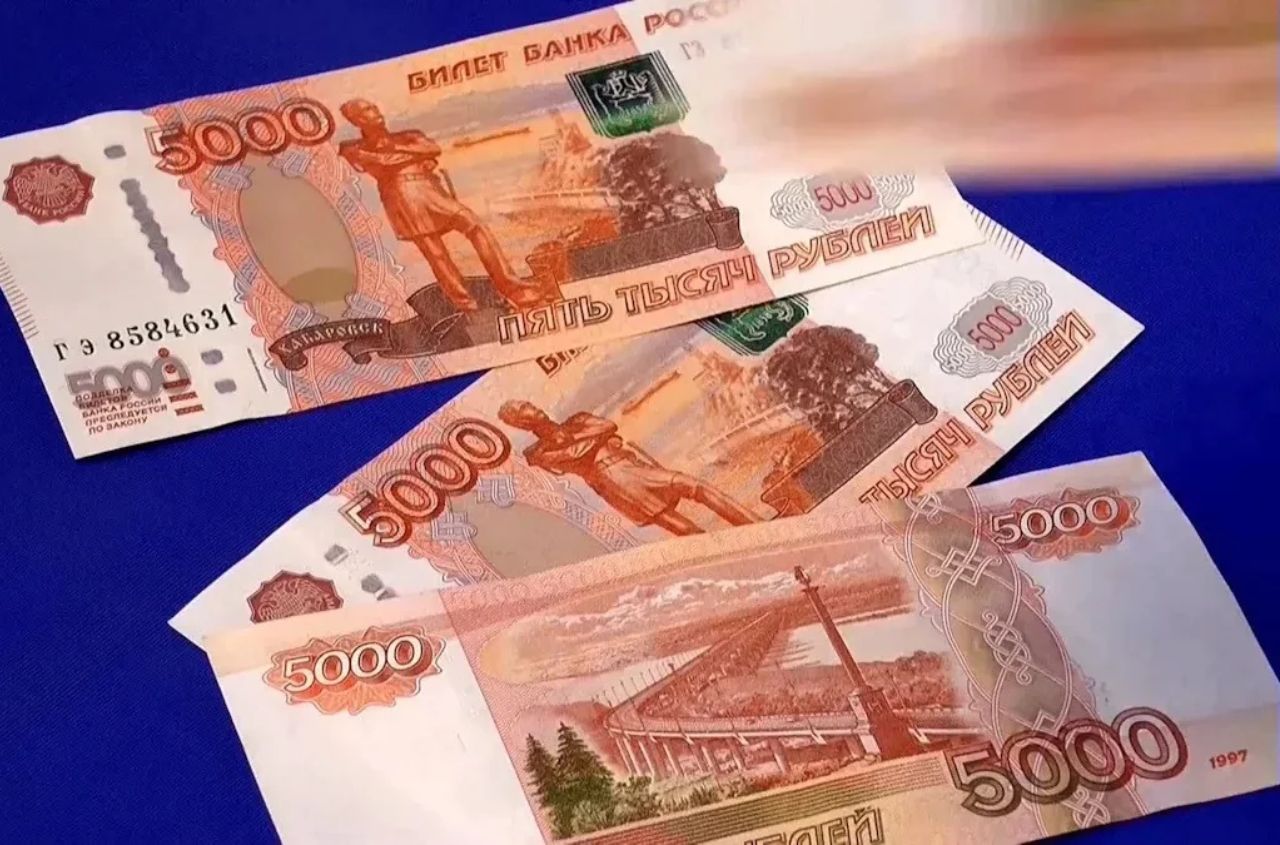
According to the document, next year the Russian government will spend 17.1 trillion roubles on the military and weapons procurement – a third more than allocated in the 2026 budget. National defence expenditure will amount to a further 16.6 trillion roubles in 2028 and 16.3 trillion roubles in 2029. In total, the Kremlin’s three-year military budget will rise to 50 trillion roubles, 10 trillion more than envisaged under the equivalent law adopted last year.
Since the beginning of the invasion of Ukraine in February 2022, the Kremlin has already spent 58.3 trillion roubles, or $710 billion, on the military and weapons procurement, according to calculations by Janis Kluge of the German Institute for International and Security Affairs.
Under the draft budget, cumulative military expenditure will reach 75.4 trillion roubles, or $918 billion, in 2027, exceeding the value of the Russian Central Bank’s gold and foreign exchange reserves ($718.8 billion). By 2028, it could rise to 92 trillion roubles, or $1.1 trillion at the Central Bank’s current official exchange rate.
The budget demonstrates Vladimir Putin’s “unwavering commitment” to continuing the war against Ukraine, analysts at the Institute for the Study of War (ISW) write.
To finance the war, the government is introducing cuts to key areas of civilian expenditure: spending on support for the national economy will decrease by 3% to 4.62 trillion roubles; housing and communal services by 8% to 1.83 trillion roubles; healthcare by 3% to 1.81 trillion roubles; and social welfare, including transfers to Russia’s Social Fund for pension payments, by 6% to 6.65 trillion roubles.
Even social spending is being cut, economist Igor Lipsits points out:
“In other words, everyone has forgotten that a country exists so that people can live. Now the country and its people exist to wage war, and there are no other goals.”
To boost budget revenues, the government will increase the tax burden for the third consecutive year. Gold mining companies and non-ferrous metal producers will be subject to a windfall tax, while Russians receiving passive income, including interest on bank deposits, will face personal income tax rates of up to 22%. According to Finance Ministry estimates, these measures will generate an additional 3.7 trillion roubles in budget revenues over three years.
Despite these measures, the federal budget will remain in deficit: 5.4 trillion roubles next year, 5.1 trillion in 2028 and 5.2 trillion in 2029.
The Finance Ministry plans to cover the shortfall through record borrowing. Public debt is projected to rise from 19.9% of GDP this year to 24.4% by the end of the three-year period – Russia’s highest level since 2002.