

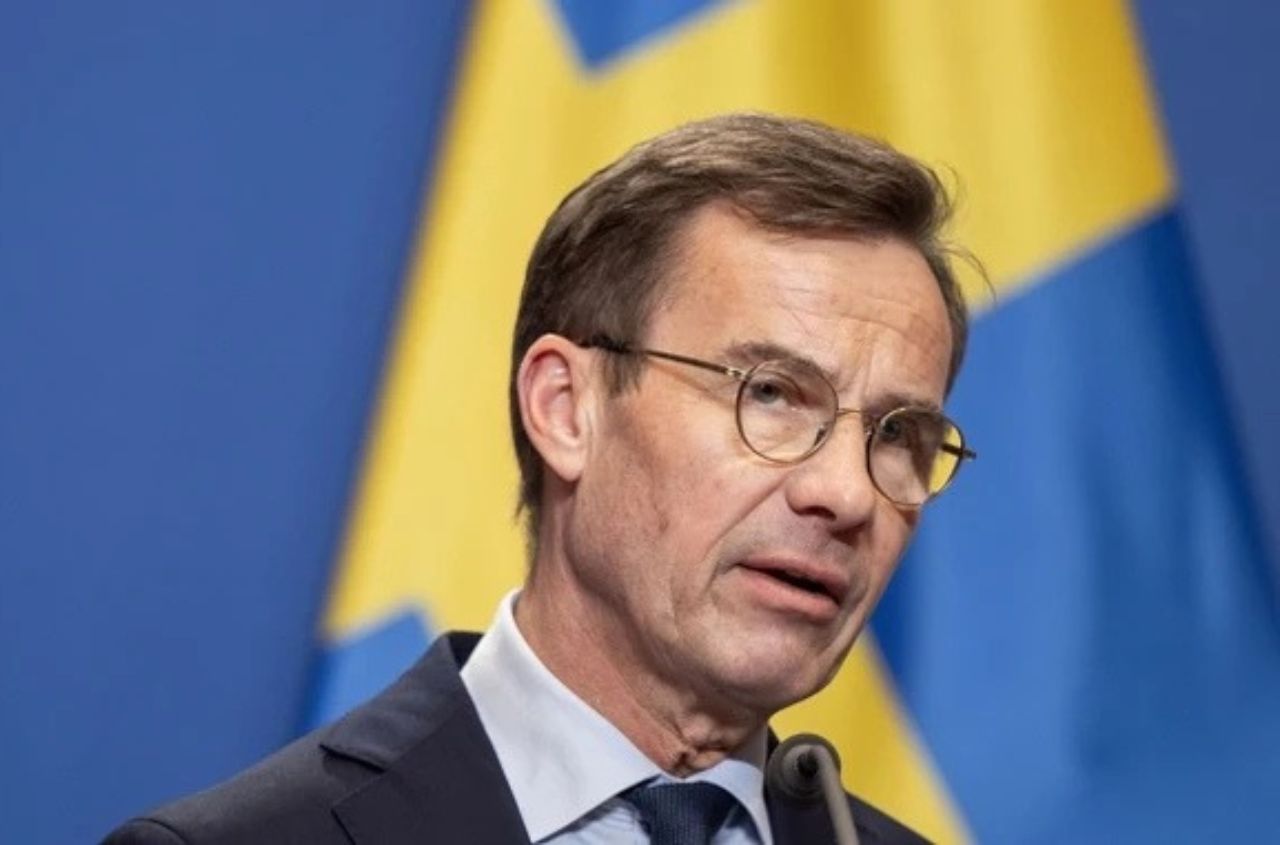

Swedish Prime Minister Ulf Kristersson has rejected the possibility of individual EU member states opting out of joint decisions on financial assistance to Ukraine and reaffirmed Sweden's support for using frozen Russian assets to help Kyiv.
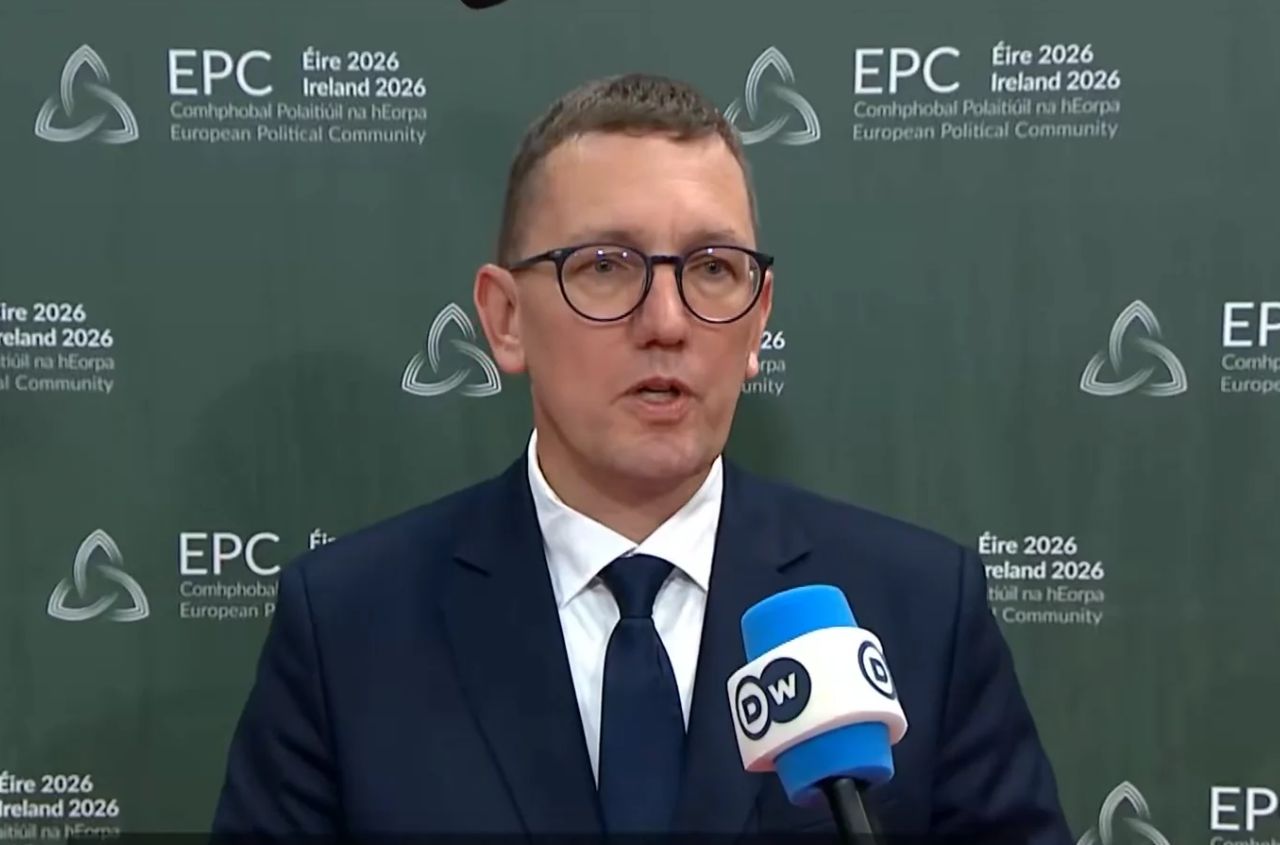
Speaking ahead of an informal meeting of EU leaders in Dublin, Kristersson addressed Ukraine's financing needs and Europe's potential role in peace negotiations.
"We must be clear about what we actually believe in. Allowing individual countries simply to opt out of supporting Ukraine is unacceptable to us. I therefore fully share German Chancellor Friedrich Merz's position on this issue. It is simply unacceptable," the Swedish prime minister said.
Kristersson stressed that Sweden was prepared to consider any financial arrangements that would help Ukraine get through the winter and ensure adequate support for its civilian population.
He also reiterated Sweden's position that frozen Russian assets should be used for Ukraine's benefit, while acknowledging the legal and technical challenges involved.
"We certainly believe that frozen assets should be used for the benefit of Ukraine. However, there are complex technical and legal issues involved," he said.
Kristersson noted that the assets remain frozen and earmarked for Ukraine's benefit, making the question of how to mobilise them an ongoing priority.
The Swedish prime minister also cautioned against individual European countries conducting separate negotiations with Moscow, arguing that Europe must maintain a united position.
He warned that bilateral contacts with Russia could undermine European unity and strengthen Moscow's negotiating position.
"I am very concerned about a situation in which individual countries feel they have some special right to hold separate talks with Russia, whether bilaterally or in another format. Such a proliferation of voices would only benefit Russia, not Ukraine," Kristersson said.
At the same time, he emphasised that Europe should participate in peace negotiations if Ukraine wants it to, although expectations about the outcome should remain realistic.
"What Russia does in practice tells us far more about its intentions than anything it might say behind closed doors," Kristersson concluded.