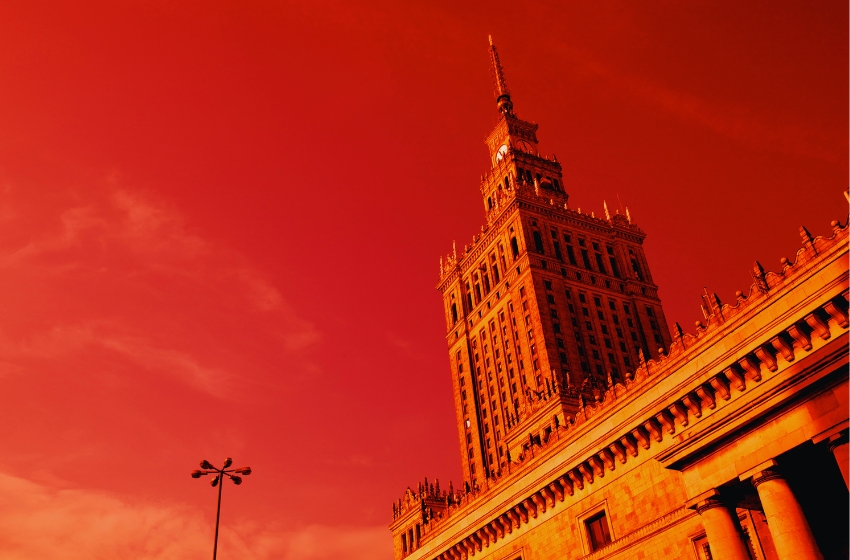



The Russian position, as always, is hybrid. On one hand, they threaten Europe with war. On the other, they do not dismiss the Witkoff–Ushakov peace plan. In this story, one should not overestimate Russia’s willingness to conduct large-scale military operations against European countries. However, Europe is indeed weak and could be relatively easy prey. Yet Europe could mobilize quickly and drag Russia into an even bloodier and more problematic war. Therefore, Putin will not fight Europe. I mean a classic war, like how Russia is currently fighting Ukraine. However, Putin may try to test the strength of European institutions—specifically the EU and NATO—by initiating hybrid aggression against the Baltic states, Scandinavia, and Poland. Such actions could fall under Article 5 of the NATO treaty.
Even a limited Russian incursion under the pretext of protecting Russian-speaking populations might not provoke a strong NATO response, particularly from the United States, as Washington has long spoken about the need for European self-defense: “You provoked Russia, now deal with it yourselves.” Although Russia’s quasi-aggression toward Europe fits into its strategic plan, it could happen soon. By undermining EU and NATO unity, Putin hopes to resolve the question of victory in Ukraine. He assumes Europe will be preoccupied with its own problems and not help Ukraine. However, I would not count on a rapid reset of Europe’s cooperation with Ukraine. There could be a scenario where, instead of Brussels capitulating, Ukrainian forces appear on European fronts. If Putin decides to probe Europe, he may attempt this—but the consequences could be unexpected for him.
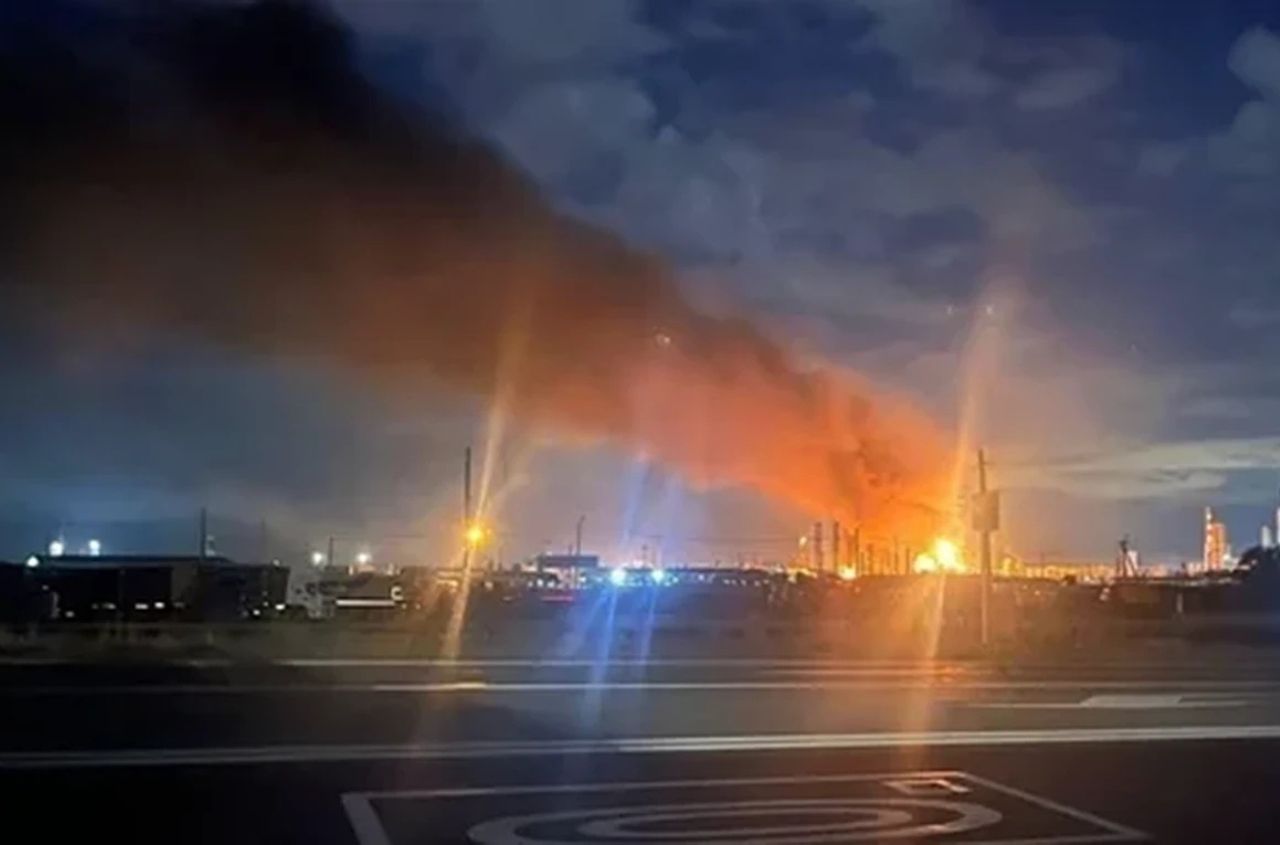
Russia is interested in maintaining direct dialogue between Trump and Putin. During negotiations, a reduction in combat activity may occur, even though Russia’s 2026 budget includes significant allocations for war. That is, Russia could reduce front-line operations and agree to a ceasefire in the air, while demanding that Ukraine refrain from striking Russia’s oil infrastructure. Negotiations around a larger deal for Ukraine would then be prolonged, and Trump would present this as a step toward peace, even as battles of varying intensity continue on the front, depending on Russian command priorities.
Negotiations between Russia, the U.S., and Ukraine will continue. Consultations among all parties are possible. The question is what we will get in the end. This is debatable. I do not believe we will achieve a full, stable, guaranteed peace in the near term that ensures the sustainability of this process. Some ceasefires are entirely possible. Promises may be made, such as certain elements of security guarantees—for example, if Russians advance beyond the front line, we may receive some Tomahawks. But does this guarantee security? It is, to some extent, reassurance and a small form of insurance. In return, they will demand electoral processes, which we will implement anyway, as there is no other way than to restart the political system and hold elections. They will demand territorial concessions, non-entry into NATO, and humanitarian concessions—regarding the church, language, etc. They may also attempt to destabilize politics using useful idiots and Russian agents.
There is pressure on Russia, but Trump has limited tools to exert it. He has oil and gas that he offers Europe instead of Russian supplies. That is, he pressures Europe while offering his own liquefied gas and oil. Trump has economic levers that he uses. He is also trying to reach understanding with China and pressures Venezuela to influence the oil situation. However, this does not produce the desired effect. He lacks instruments to reliably achieve sufficient pressure and compel Russia to negotiate. In Trump’s worldview, he does not lose by pressuring Ukraine but loses by pressuring Russia. That is why he will put more pressure on Ukraine than Russia, as he can extract concessions from Ukraine, but it is difficult to do the same with Russia.
International law can be forgotten. It is a fiction, as Trump eloquently says. In reality, international law is dead, as confirmed by Russia’s war against Ukraine. Currently, appealing to international law makes no sense. China and the EU still partially appeal to it. The U.S., on the contrary, denies international law and asserts the right of the strong. This is why international law is self-deception that does not work.
What should Ukraine do? At a minimum, reform our mobilization policy. There is apparently a draft mobilization reform in parliament. This is the right step, as we need to abandon superficial approaches. There should also be an honest dialogue with the army and society from the authorities. After that, a political reset is needed to achieve national resilience.
European partners remain allies that can be leveraged to exert pressure in these negotiations. Trump must consider their position. This can buy us some time. Also, it should not be forgotten that Trump is not eternal. There will be elections in the U.S., after which Washington may change its course and approach to the war in Ukraine.