


By Yigal Levin
The old formulas no longer work.
This is probably one of the reasons behind Russian society’s muted response to this war.
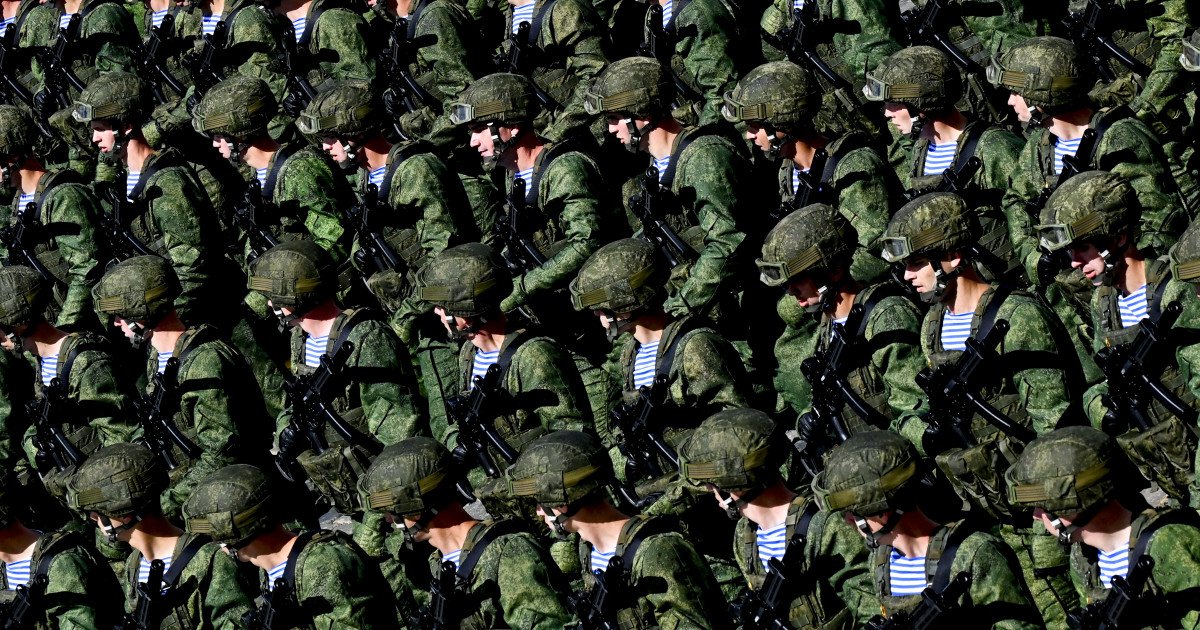
Consider this: according to a new estimate based on data obtained following the hacking of Rosstat’s database, more than 700,000 Russian soldiers have already been killed in Ukraine.
In the wars of the previous century, the usual ratio was one killed to three wounded.
With a well-organised military medical system, this ratio could range from 1:4 to 1:8.
We are talking specifically about large-scale wars involving infantry fighting infantry, tanks, aviation, artillery and so on.
Not special operations or limited, low-intensity conflicts against insurgents.
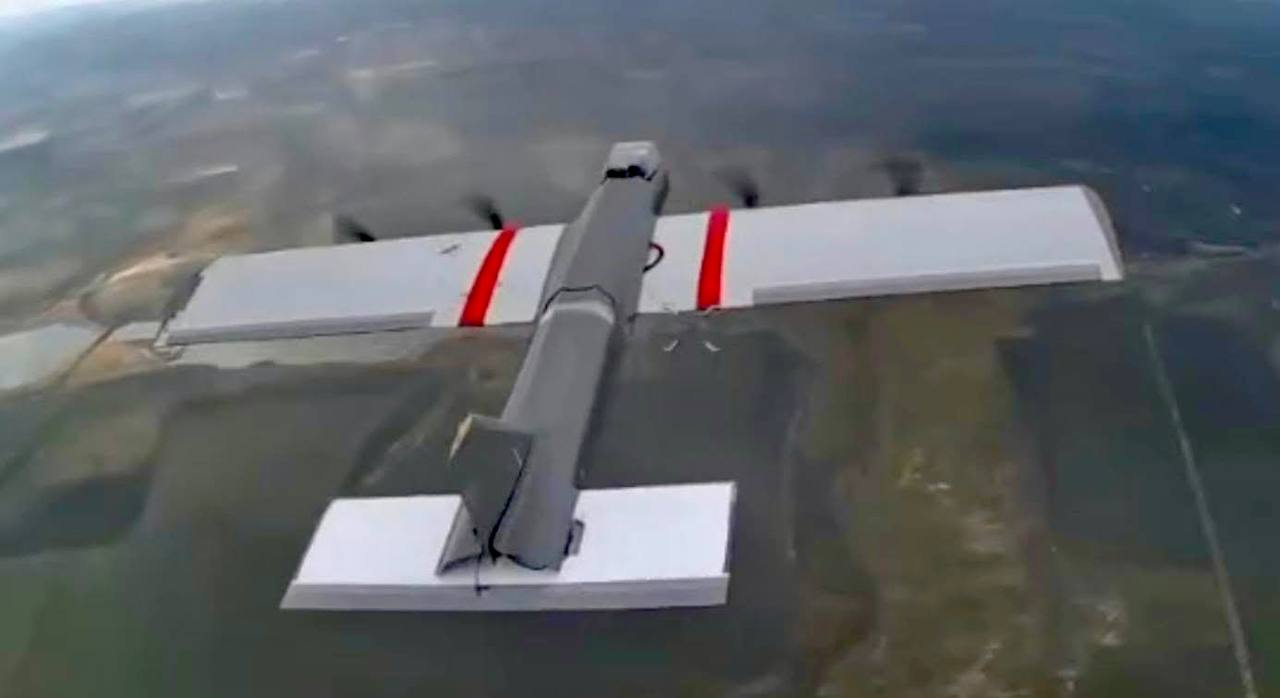
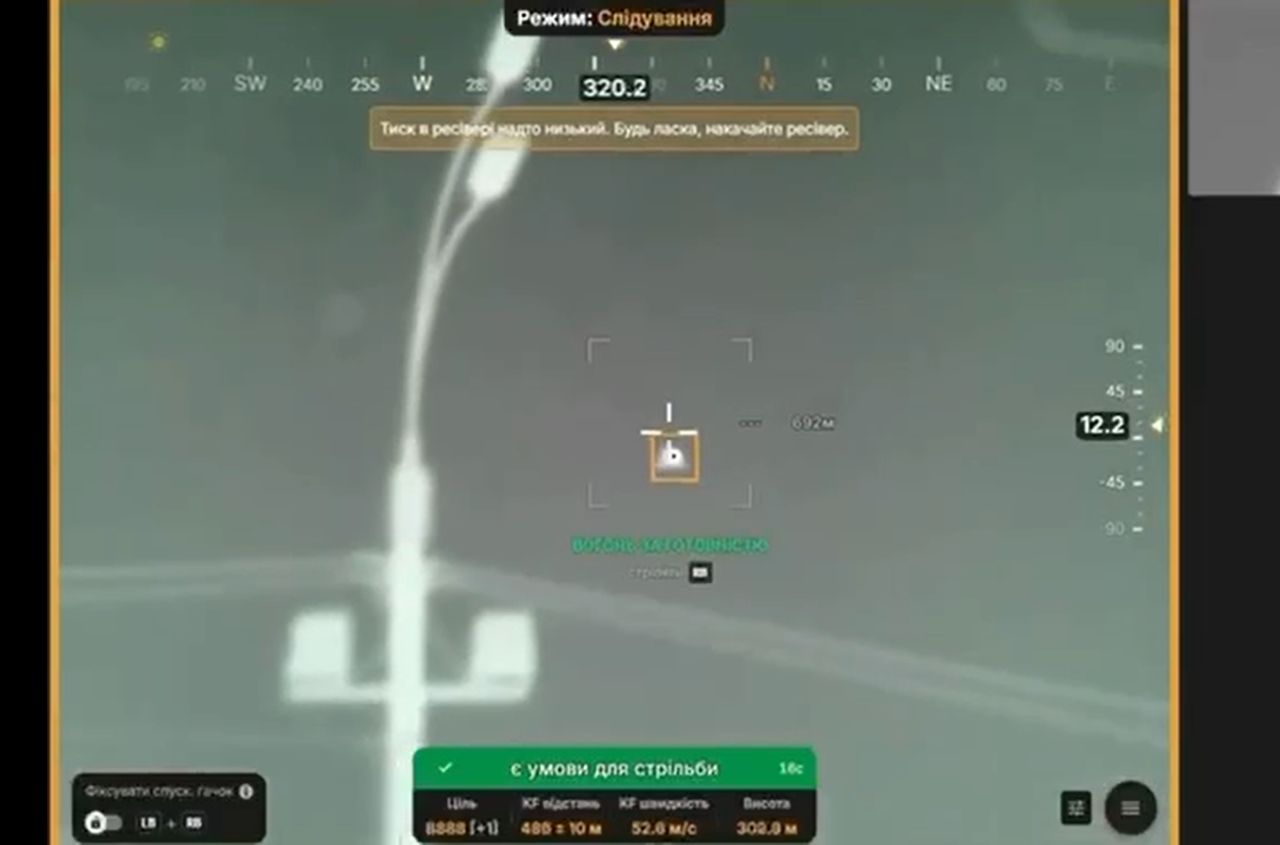
Today, however, this formula probably no longer works because drones, which now account for up to 90% of strikes on the front line, make it possible to target individual soldiers with precision.
Even if a soldier is not killed immediately, he may die from his wounds after being abandoned, as those very same drones make evacuation extremely difficult.
Previously, artillery was one of the main causes of casualties, resulting in large numbers of soldiers being admitted to hospitals with shrapnel wounds.
These were among the most common injuries in the wars of the previous century.
Today, however, the 1:3 ratio no longer applies.
The deaths of 700,000 Russian soldiers do not necessarily mean that more than two million wounded soldiers have returned from the front.
It becomes easier to understand why Russian society feels the impact of this war so weakly: there is no mass presence of wounded soldiers in hospitals, no streets filled with disabled veterans, and no cohesive groups of severely wounded former servicemen on a scale comparable to the losses sustained.
I mean a genuinely mass phenomenon involving millions of people – one, two, three million or more.
This war, which increasingly resembles not a war but a ritual sacrifice organised by Moscow, consumes people without sending them back.
Add to this the reluctance of the Russian Armed Forces to discharge wounded soldiers, returning them to active duty and sending them into assaults even with serious, unhealed injuries.
As a result, these soldiers remain at war rather than travelling around the country and telling people what is really happening there.
A dead soldier leaves behind little more than a family whose knowledge is limited to the experience of that particular soldier. A surviving soldier, however, is also a bearer of first-hand experience of the war itself.
This is an extremely important point.
A single soldier can tell hundreds of people about what he has experienced.
And when there are millions of such soldiers, it becomes a social phenomenon in its own right.
In the past, overcrowded hospitals, soldiers returning from the front and word of mouth were precisely the factors that fuelled public discontent.
Today, however, word of mouth is less likely to develop because a significant proportion of soldiers either die or remain within the military system.
Those serving in rear-echelon positions remain relatively comfortable: mortality rates are considerably lower there, and their experience of the war is entirely different.
Meanwhile, the relatively small number of amputees and severely wounded soldiers who return to civilian life remain silent, simply grateful that they were allowed to escape this ritual sacrifice at all.
Add to this the geography of the losses.
Two-thirds of identified Russian soldiers killed in the war were residents of settlements with populations of fewer than 100,000 people.
In other words, the places where the war is felt most acutely are home to some of the least politically and socially active segments of Russian society.
Then there is the fact that losses are spread over time, alongside censorship, the classification of casualty data and the absence of mass demobilisation. Remember that hundreds of thousands of mobilised men were recruited into the Russian army, something Russian information and psychological operations tend to overlook while constantly highlighting Ukrainian mobilisation.
Discontent remains localised, and the disappearance of nearly a million people is not experienced by Russian society as an event of national significance.
Unless, of course, one deliberately starts digging and looking for evidence.
What I am trying to say is that the technologies of warfare are changing not only the nature of casualties themselves – something that has already been widely discussed – but also the way in which the experience of war is transmitted to society.
So yes, the old formulas no longer work.
And this is not just about the familiar 1:3 ratio.
It is also about sociology, psychology and society’s attitude towards war.
Even the eventual repercussions of all this will not necessarily follow the patterns of the previous century.