

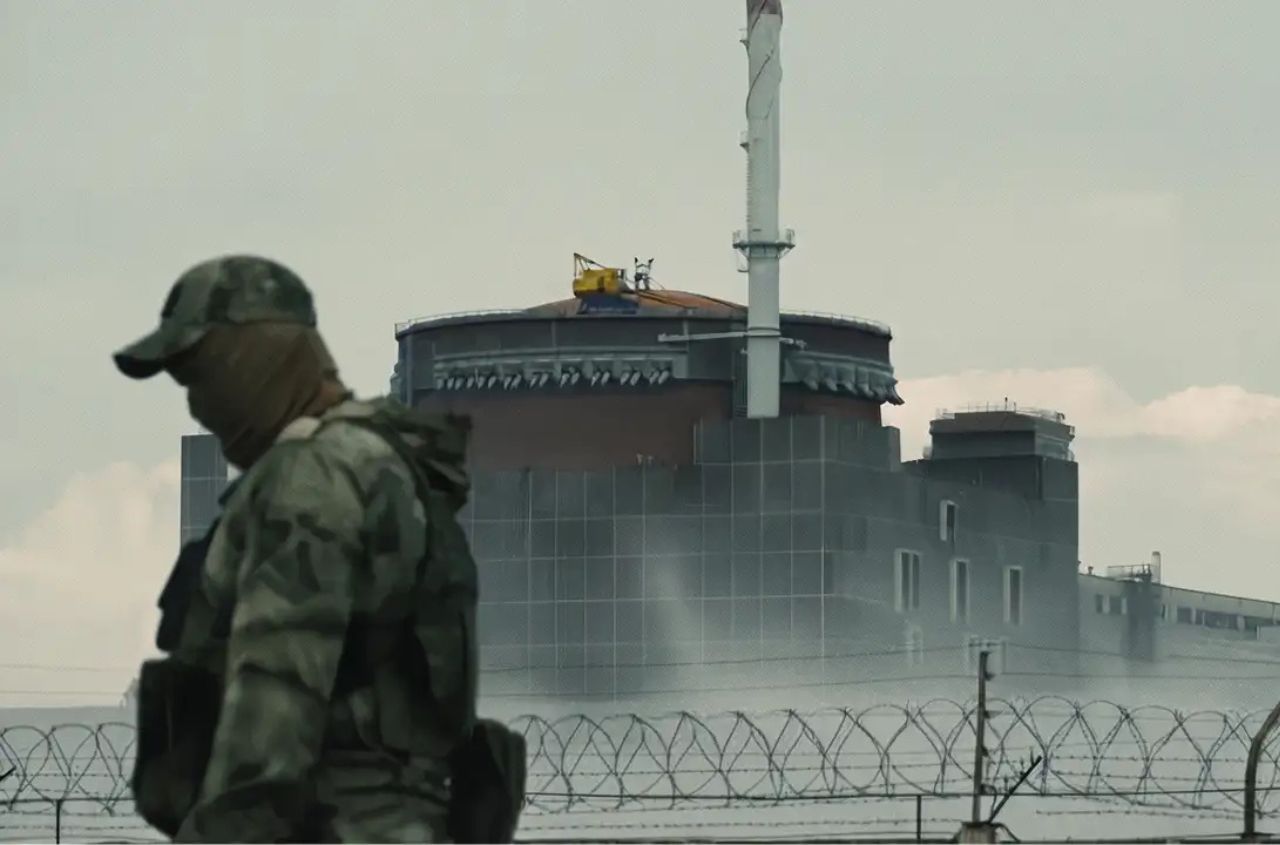

As of the first half of October 2026, all six reactors at the temporarily occupied Zaporizhzhia Nuclear Power Plant (ZNPP) remain in cold shutdown and are not generating electricity.
The water level in the cooling pond continues to decline. As of 12 October 2026, it stood at 12.27 metres, compared with 12.34 metres at the beginning of the month. The trend is alarming: in July, the water level reached 12.86 metres, falling to 12.63 metres in early August and 12.55 metres by the end of August.
A water level of 15 metres is considered the minimum necessary to fully meet the plant's operational needs.
In the event of a complete loss of external power supply, the ZNPP would have to rely on diesel generators to maintain its operations. During a prolonged blackout, these generators would consume approximately 150 tonnes of fuel per day. However, the occupation administration is unable to ensure adequate diesel supplies to the plant, leaving existing fuel reserves at minimal levels.
The use of backup generators places additional pressure on the already difficult fuel supply situation in Ukraine's temporarily occupied territories.
As a result, the occupying authorities are considering reducing the number of backup generators kept on automatic standby. Such a move would inevitably increase the risk of emergencies.
At the same time, options for secretly supplying fuel, including low-quality fuel, are being explored without notifying the International Atomic Energy Agency (IAEA) mission.
Another problem is the shortage of qualified specialists capable of properly repairing equipment and subsequently reconnecting the ZNPP to external power sources.
Ukraine proposed supplying power to the 750 kV Dniprovska transmission line through the 330 kV Ferrosplavna-1 substation line to ensure the plant's safe operation. However, the Kremlin rejected this proposal, effectively refusing a solution intended to improve the electricity supply situation and increasing nuclear safety risks.
The staffing situation also remains critical. A total of 1,450 employees were working directly at the plant, while the overall workforce currently stands at approximately 5,000. Before Russia's full-scale invasion, around 11,000 specialists worked at the ZNPP.
Because the occupation administration is unable to maintain the entire workforce, some employees have been transferred to remote work or placed on forced leave. The authorities are also planning to stop paying salaries to some workers on the grounds of alleged "failure to perform their duties".
The occupying authorities are also facing a shortage of qualified specialists capable of operating the plant's specialised equipment. To replace Ukrainian personnel, the occupation administration plans to introduce special training courses for applicants from Russian regions.
The humanitarian situation in Enerhodar also remains critical. The temporarily occupied city in Zaporizhzhia region regularly experiences disruptions to mobile communications, internet access, electricity and water supplies. Shortages of fuel, drinking water and food also persist.
Russia is deliberately intensifying Enerhodar's information isolation in an attempt to minimise the flow of information about the critical situation in the city and at the ZNPP.
In particular, deliberate internet and mobile network shutdowns have been recorded, along with cases of arbitrary treatment of civilians by Russian occupation police.