


Romania has initiated discussions at today’s EU Foreign Affairs Council on the concept of establishing an EU Maritime Security Center in the Black Sea.
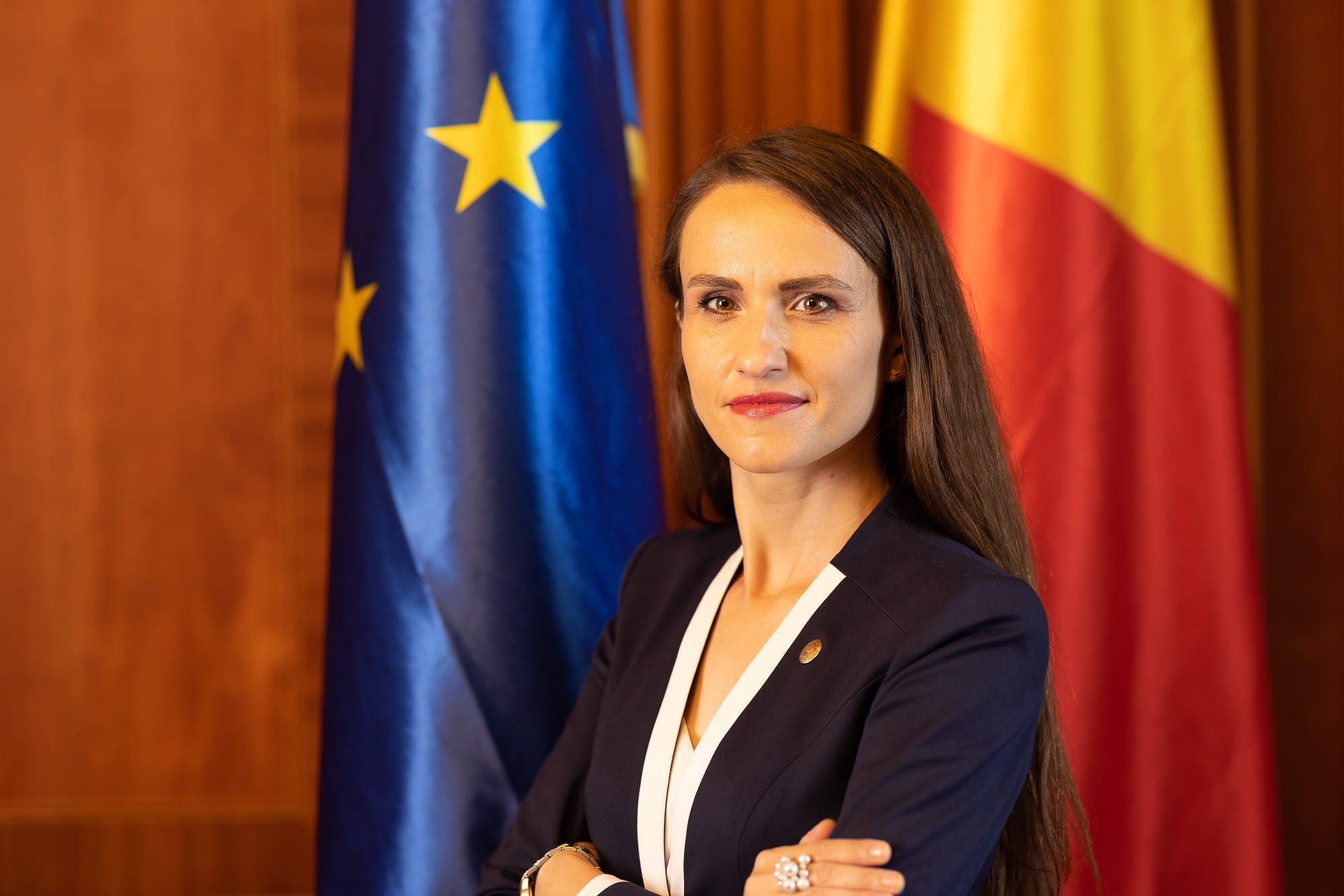
Romanian Foreign Minister Oana Țoiu announced this ahead of the meeting in Brussels.
According to the foreign minister, the issue of creating a Black Sea Maritime Security Center was included on the agenda of today’s meeting at Romania’s request and with the support of other countries in the region.
“We have a flagship project that we want to focus on. It is the Black Sea Maritime Security Center,” the head of Romanian diplomacy said.
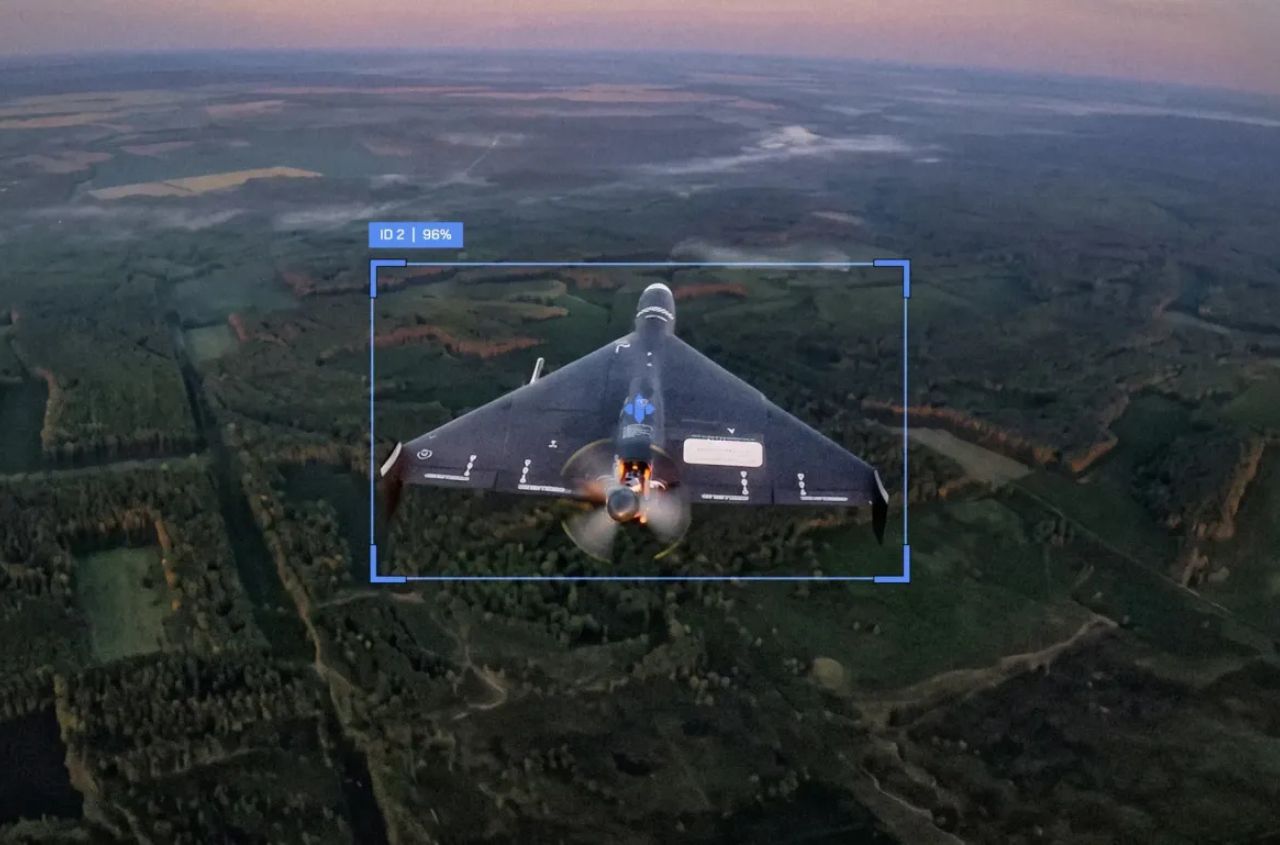
The future center, she explained, should enhance situational awareness of developments in the Black Sea, facilitate joint responses to hybrid threats, including those related to the growing use of drones, and serve as a platform for coordinating regional efforts involving Türkiye and EU institutions.
The new mechanism should complement NATO’s activities rather than duplicate them, Țoiu emphasized.
The Romanian foreign minister noted that after the NATO summit in Ankara, Romania, Bulgaria, and Türkiye agreed to strengthen cooperation in the Black Sea — from mine clearance to the protection of critical infrastructure.
“This means better protection of energy infrastructure and critical underwater infrastructure, primarily cables and communication systems,” she said.
According to Țoiu, next year Romania plans to increase gas production by 80% through the development of offshore fields in the Black Sea, which further highlights the need to protect maritime infrastructure.
In addition, Romania and Bulgaria have submitted applications for EU funding to implement strategic projects aimed at expanding the network of underwater cables in the Black Sea.
The minister also advocated expanding the exchange of experience between the Baltic countries and Black Sea states in the fields of maritime security, situational awareness, and international coordination to ensure freedom of navigation.