


The UK's Royal United Services Institute (RUSI) has published an analytical report examining the structure, strengths, and limitations of Russia's modern military. Below are the report's key conclusions:
The report's central argument is straightforward: Russia adapts relatively quickly at the tactical and technological levels but extremely slowly at the organizational level.
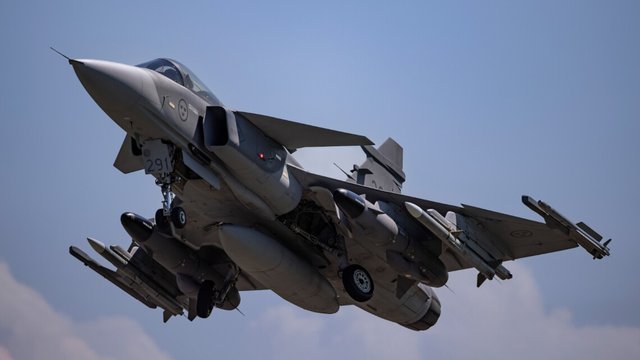
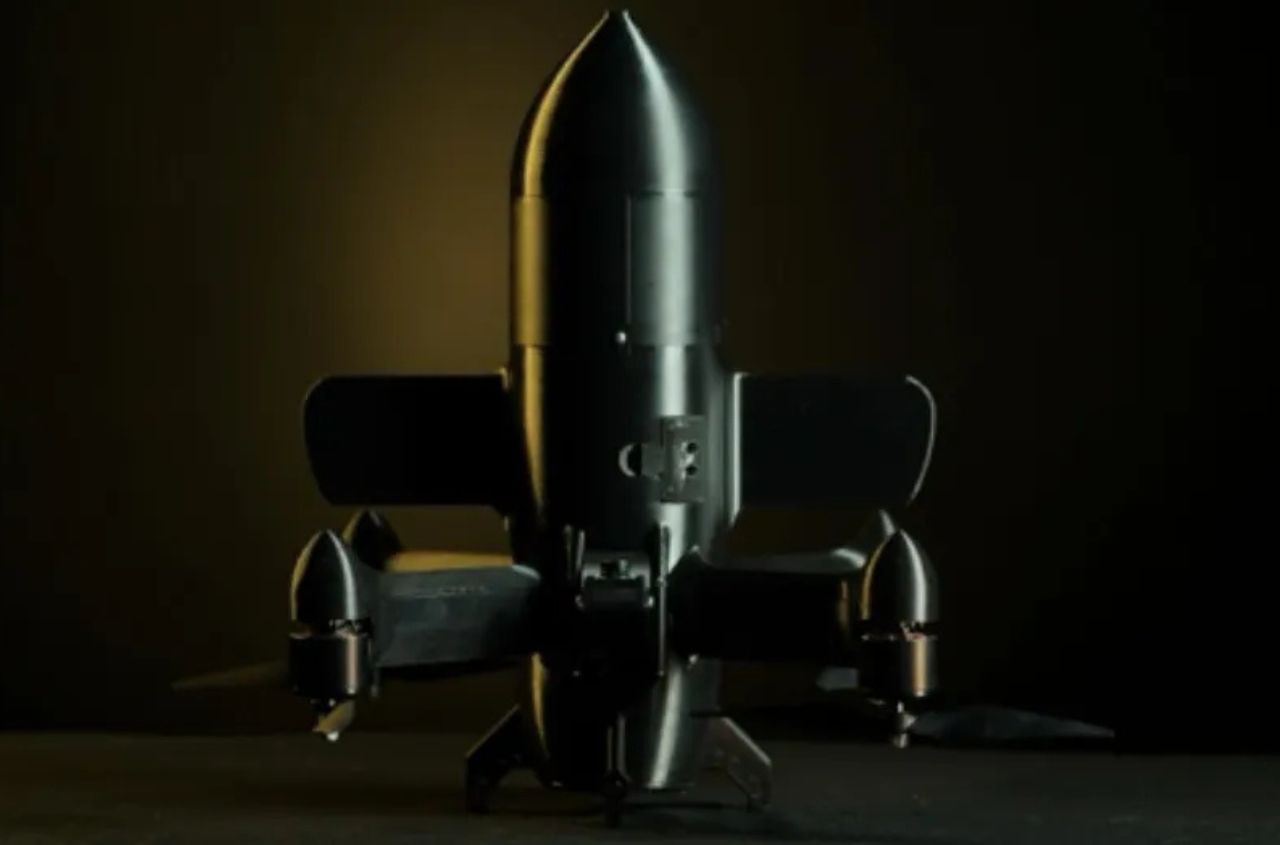
Since late 2024, Russia has developed a distributed strike complex that integrates drones, long-range strike systems, and real-time reconnaissance. This has gradually reduced its reliance on combat aircraft as the primary means of delivering strikes.
Russia actively adopts any technology that proves effective. It has successfully expanded its military capabilities by adapting civilian technologies and integrating Iranian and North Korean systems, which have increased the range and effectiveness of Russian strikes.
Unlike Western militaries, Russia places less emphasis on the precision of individual weapons. Instead, it prioritizes mass, saturation, low cost, and the ability to sustain a high operational tempo.
However, this approach has clear limitations. Russia is increasingly struggling to translate tactical successes into meaningful operational gains. According to the authors, this is due primarily to weaknesses within Russia's own command system rather than solely to Ukrainian resistance, although they stress that Ukraine's role should not be underestimated.
The report identifies Russia's rigid command-and-control structure as the core problem. This is not an unintended flaw but a deliberate feature of the system.
The centralized nature of Russia's armed forces is driven not only by military considerations but also by President Vladimir Putin's political priorities. Within this system, initiative at lower command levels is viewed more as a threat than as an advantage.
Rigidity, inflexibility, and limited initiative are not problems the system seeks to correct. They are deliberately preserved characteristics. Senior officers are rewarded for strict compliance with orders and discouraged from acting independently.
The slow decision-making cycle is likewise intentional, ensuring that the military remains tightly controlled and does not evolve into an independent political actor.
As a result, Russia's growing technological capabilities are not fully translated into operational cohesion or strategic superiority.
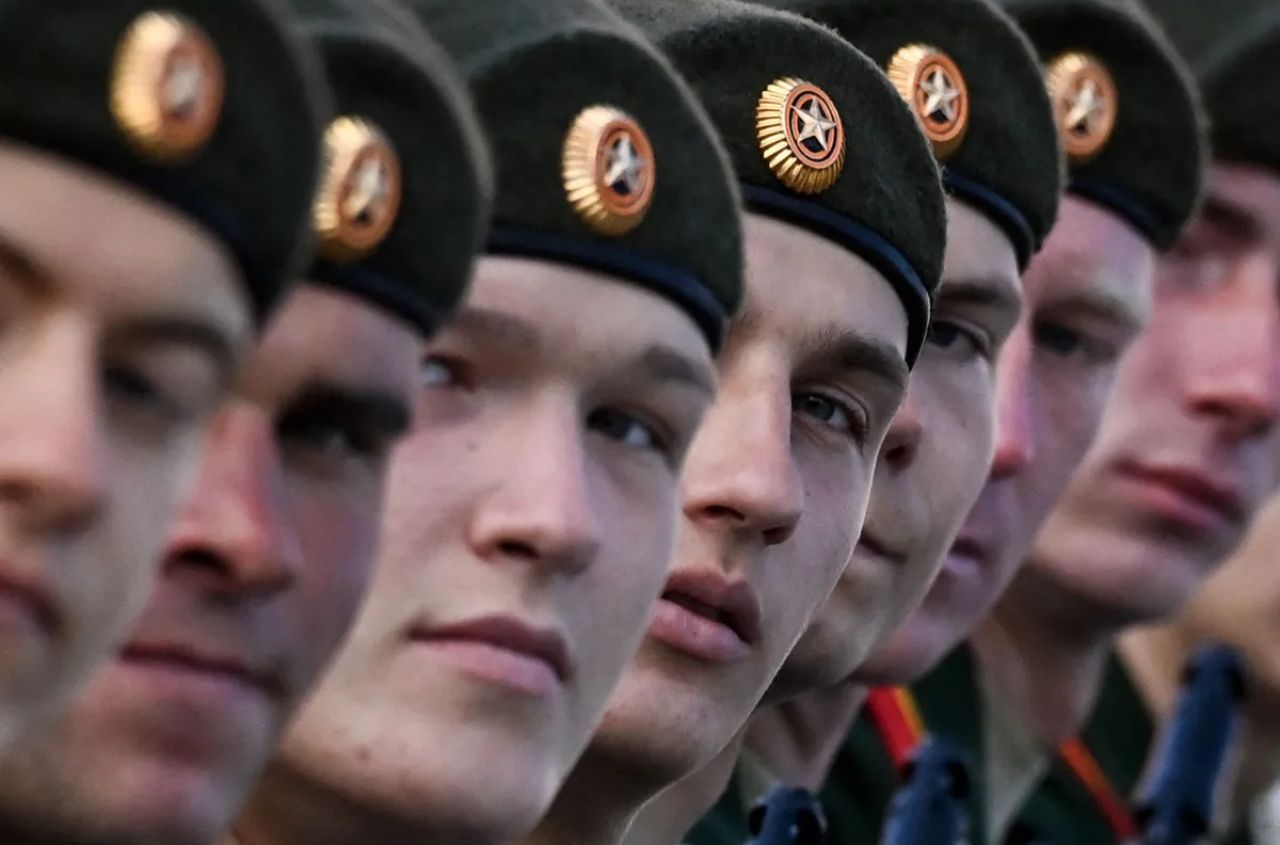
One consequence of this command model is the lack of an effective mechanism for transferring battlefield experience to lower levels. Russia does not have a professional non-commissioned officer (NCO) corps comparable to those in NATO militaries. The lieutenant remains the lowest formal command level. In NATO armies, professional sergeants serve as the backbone of decentralized command by translating officers' intent into tactical action while preserving institutional knowledge and combat experience.
Despite these limitations, the Russian military continues to learn and has demonstrated considerable resilience. In some areas, this reflects Soviet-era institutional strengths rather than uniquely Russian innovations. One example is railway logistics, which many analysts dismissed in 2022 as outdated and vulnerable but which has proved highly resilient in practice.
The report notes that historically, no military has undergone a fundamental organizational transformation during a major war. The Roman army reformed between campaigns, while the United States has traditionally implemented major military reforms only after wars, not during them.
Consequently, the report argues that Russia's command-and-control principles are unlikely to undergo fundamental change while the current large-scale war continues, as neither the institutional conditions nor the political incentives for such reforms exist.
The authors caution Western policymakers against assessing Russia solely through Western concepts of military effectiveness or asking whether Russia is simply "strong" or "weak." Russia operates according to a different logic in which endurance, mass, and a willingness to absorb heavy losses matter more than speed and precision.
This does not mean Russia is destined to win a prolonged war. However, its military system is better suited to sustaining long-term warfare than many Western analysts have assumed.
Therefore, the report argues that assessments of Russia should focus on its ability to replace losses, adapt tactics, and continue fighting for years while preserving the political hierarchy that is simultaneously the source of both its resilience and its principal weaknesses.
In the authors' view, the Russian military is a system that learns selectively—only within limits it deliberately imposes on itself. It is not because it lacks the ability to reform more deeply, but because crossing those boundaries would threaten the political system and Putin's grip on power.