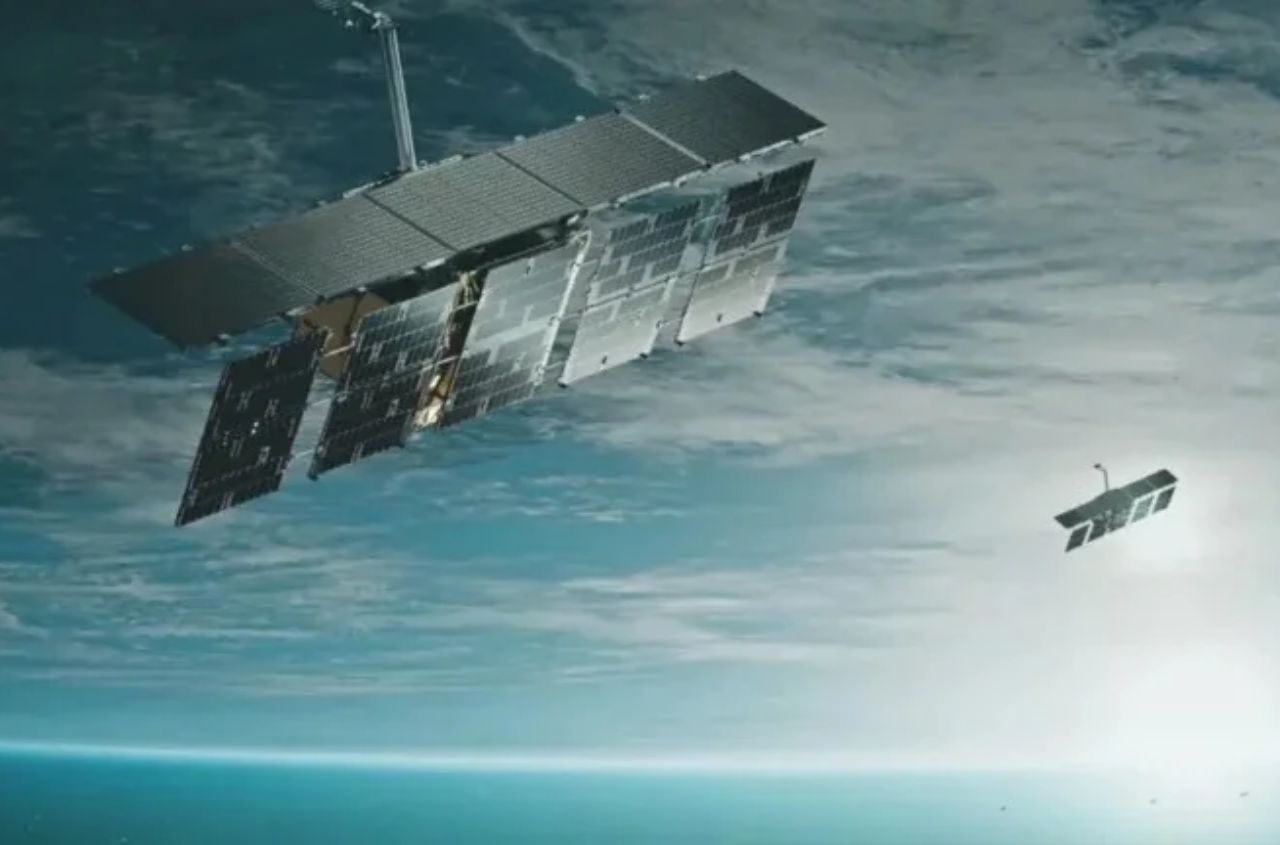


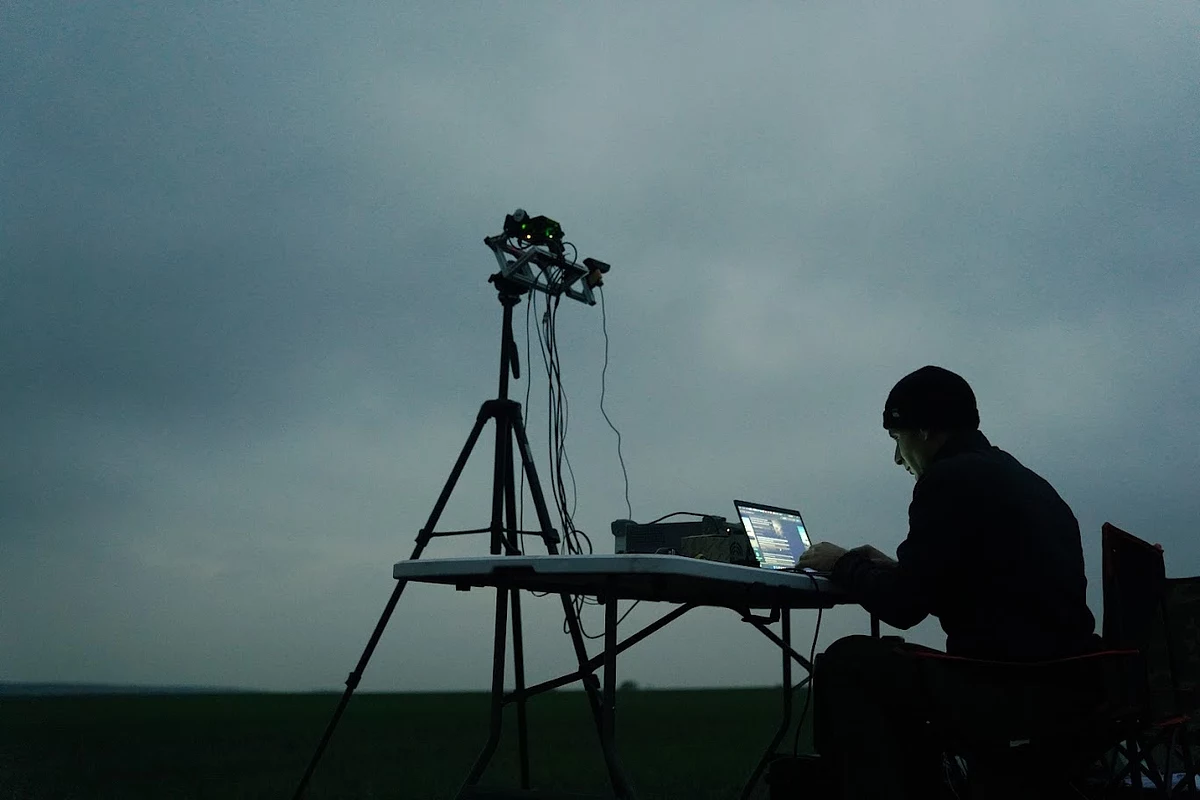

Ukrainian-Lithuanian defence startup Valkyrie Dynamics has secured €1 million in investment to produce miniature radars for interceptor drones. The pre-seed funding round was led by French venture studio Hexa, Defender Media reports, citing the company.
Valkyrie Dynamics’ flagship product is Heimdall, a compact radar unit installed directly on interceptor drones. The device emits radio waves and helps operators detect aerial targets at distances of 100–500 metres, according to its developers.
The technology is designed to address the problem of limited visibility when intercepting enemy drones. Currently, operators primarily rely on cameras, whose effectiveness is reduced by cloud cover and precipitation. By contrast, the manufacturer claims that the onboard radar can detect targets regardless of weather conditions.
The company is currently completing testing of Heimdall and its integration with Ukrainian customers and military units. Its partners include Korven Systems, which develops a software and hardware ecosystem for unmanned systems, including an autopilot for high-speed interceptor drones.
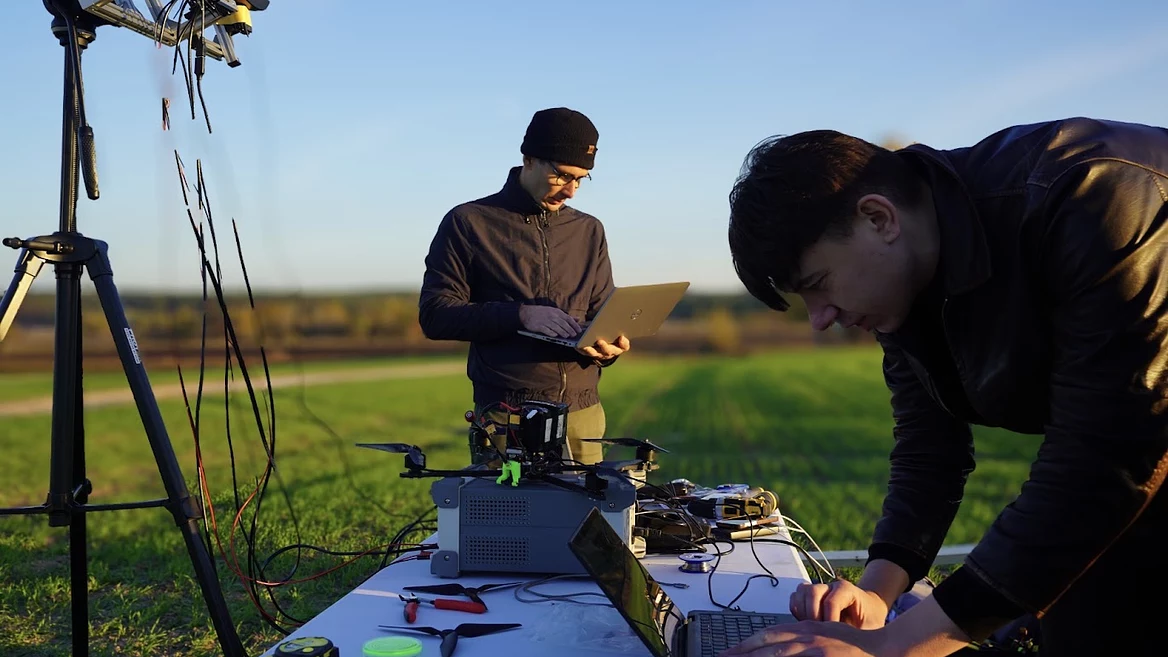
In November 2026, Valkyrie Dynamics plans to produce its first small batch of radars based on the current model. The company then intends to move to serial production, although planned production volumes have not yet been disclosed. Once serial production begins, the cost of each device is expected to be below €300.
Valkyrie Dynamics unveiled its first working Heimdall prototype in October 2026. That same month, the company joined Hexa Sprint Defense, an accelerator programme run by French venture studio Hexa, focusing on European startups developing defence technologies and dual-use solutions.
In addition to radar development, part of the funding will be used to create the next version of Heimdall. The main improvement will be an increase in target detection range from the current 100–500 metres to one kilometre. Developers are also working to increase the radar’s data refresh rate and expand its field of view. These improvements are expected to be made possible by transitioning to a new device architecture.
In the longer term, Valkyrie Dynamics plans to adapt the technology for use on ground vehicles and other types of unmanned systems.