


The Odesa International Literature Festival held its 11th edition in Chișinău, continuing a journey that has taken the festival across Europe since Russia’s full-scale invasion made it impossible to hold the event in its home city.
Founded by Ulrich Schreiber, the festival was first held in Odessa in 2015. Since 2022, it has travelled to Batumi, Bucharest and Kraków, maintaining its connection with Odessa while bringing Ukrainian writers and cultural projects to international audiences.
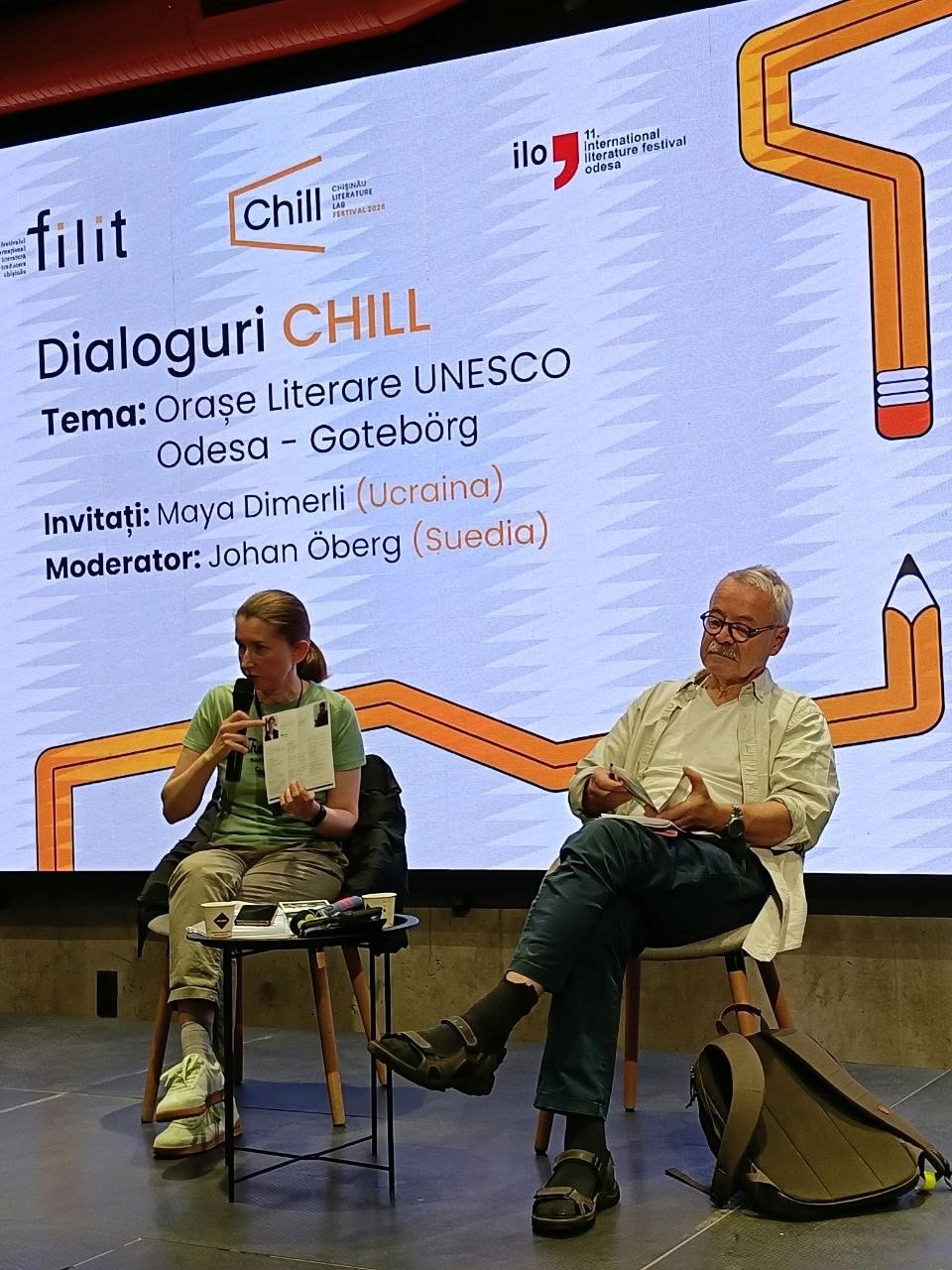
This year, the festival was hosted in Chișinău in partnership with CHILL — the Chisinau Literary Laboratory. The Odessa programme took place at Artcor on 19–20 September and brought together established international figures, including writer Andrey Kurkov, filmmaker Sergei Loznitsa and Czech writer Radka Denemarková, alongside poets, writers and cultural figures including Maya Dimerli and Swedish essayist, translator and cultural manager Johan Edberg.
One of the central themes of the programme was how writers of different generations experience war, displacement and the search for a language of their own.
Young Odessa poet Mykhailo Kutsak presented his first poetry collection, Have You Ever Seen Blue? Kutsak was a participant in the first season of The New Odyssey, a Ukrainian national poetry competition for school students founded by Odessa-born American poet Ilya Kaminsky, the newspaper Vechirnia Odesa and the Odesa UNESCO City of Literature Office.
His appearance in Chișinău marked a journey from a school poetry competition to an international literary festival. Kutsak appeared alongside poet Vladyslava Ilinska, whose work across different languages and literary environments offered another perspective on how Ukrainian poetry is changing during the war.
The experience of living through war was approached from a very different direction by writer, playwright, journalist and volunteer Taya Naydenko, who took part in a discussion devoted to Ukrainian humour.
With her husband currently serving on the front line, Naydenko spoke from the perspective of someone for whom the war is part of everyday family life. The discussion explored humour not simply as entertainment, but as a way of responding to the contradictions and absurdities that have become part of life in wartime Ukraine.
Among them is the increasingly complicated world of volunteer fundraising. People collecting large sums for the military through personal bank accounts may find themselves being offered premium banking services because financial systems interpret the flow of donations as personal wealth. At the same time, scandals involving people who misuse the language of volunteering create suspicion towards those who genuinely devote their time and resources to helping the front.
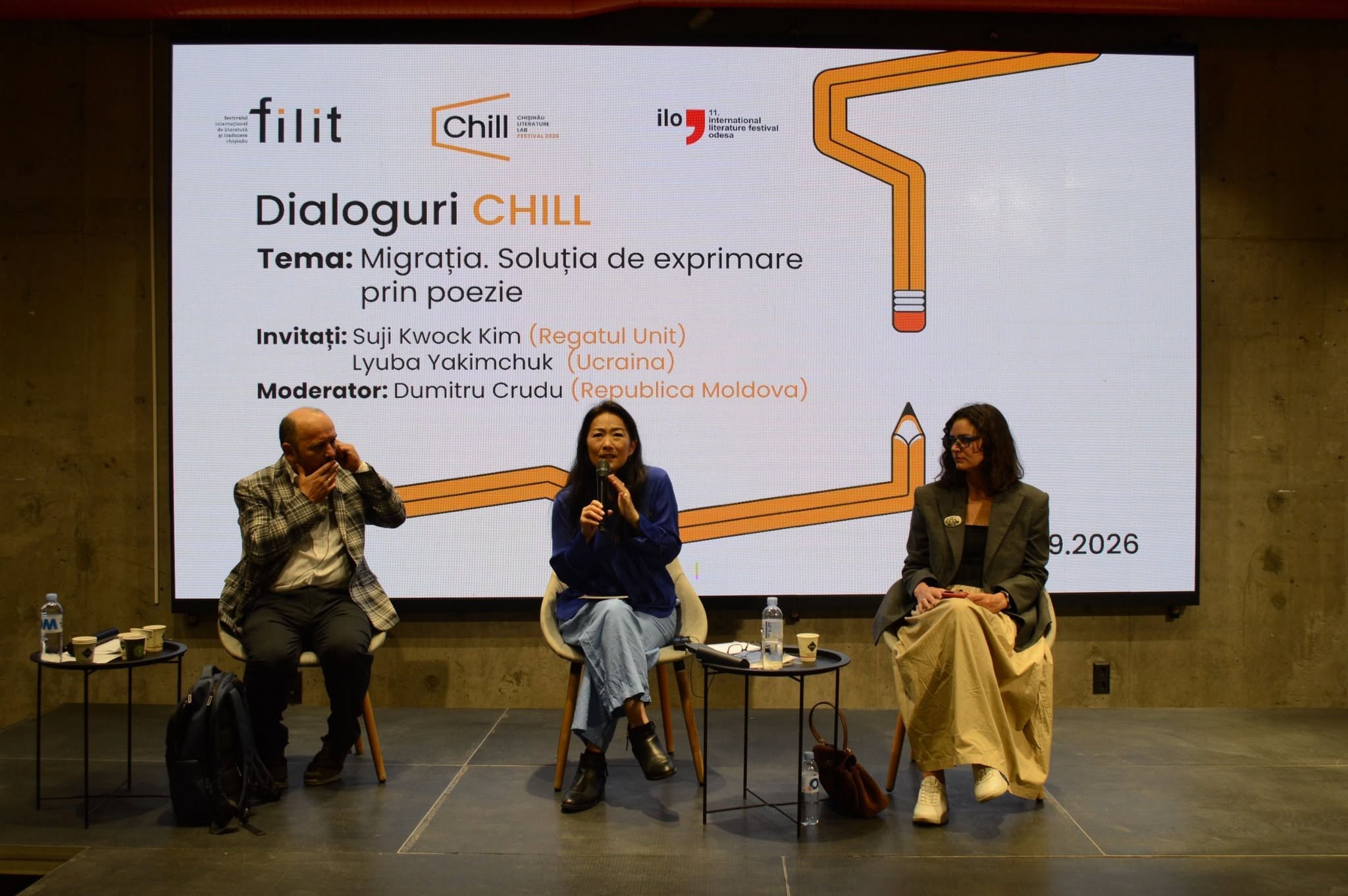
Home, exile and the possibility of return were at the centre of another conversation, bringing together Ukrainian poet Lyuba Yakimchuk and Korean-American poet and playwright Suji Kwock Kim, whose family origins are in North Korea. Moderated by Moldovan writer and playwright Dumitru Crudu, the discussion explored how displacement changes the meaning of home and how memory survives through language, family stories and everyday gestures.
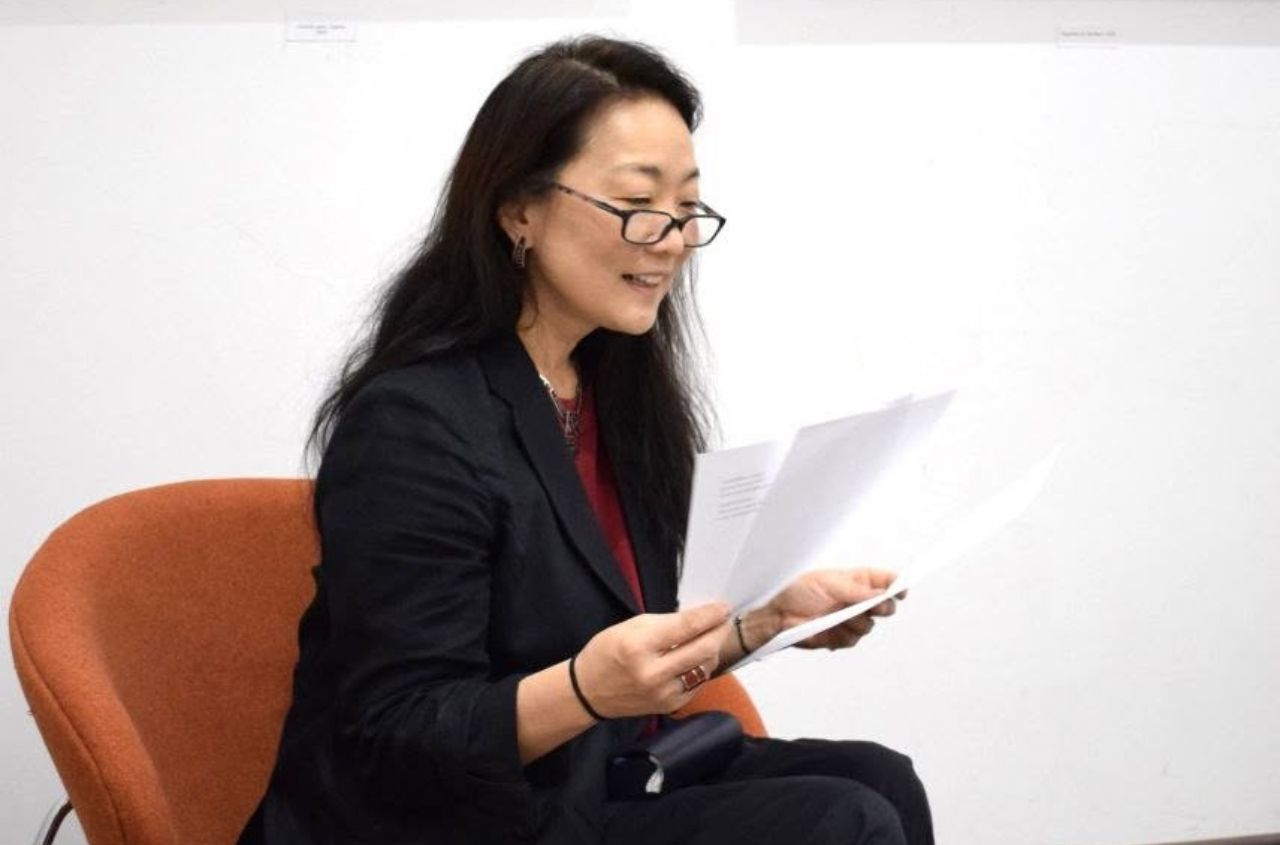
For Kim, the conversation had a direct connection with Odessa. Before arriving in Chișinău, she spent two weeks in the city working on a new book as part of the UNESCO–Cosmopolis Polyglot Literary Residency. The residency was supported by Reykjavík UNESCO City of Literature and Ukrainian Cosmopolis in cooperation with the Odesa UNESCO City of Literature Office.
The subject of memory also appeared through Odessa’s museums. Olena Ilyasova, director of the Odesa Bleschunov Municipal Museum of Personal Collections, and artist Maria Apryatova presented Odessa: A Museum Diary of War, a graphic novel documenting the everyday work of a museum during the full-scale invasion.
The project tells the story of protecting collections under bombardment and of the people who continue working to preserve the city’s cultural memory. Supported by the Odesa UNESCO City of Literature Office, parts of the graphic diary have already been translated into Japanese, Dutch and Frisian and circulated through the international Cities of Literature network.
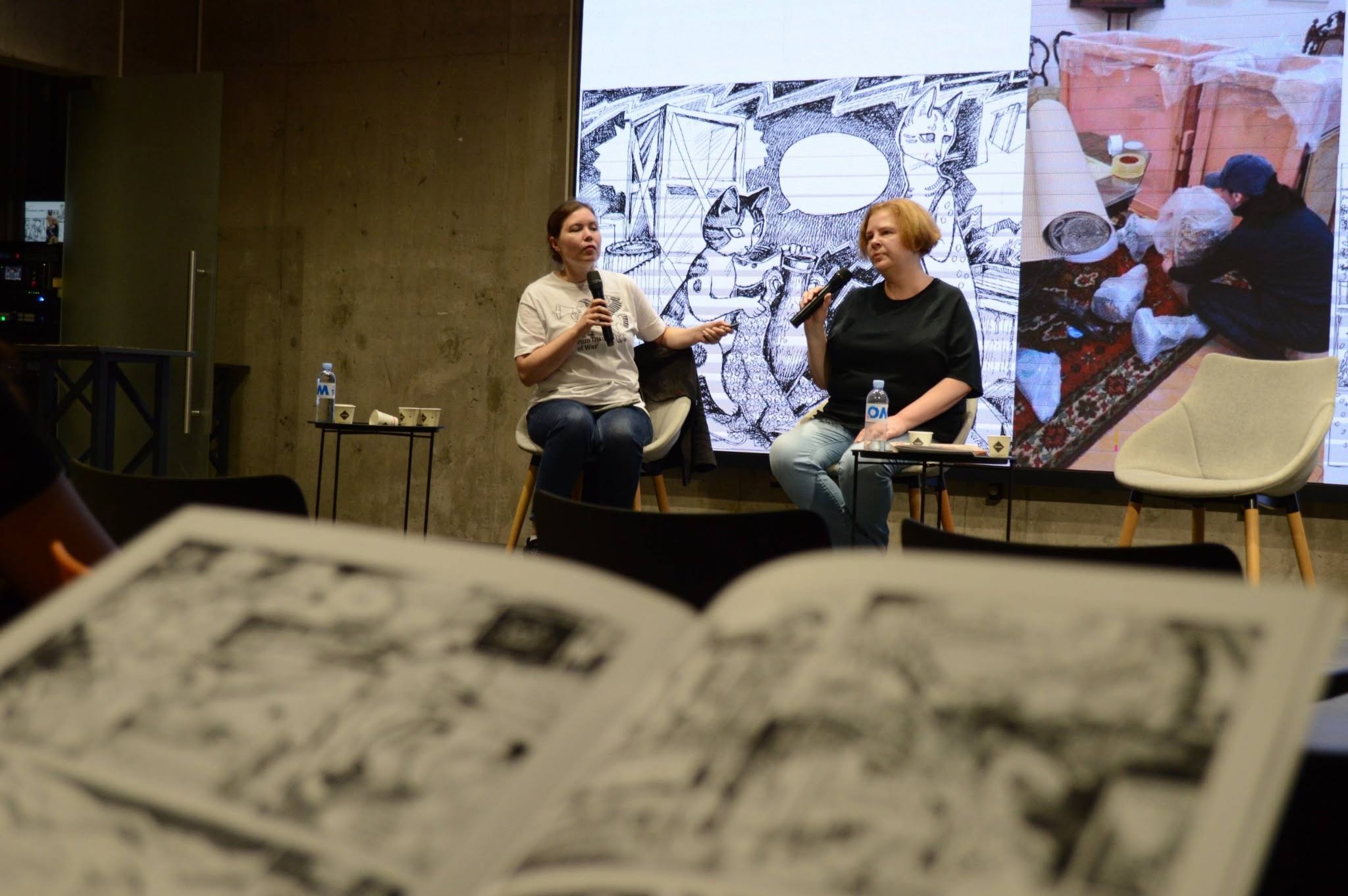
In 2026, Odessa: A Museum Diary of War was shortlisted for the international ICOM COMMS Awards after a selection involving 112 projects from 62 countries across five continents. The project is competing in the Best Storytelling and Best of the Year categories.
The Chișinău programme also created new connections beyond Ukraine. Moldovan writer Iulian Fruntașu presented Donatello, asasinul lui Putin, a novel about a cat who sets out to kill Vladimir Putin.
On the festival’s second day, representatives of Odessa and Gothenburg discussed future cooperation between the two UNESCO Cities of Literature. The conversation focused on translation, literary exchanges and ways of bringing writers from both cities to new audiences.
Swedish essayist, translator and cultural manager Johan Edberg moderated the discussion and attended the festival through the Closer Together programme, which connects Gothenburg, Lviv, Vilnius, Kraków, Odessa and Wrocław. The Odessa side presented projects developed with Ukrainian Cosmopolis, Vechirnia Odesa and the English-language publication The Odessa Journal.
The international Odessa delegation and programme were organised through cooperation between several of the city’s cultural organisations, with Maya Dimerli among the organisers of the Odessa programme. Ulrich Schreiber supported the delegation’s journey to Chișinău, while Ukrainian Cosmopolis supported the participation of Vladyslava Ilinska, Taya Naydenko and Olena Ilyasova. Mykhailo Kutsak participated through a partnership between the Odesa UNESCO City of Literature Office and Vechirnia Odesa.
For Schreiber, the travelling editions of the festival remain connected to a clear ambition: that the Odesa International Literature Festival will eventually return to the city where it began.
Until then, the festival continues to function as a travelling meeting point for Odessa’s literary community and its international partners. In Chișinău, conversations about war, humour, displacement, memory and coming of age were accompanied by something equally important — new translations, residencies, collaborations and relationships that can continue long after the festival itself has moved on.