

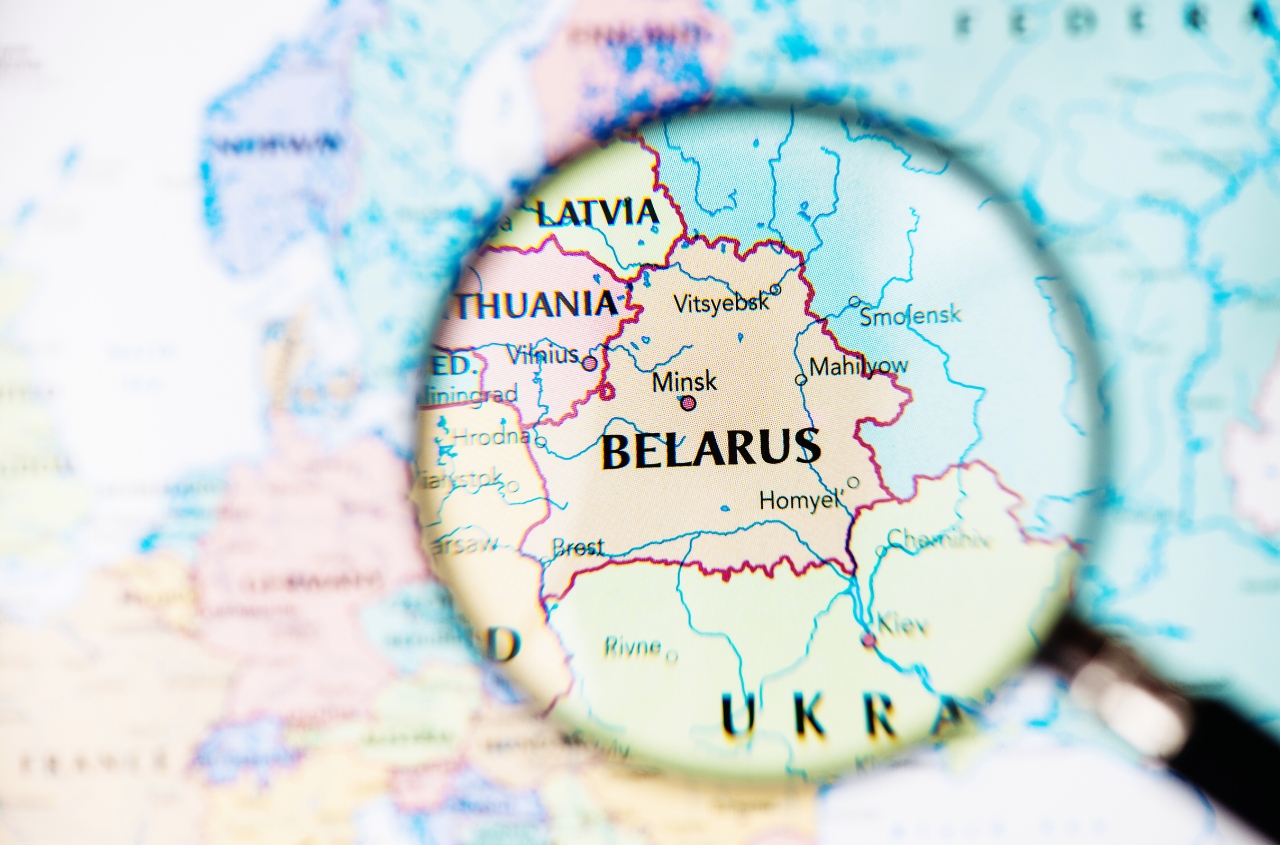

The European Union has expanded the scope of its sanctions regime against Belarus to also cover Minsk’s hybrid hostile actions against its European neighbors. The decision was adopted by the EU Council on December 15 and is aimed at increasing pressure on Belarusian entities and individuals involved in such activities, according to the EU Council’s press service.
"Today’s decision follows the recent meteorological balloon incursions into Lithuania’s airspace," the message reads.
The new sanctions criterion allows restrictions to be imposed on companies and individuals who “benefit from, are involved in, or facilitate actions or policies linked to the Republic of Belarus that undermine democracy, the rule of law, stability, or security in the EU and its member states.” This includes information manipulation and interference, as well as actions that disrupt the functioning of democratic institutions, economic activity, or public services in EU countries.
Special attention under the new approach is given to critical infrastructure. Sanctions may be applied to individuals and organizations involved in interference with, damage to, or destruction of infrastructure facilities, as well as in systematic actions leading to disruptions in their operation. As an example, the EU cited the situation at Vilnius Airport, where repeated launches of weather balloons from Belarus disrupted hundreds of flights, affected thousands of passengers, and caused significant losses to airlines.
The EU Council’s press release emphasized that the purpose of such actions is to destabilize EU member states and intimidate European citizens, including by creating a direct threat to civil aviation. The use of weather balloons is viewed as part of a broader hybrid campaign that also includes state-supported migrant smuggling. The new criterion enables the EU to respond more effectively to such threats and to impose sanctions on those responsible, strengthening measures to protect security and stability in the region.