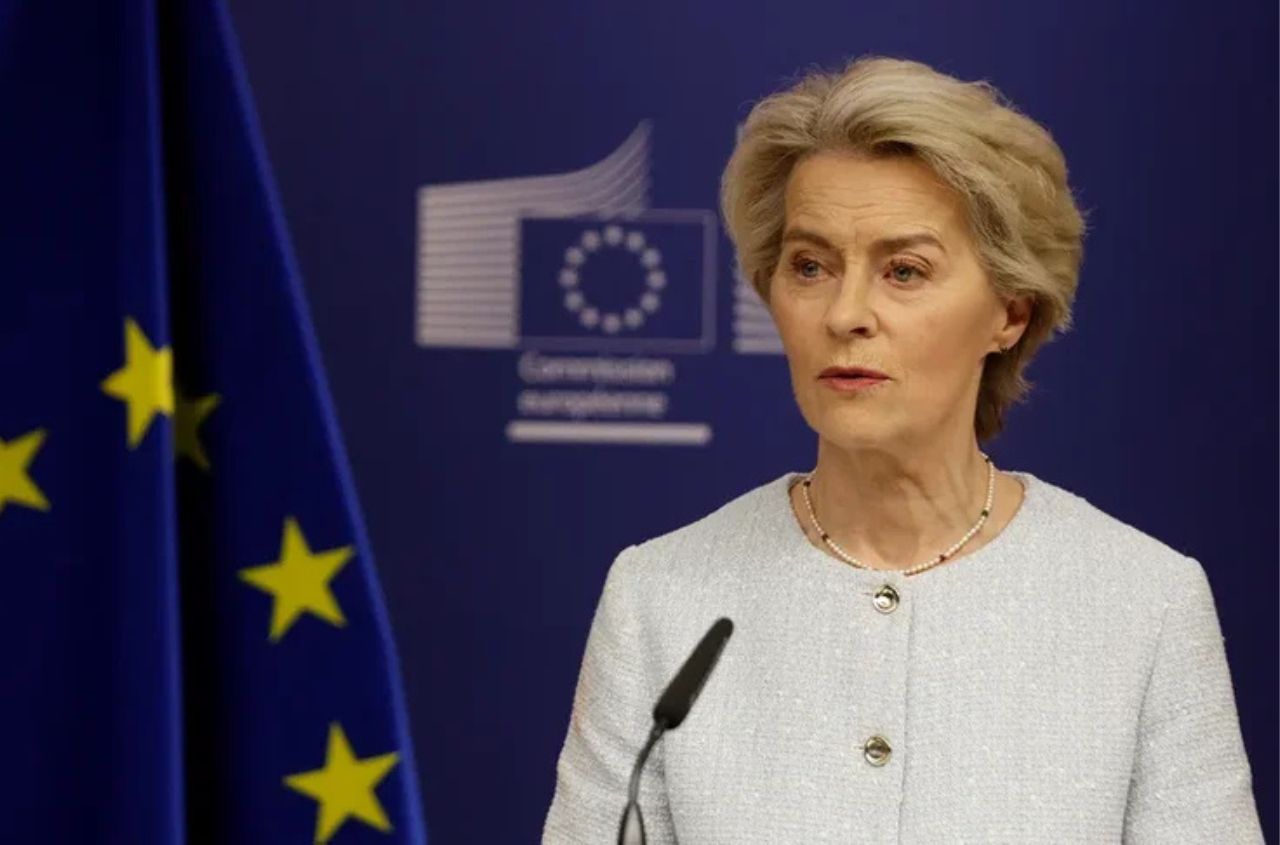



The European Commission has invited European Union member states to participate in the second round of the Security Action for Europe (SAFE) instrument and use the funding to support Ukraine.
This was reported by the European Commission's press service. The second round has a total budget of €21.3 billion, and all EU member states are eligible to apply. Once the Commission receives formal requests from member states, it has committed to informing them of their preliminary funding allocations within two weeks of the application deadline.
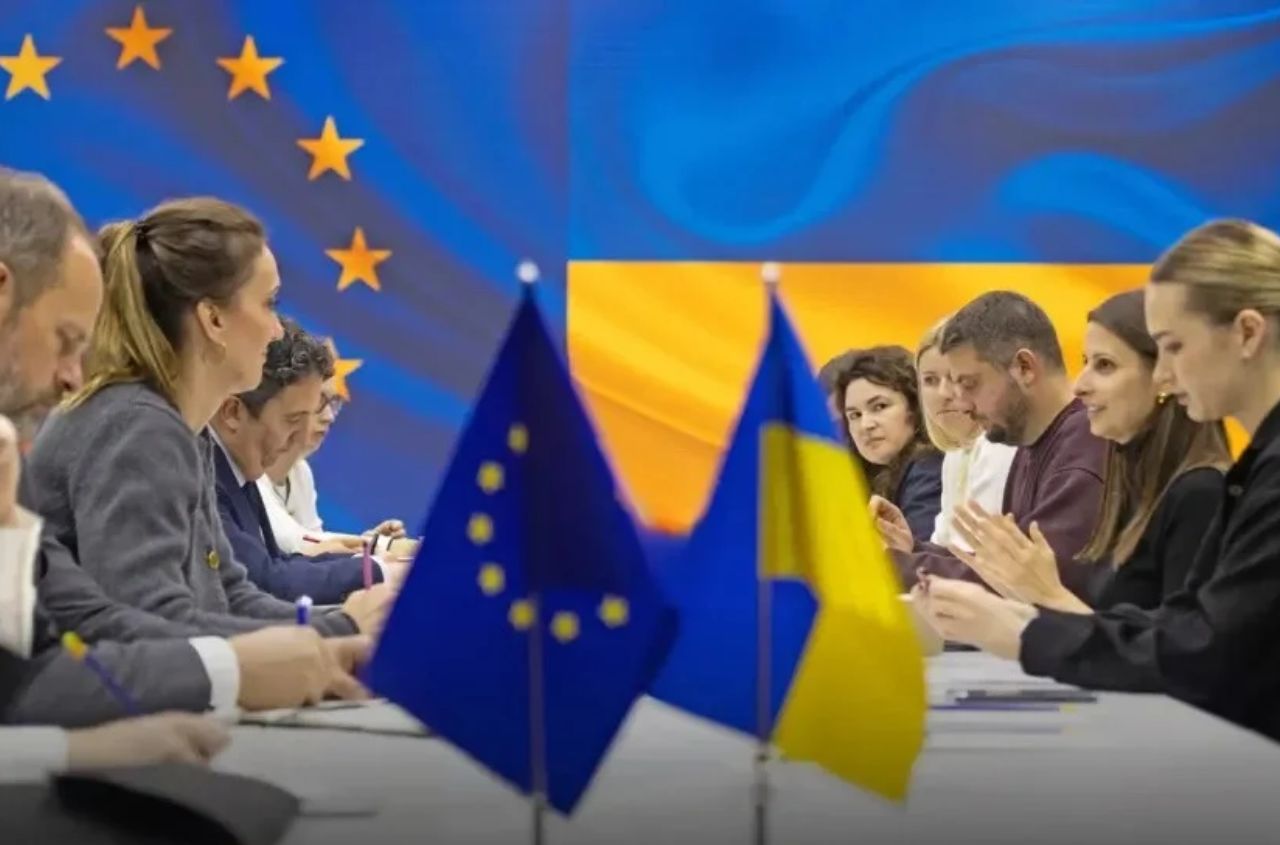
In addition to addressing their own national needs and defence priorities, Brussels is strongly encouraging EU member states to use funding from this round to strengthen cooperation with Ukraine. In particular, countries are being urged to include joint defence procurement with Ukraine in their national investment plans.
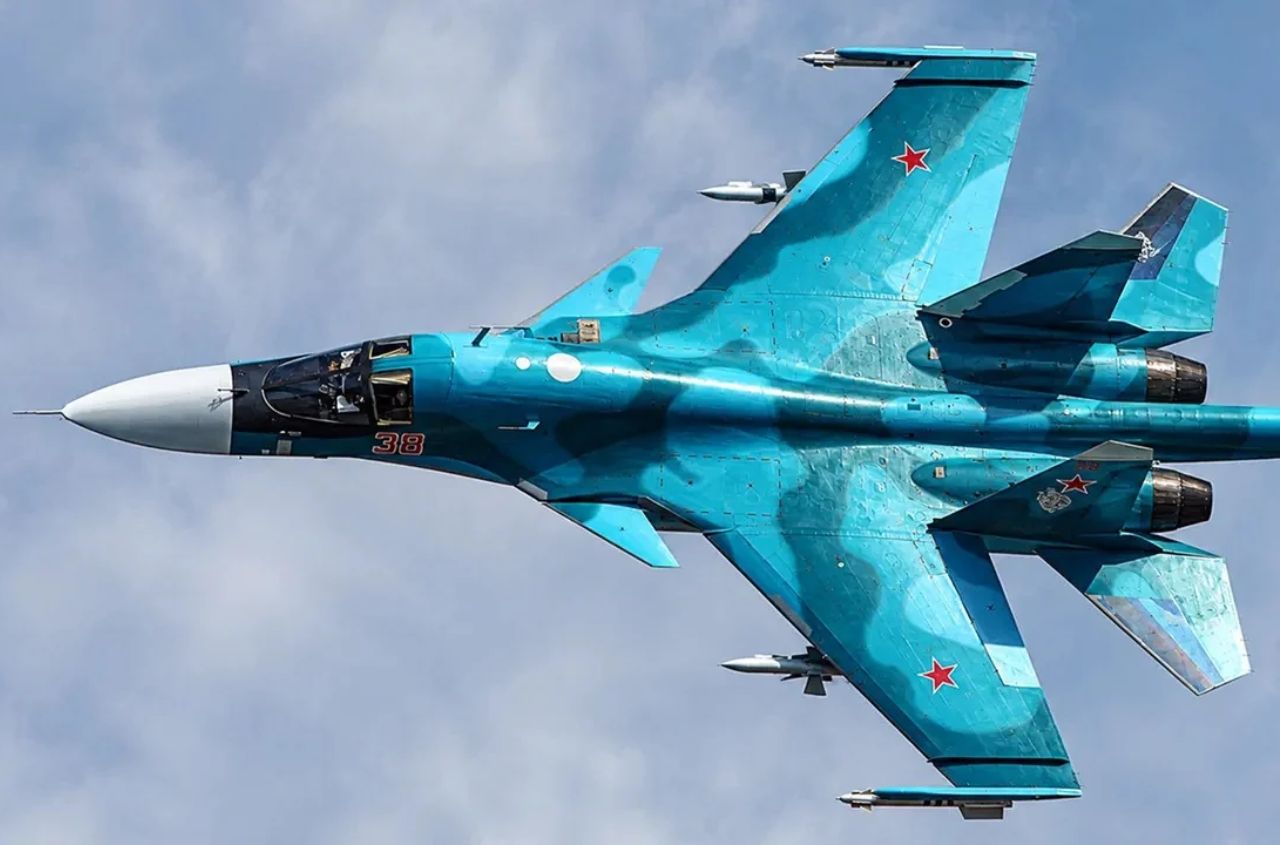
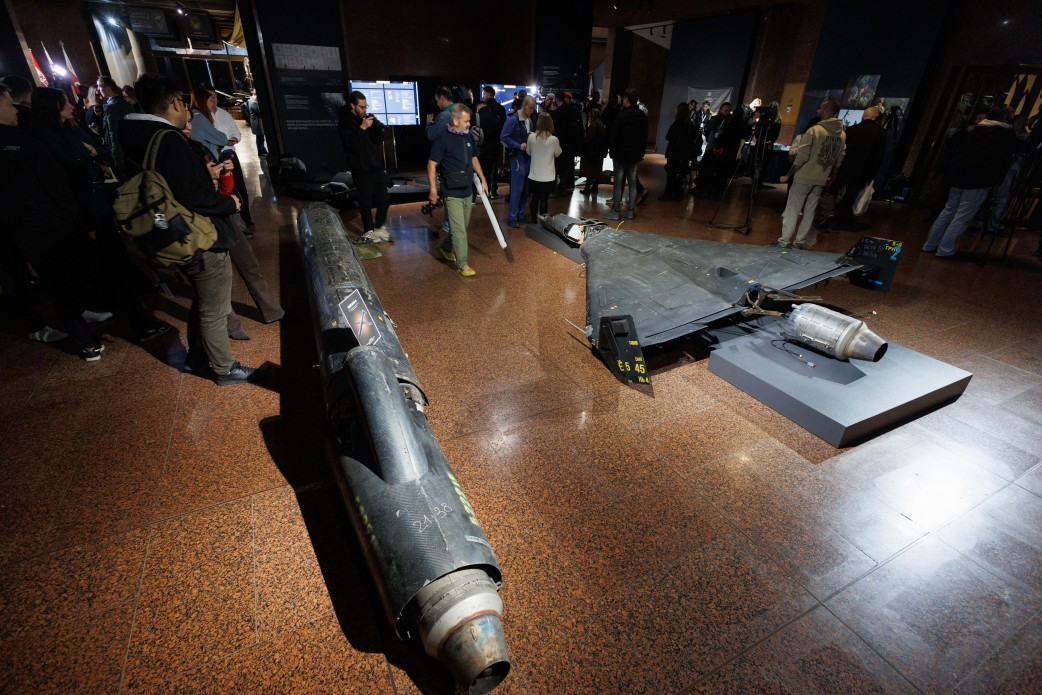
The European Commission emphasised the need to prioritise the urgent requirements of both the Ukrainian Armed Forces and the armed forces of EU member states in key areas, including air and missile defence systems, drones and counter-drone capabilities, ammunition and missile systems.
Funding under the second round is being made available through the €150 billion long-term SAFE loan programme, which was adopted in May 2025.
In November of the same year, member states submitted their defence industry development plans, with some requesting smaller amounts than initially envisaged. The European Union has now approved loan agreements with all 19 member states that decided to participate in the mechanism. The European Commission has already signed the relevant agreements with 16 of them.
In addition, almost €13.5 billion has already been disbursed to 11 countries that requested advance financing.