

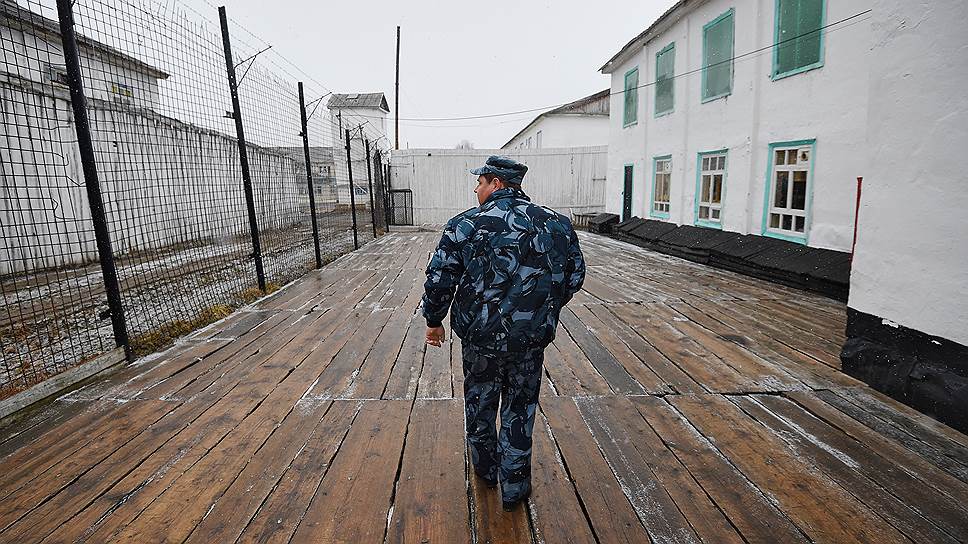

Russia is increasing funding for its penitentiary system despite a decline in the overall prison population. By 2035, the authorities plan to spend approximately $3.8 billion on expanding and modernising prisons and pre-trial detention centres, compared with the previously allocated $1.1 billion.
The programme includes the construction of 11 new pre-trial detention centres with a combined capacity of 11,230 inmates, 14 high-security prison blocks, the reconstruction of existing facilities and 118 auxiliary buildings. Funding will cover not only the construction of detention centres but also the development of supporting infrastructure.
New facilities are planned in several regions. In Moscow region, a pre-trial detention centre with a capacity of 4,000 inmates will be built. In Tatarstan, authorities have announced plans for the country's first multifunctional prison complex, accommodating 3,000 people and combining correctional colonies with a pre-trial detention centre.
In 2025, a complex with a capacity of 1,000 inmates was already opened in Kazan. It combines a pre-trial detention centre, general- and strict-regime penal colonies, women's and juvenile correctional facilities, and a section of a correctional centre. Two more integrated complexes, each accommodating 3,000 inmates, are planned in Chita and Ulan-Ude.
Meanwhile, Russia's prison population continues to decline. In May 2026, the Federal Penitentiary Service reported that 282,000 people were being held in detention facilities, including 85,000 in pre-trial detention centres.
The decline in the overall prison population is primarily linked to the recruitment of convicted prisoners to fight in Russia's war against Ukraine. However, some large detention centres, particularly in the capital regions, remain overcrowded.
The expansion of the prison system comes amid intensifying political repression. Since the beginning of 2026, at least ten political prisoners have died in Russian prisons. Every day, approximately 50 people become victims of repression and are implicated in politically motivated criminal cases.
The new pre-trial detention centres and correctional complexes will allow the authorities to hold more suspects and defendants while expanding detention capacity ahead of new waves of arrests for which the Kremlin is preparing.
At the same time, Moscow plans to cut social spending in its 2027 budget. Funding for social policy is expected to fall by 7%, while healthcare spending will be reduced by 6.8%, to 7 trillion roubles.