


Europe will continue increasing sanctions pressure on Russia despite agreements between US President Donald Trump and Vladimir Putin, with the addition of approximately 1,600 individuals and organisations linked to Russia's military-industrial complex to EU sanctions lists forming part of this policy.
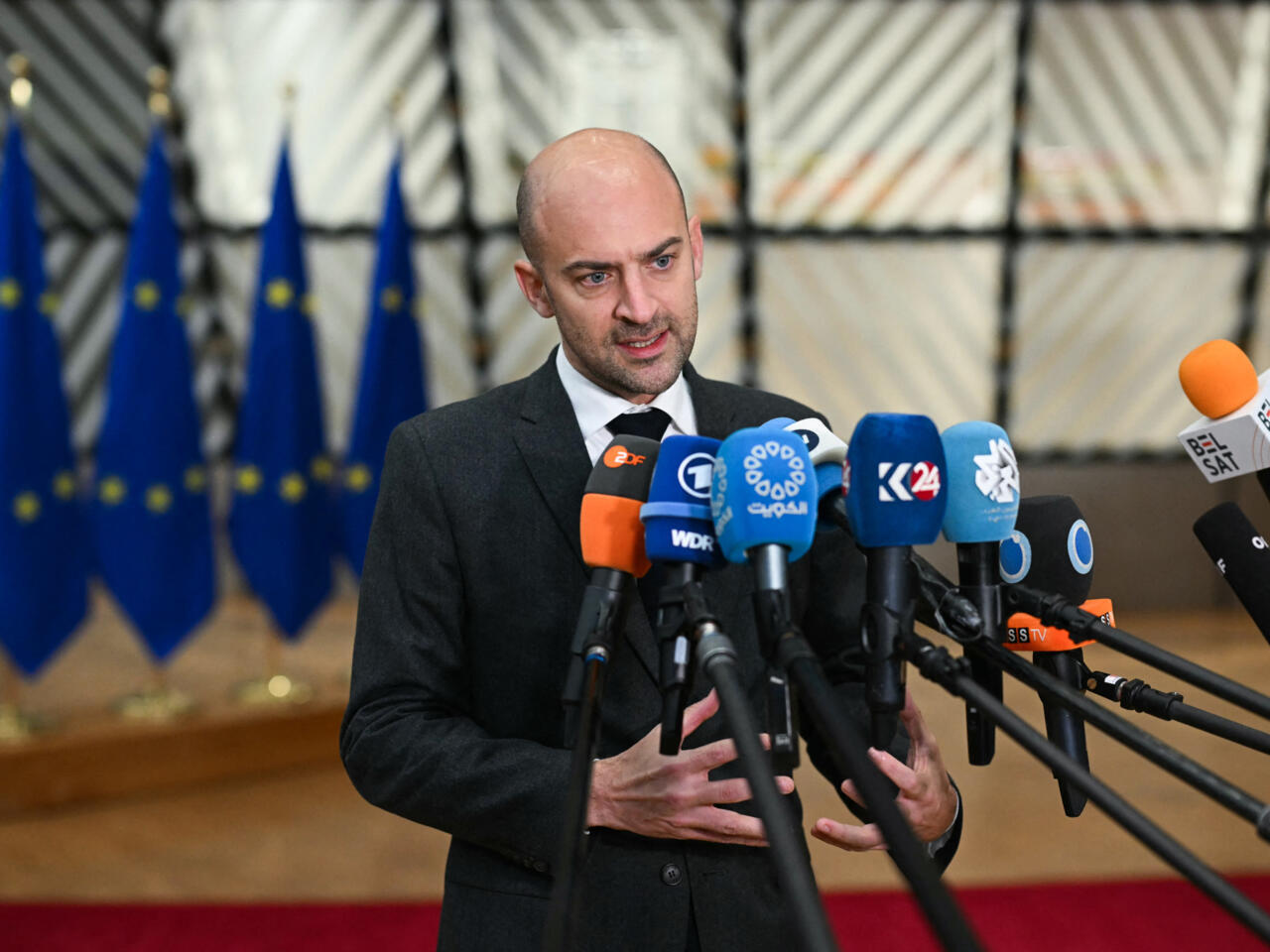
French Foreign Minister Jean-Noël Barrot made the statement ahead of a meeting of the EU Foreign Affairs Council in Luxembourg.
"This is the largest package of sanctions against Russian organisations and individuals linked to the military-industrial complex that supports Russia's war of aggression against Ukraine. With these 1,600 new listings, the total number introduced since the beginning of the war will increase from 3,000 to 4,600," Barrot said.
Asked whether agreements between Trump and Putin could undermine the European Union's efforts, the minister stressed that European sanctions remain in force.
"Our sanctions are working and will continue to work. If Vladimir Putin has failed to break through the Ukrainian front and crush the heroic resistance of the Ukrainian people, this is primarily thanks to the extraordinary courage of Ukrainians. But it is also the result of the unwavering support of Europeans, who continue to put pressure on Russia," he said.
Barrot outlined three priorities of Europe's strategy: supporting Ukraine, maintaining pressure on Russia and preparing the conditions for lasting peace.
According to the minister, Ukraine received more than €5 billion last week as another disbursement under the €90 billion loan programme. The EU is also continuing to provide energy and military assistance.
"The second priority is pressure on Russia. Today, we are presenting a decision on 1,600 new sanctions listings. The third is preparing for peace. This means supporting an end to strikes on energy infrastructure and the work of the Coalition of the Willing on the security guarantees necessary to ensure lasting peace," Barrot said.
He added that France supports a moratorium on strikes in the Black Sea as a possible preliminary step towards broader peace negotiations.
France also plans to host an international conference in Paris this autumn focused on countering Russia's shadow fleet.
Earlier, EU High Representative for Foreign Affairs and Security Policy Kaja Kallas announced that EU foreign ministers had approved nearly 1,600 new sanctions listings targeting Russia's military-industrial complex, marking the largest expansion of the bloc's sanctions list since the beginning of the war.