

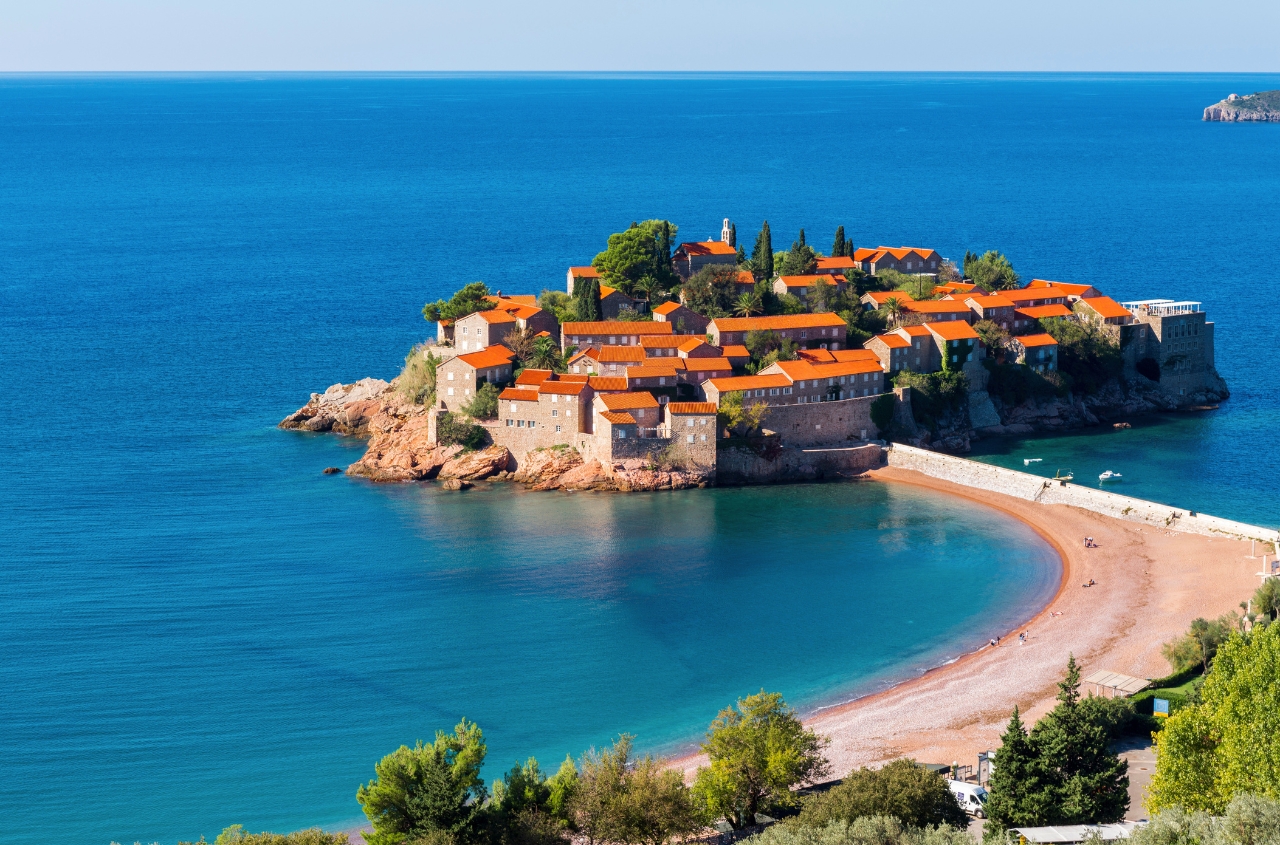

Montenegro is officially introducing a visa regime for Russian citizens as part of its commitments on the path toward European Union integration. To implement the new policy, the Balkan country has begun preparations with the support of international visa services provider VFS Global, according to a company representative.
In the coming months, Montenegro plans to open visa application centers in eight Russian cities: Moscow, Arkhangelsk, Murmansk, Petrozavodsk, Pskov, Novorossiysk, Voronezh, and Yekaterinburg.
Until the end of September, the current visa-free regime will remain in force, allowing Russian citizens to stay in Montenegro for up to 30 days without obtaining a visa.
Officials at Montenegro's diplomatic mission told RTVI that, under the country's obligations as an EU candidate, Montenegro must fully align its visa policy with that of the European Union by the end of the third quarter of 2026. Diplomats confirmed that this includes introducing visa requirements for Russian citizens.
According to the Russian newspaper Kommersant, around 230,000 Russian visitors traveled to Montenegro annually in recent years, with the country's visa-free policy serving as a key factor behind the strong tourism and migration flows.
Montenegro has held EU candidate status since December 2010. Prime Minister Milojko Spajić has previously stated that the government is gradually aligning the country's visa policy with EU rules and standards. He emphasized that, even before full EU membership, Montenegro intends to act in accordance with the Union's common visa policy.
Meanwhile, the European Commission has estimated the financial impact of Montenegro's future accession. According to Politico, citing internal European Commission calculations, Montenegro's full integration into the EU would cost the bloc's budget approximately €3 billion between 2028 and 2034.