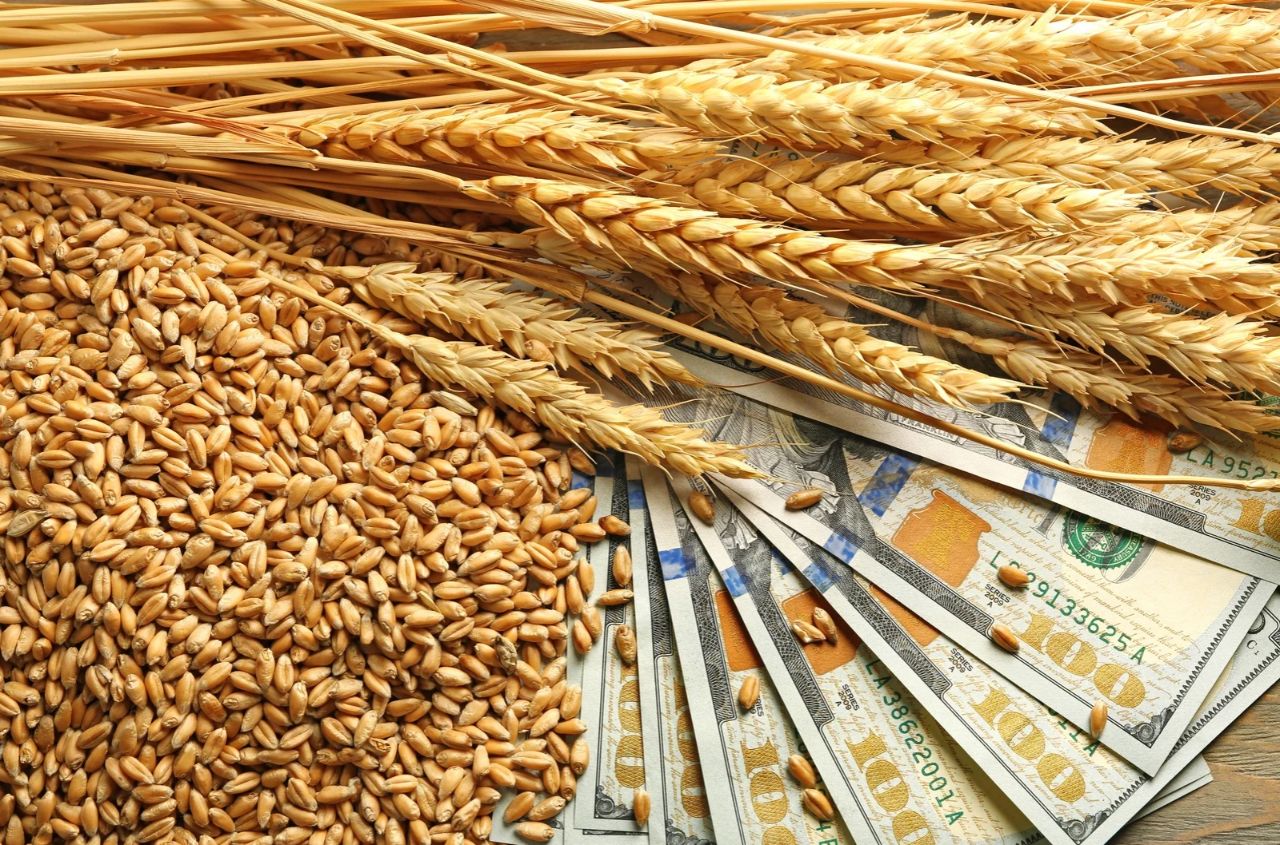




Russian attacks on civilian vessels and port infrastructure in the Black Sea have significantly restricted Ukraine’s export capacity. In September, Ukraine exported 2.4 million tonnes of agricultural products – just 46% of the required volume. Many agricultural producers have lost income due to the war and the blockade of Black Sea ports and lack sufficient resources to cover these costs.
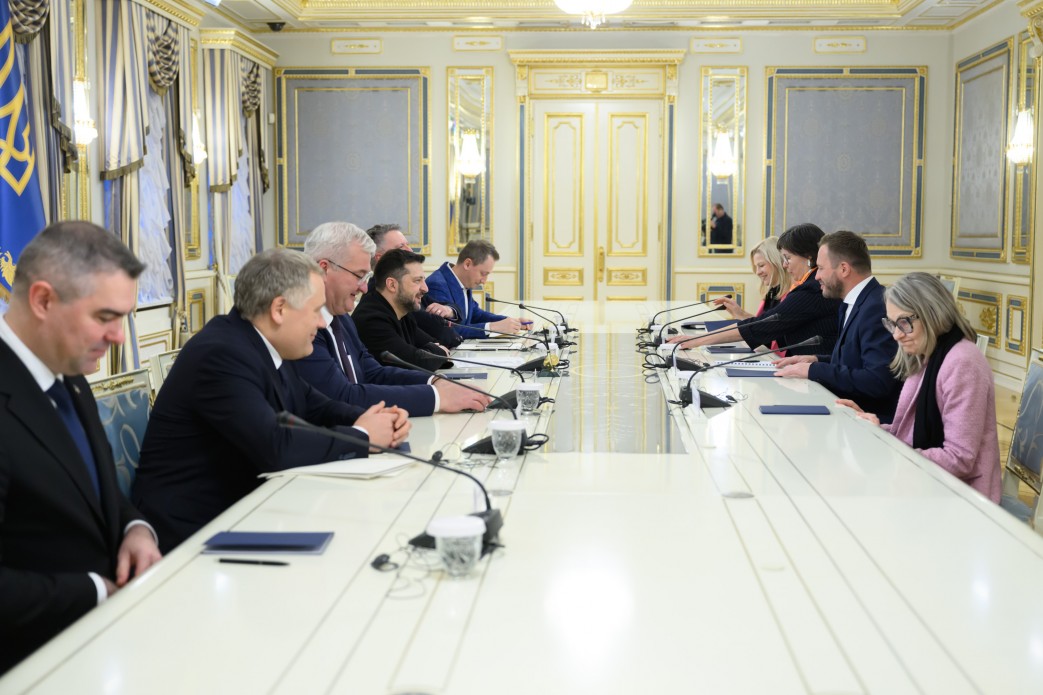
This was emphasised by Ukraine’s Minister of Agrarian Policy and Food Taras Vysotskyi during an online address at the high-level international event “Environmental and Humanitarian Consequences of the War in Ukraine: Black Sea Perspectives and Implications for Europe”, held in Copenhagen.
According to the minister, Ukraine has redirected cargo flows through Danube ports, railways and road routes, including through the EU’s Solidarity Lanes, to maintain supplies. However, the capacity of alternative routes is limited, while logistics costs are significantly higher. Additional transportation costs amount to €50–80 per tonne.
“This directly affects the income of Ukrainian producers: higher logistics costs mean they receive less money for crops already harvested, while still requiring financing to purchase seeds and fuel and prepare for the next sowing campaign. If the export situation does not improve, some farms may face difficulties financing production in 2027,” Taras Vysotskyi stressed.
The minister noted that Ukraine expects to harvest more than 80 million tonnes of grain and oilseeds in 2026, of which approximately 60 million tonnes are intended for export. Before the blockade, most of these shipments passed through Ukrainian Black Sea ports.
Another consequence of agricultural export delays is the accumulation of produce in storage facilities. If restrictions on maritime exports persist, more than 30 million tonnes of agricultural products could remain unexported by the end of the current marketing season in June 2027. This creates additional risks given the country’s limited storage capacity.
Taras Vysotskyi also drew attention to the international dimension of the problem. Ukrainian grain is an important source of food for countries in Africa, Asia and the Middle East. Delivery delays force importers to seek alternative suppliers and incur additional transportation costs, while also posing risks to global food security.
The minister also highlighted environmental risks to the Black Sea.
“Attacks on vessels and port infrastructure increase the risk of fuel spills and other forms of pollution. Ukraine needs reliable monitoring of water quality and seabed conditions in affected areas and is interested in technical cooperation with experts from Baltic countries, particularly in preventing environmental disasters,” Taras Vysotskyi said.
Among Ukraine’s immediate priorities, the minister identified ensuring safe and predictable navigation in the Black Sea, strengthening the EU’s Solidarity Lanes and considering temporary compensation for the additional costs of transporting agricultural products via alternative routes.
The event was organised in partnership with Aarhus University, MUNI RISK, the SAFE-BS2BKS project, the Baltic Marine Environment Protection Commission (HELCOM) and the Council of the Baltic Sea States (CBSS), with support from the latter.