


The current stage of world-system conflicts is a struggle for the logistics routes of the New Eurasia.
Ideally, the United States and the United Kingdom seek to maintain control over maritime communications.
China aims to develop coastal maritime routes along its controlled coastline, as well as internal Eurasian land transport corridors.
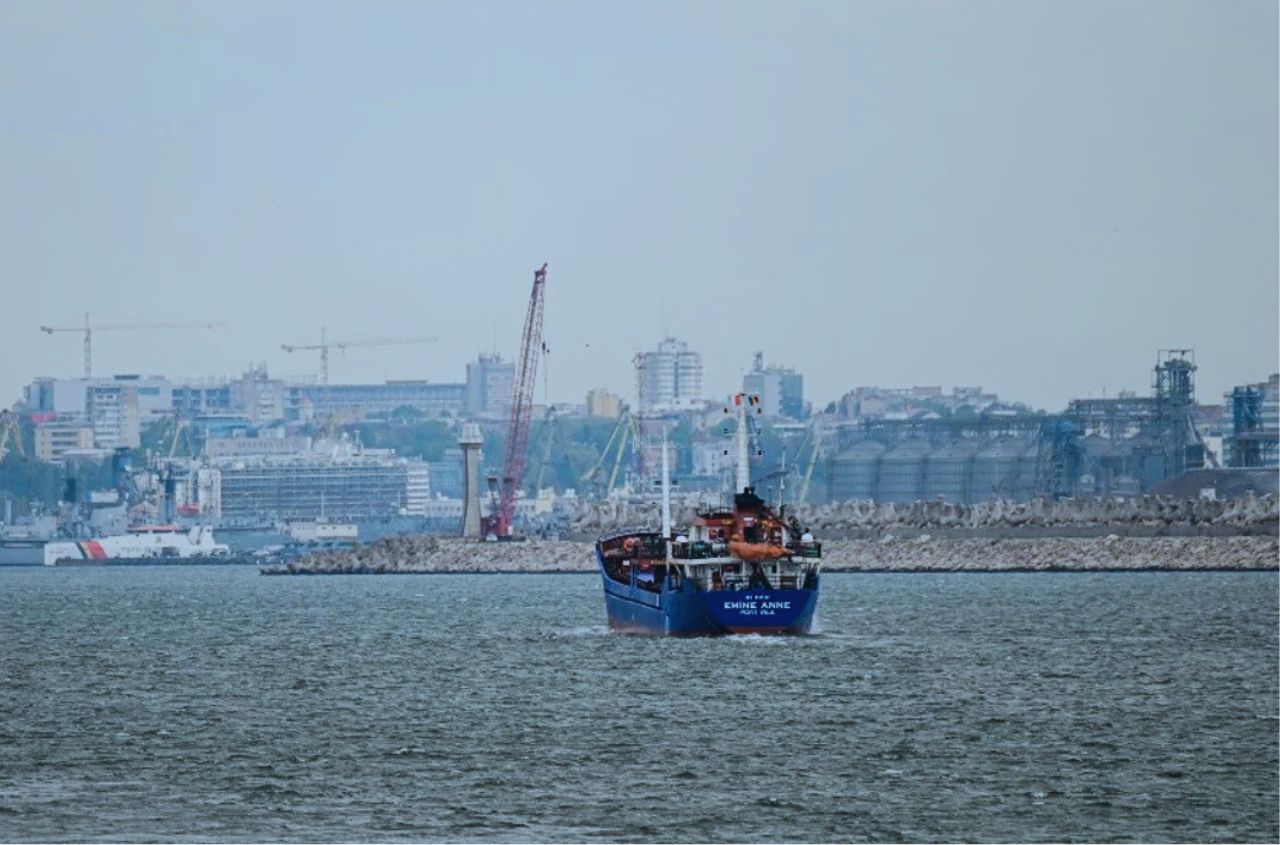
The burning terminals in Ust-Luga and Novorossiysk represent the “cutting off” of Russia’s Baltic and Black Sea transport corridors.
However, both the Ust-Luga and Novorossiysk terminals are “ziggurats of the past” — remnants of the era when Russian oil flows were directed toward the West.
They are monuments to a failed geopolitical chimera, burned in the fire of the first world-systemic war.
Russia’s productive forces will shift eastward, beyond the Urals, under the protection of the “Great Chinese Wall.”
The United States is rushing to launch global projects in the Arctic, seeking to prevent China’s incorporation into the Arctic geopolitical operational zone.
The war with Iran and the attempt to take control of the Zangezur Corridor represent an American effort to block the implementation of the North–South project.
Two options for this logistics corridor were considered:
- From Russia through Azerbaijan to Iran and further to India and China.
This route can be blocked by a “political decision” from Baku at Washington’s request.
The project will most likely be frozen due to worsening relations between Iran and Azerbaijan.
- From Russia through Kazakhstan and Turkmenistan to Iran.
Access to Iranian ports — Chabahar on the Gulf of Oman and Bandar Abbas.
The Chabahar port is located outside the Persian Gulf and the Strait of Hormuz and can therefore be used even amid a permanent state of conflict in the Gulf.
Moreover, a network of railway routes could connect Iran with Pakistan (the Gwadar port under Chinese concession) and Karachi. A railway connection with India and its ports is also possible.
The United States is blocking this “breakthrough point” in the Eurasian perimeter through its confrontation with Iran.
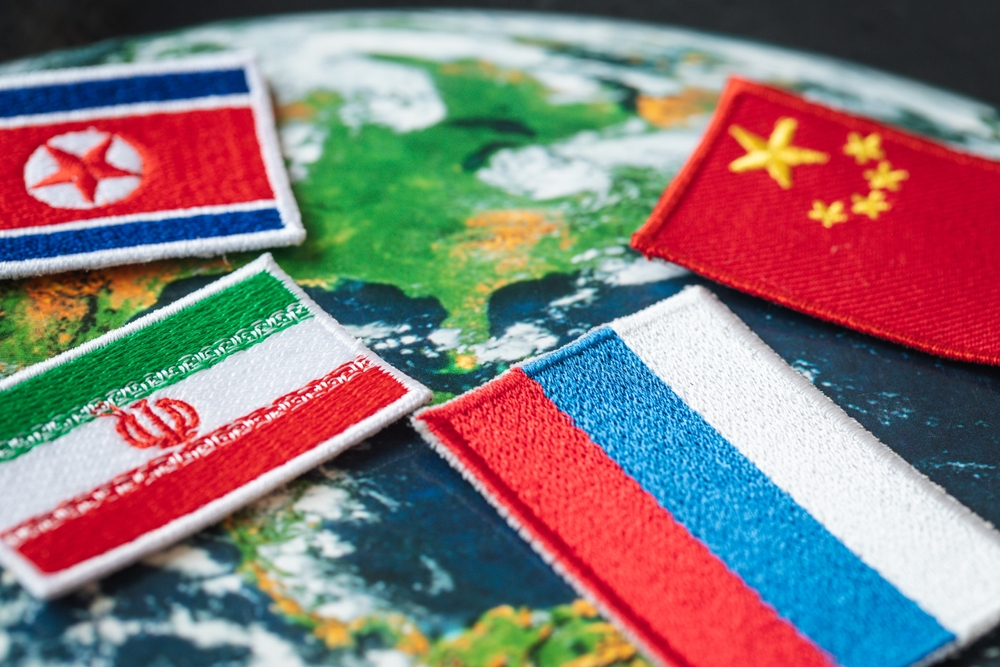
The Eurasian “global island” (China, Russia, Iran, North Korea) is left with only the direction toward Pacific ports and the development of railway networks in the Far East (Trans-Siberian 2.0).
And this is precisely the direction most beneficial to China, as it creates a portfolio of infrastructure investments: thousands of kilometres of railways, dozens of trade hubs, and multimodal logistics centres.
Therefore, the more intensively the terminals in Ust-Luga and Novorossiysk burn, the longer the North–South route (which is highly beneficial to India) remains blocked, and the stronger the confrontation between Russia and the United States in the Arctic operational zone becomes, the more investments will flow into “Yellow Russia” and the Pacific logistics cluster in the Far East.
China has managed to find a format in which the war of maritime empires — thalassocracies — ultimately strengthens its own project of a “Mongol Empire 2.0.”