

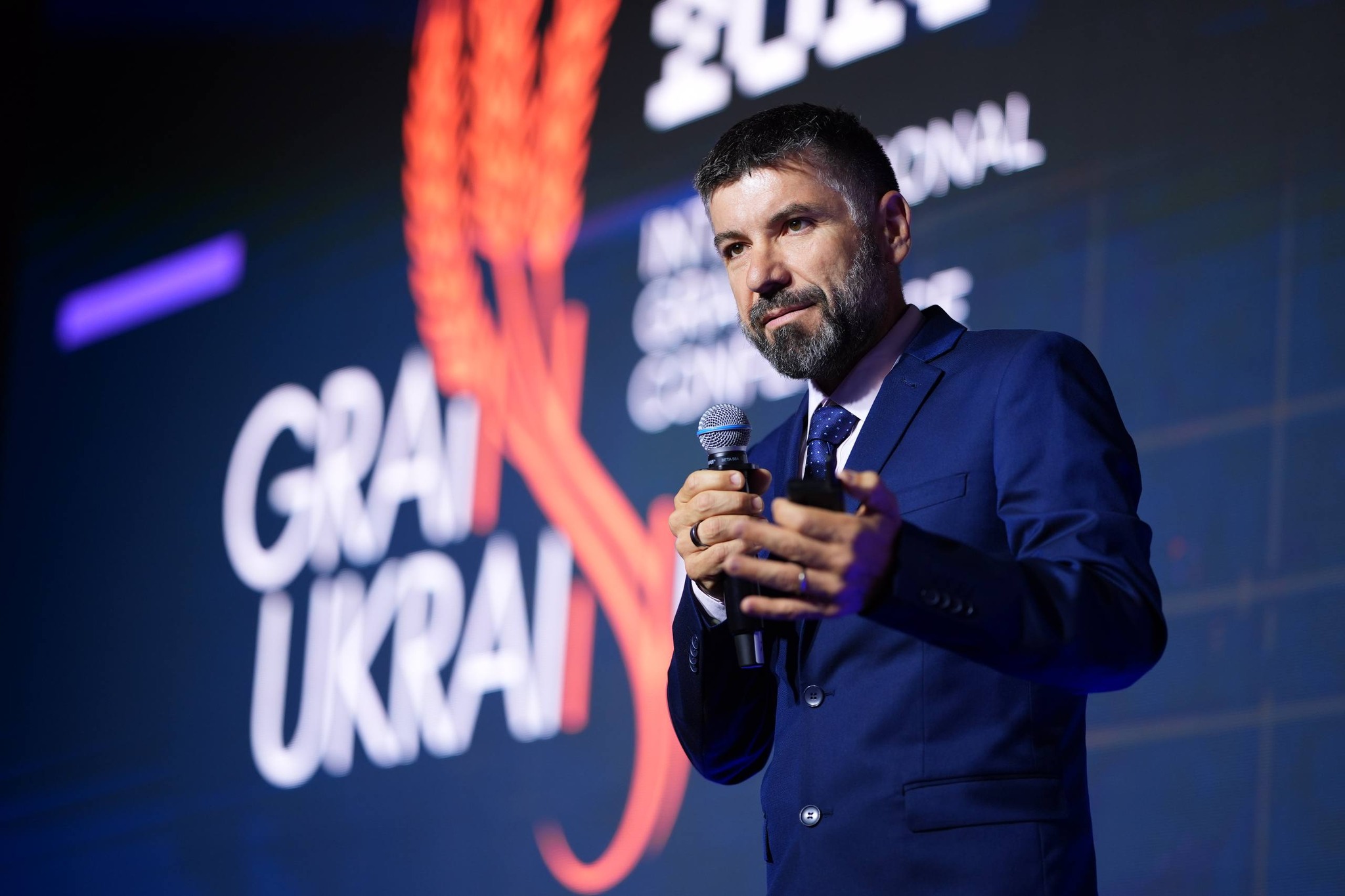

Ukraine has the potential to become one of the key hubs of the new food economy.
CAS Consultancy founder César Soares suggested looking at the agricultural sector retrospectively over the past 25 years and projecting it over the next 25 years.
His main thesis is that the world in which the agricultural business has grown over recent decades is coming to an end. Over the past 25 years, the global population has increased by 2.5 billion people. Alongside this, demand for food has grown, global trade and logistics have developed, and the main task of producers has been to ensure sufficient supply.
The next 25 years will be different. Population growth is slowing. Technologies are rapidly increasing productivity and yields. Energy, once solely the responsibility of states, is becoming a factor of strategic security.
According to Soares, if markets were previously determined by those who controlled supply, in the future demand will become the key factor. Therefore, the agricultural sector must focus not only on production volumes, but also on four strategic directions:
- energy — as a foundation of food security and competitiveness;
- protein — as a response to growing demand;
- health and new dietary habits — a factor reshaping demand for agricultural products;
- technology — from automation to artificial intelligence.
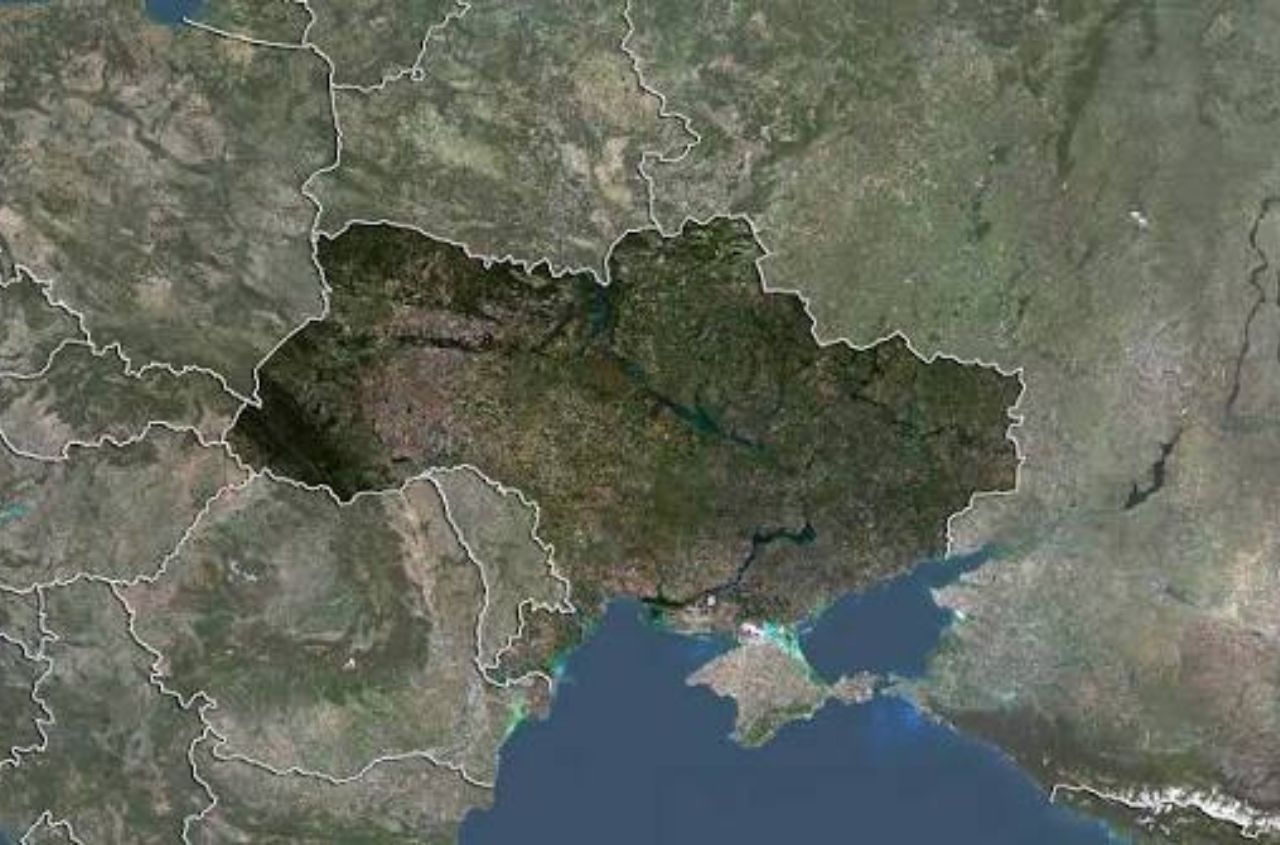
A special role in this transformation is assigned to Ukraine. In recent decades, the country has become one of the world’s leading exporters of wheat, corn, and sunflower oil. But the next stage of development, in his view, is no longer about increasing raw exports. It is about creating added value.
Ukraine has the potential to become a center for grain processing, bioenergy production, technological proteins, and innovative food products. The combination of agricultural expertise, the tech sector, and the development of artificial intelligence could open a new leadership role for the country in the global food system.
However, AI alone does not create innovation and does not guarantee growth. Future competitiveness will depend on the ability to transform resources into high value-added products, efficiently manage energy, and use technology to increase productivity.
“We cannot predict the future, but we can start preparing for it today,” the speaker noted.
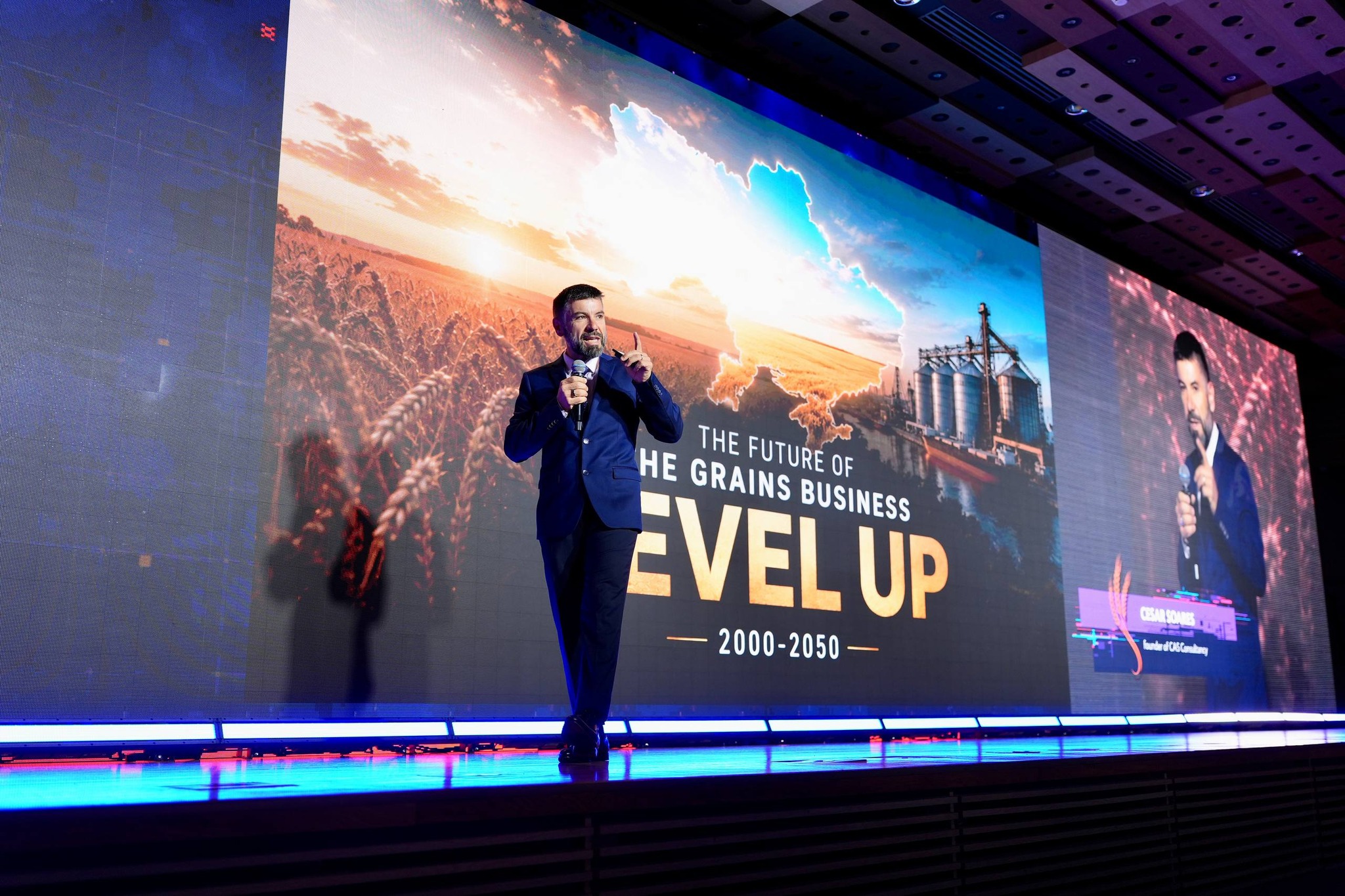
The main question for Ukraine’s agricultural sector in the coming years is not increasing production volumes, but increasing the value of what is already produced.