

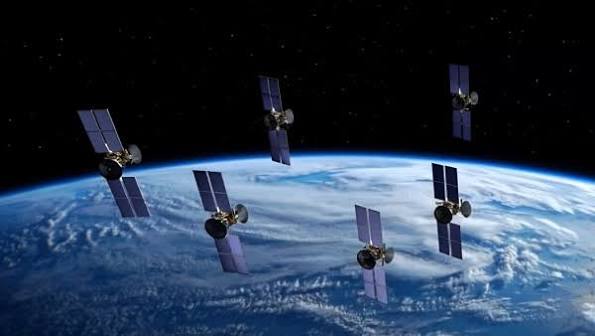

The Defence Intelligence of Ukraine (DIU) has published details of 49 Russian and Belarusian companies involved in the development of Russia's Rassvet low-Earth orbit satellite broadband communications system. The information has been published on the War&Sanctions portal.
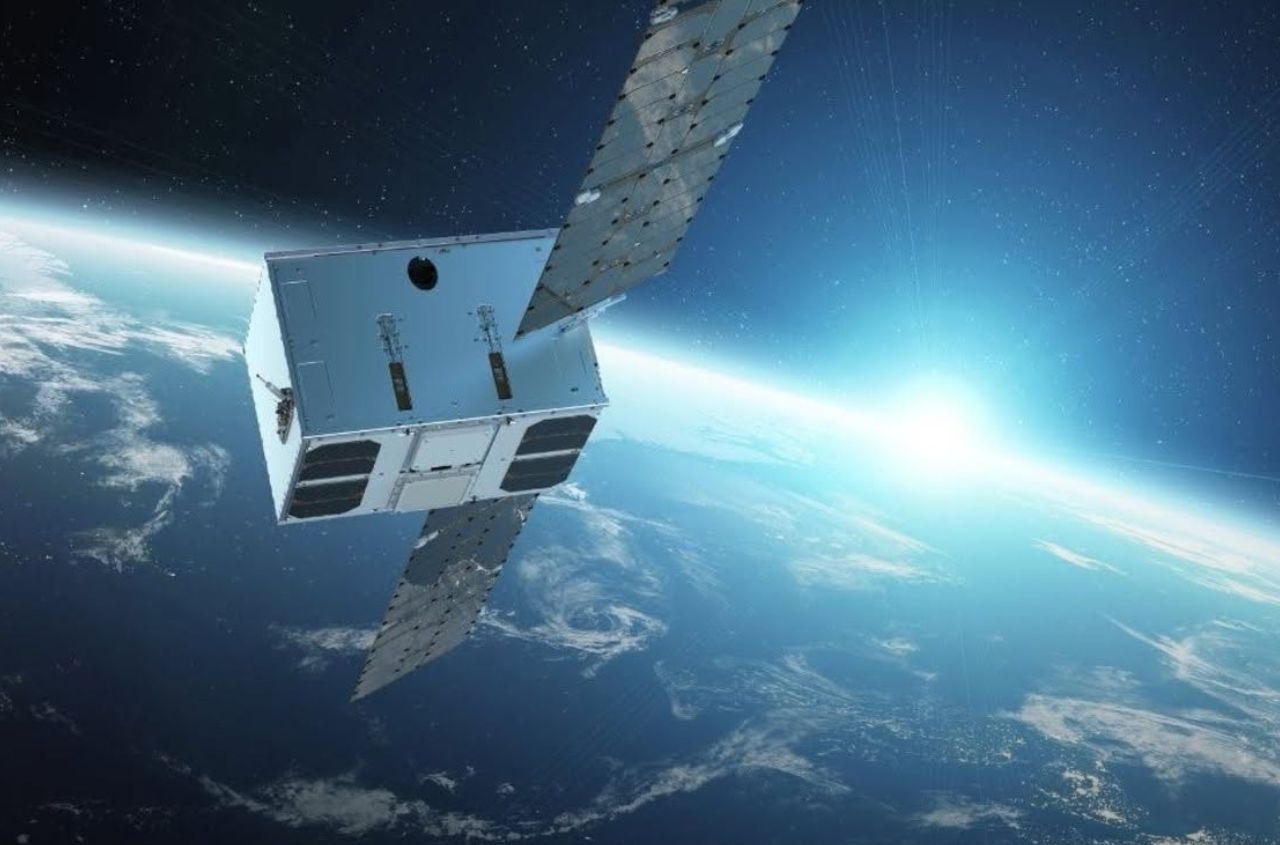
The system comprises a constellation of low-Earth orbit satellites, ground-based control infrastructure, gateway stations and user terminals designed for both stationary and mobile platforms.
The production network brings together IT companies, microelectronics manufacturers, research centres, Roscosmos subsidiaries and organisations affiliated with the Russian Ministry of Defence.
The main company responsible for implementing the project is Bureau 1440 LLC, part of the Russian IT conglomerate ICS Holding. Companies within the holding supply components and manufacture solar panels, user equipment, printed circuit boards, electronic modules and other elements of the system.
Roscosmos and other Russian aerospace companies are responsible for developing and manufacturing launch vehicles, upper stages, electric propulsion systems and other satellite components, as well as adapting the satellites, preparing them for launch and placing them into orbit.
Within Roscosmos, the Rassvet project is overseen directly by the corporation's head, Dmitry Bakanov. Before taking up this position, Bakanov headed Russia's Gonets Satellite System JSC, including during its cooperation with the British company OneWeb and the establishment of a joint venture to develop low-Earth orbit satellite communications services in the Russian market.
Organisations affiliated with the Russian Ministry of Defence are responsible for cosmodrome operations, coordination and the system's subsequent integration into Russia's military communications infrastructure.
VTB Bank was among the investors providing financial support for the development and creation of the Rassvet system.
DIU noted that 23 of the 49 companies and institutions involved, including Roscosmos itself, are still not subject to sanctions imposed by any country in the sanctions coalition.
According to Ukrainian intelligence, Rassvet is primarily intended to serve as a military communications system for Russia. In the future, Russian authorities plan to deploy it extensively for the needs of their armed forces, including strategic communications and command and control, the operation of strike platforms, equipping command posts and military vehicles with user terminals, supporting the combat deployment of unmanned systems and maintaining Russian Ministry of Defence facilities.
In particular, plans have already been identified to integrate Rassvet satellites into a space-based system providing targeting data for missile weapons and to equip command-and-staff vehicles of the Iskander-M operational-tactical missile system with satellite communications terminals.
The planned coverage area primarily includes Ukraine and the European Union. Once sufficient coverage is achieved, Russia could potentially use the system to support hybrid operations against other countries.
"It is therefore important to consolidate efforts now to disrupt the supply chains for the necessary technologies, including components, equipment and software. The companies involved must be placed on all relevant blacklists maintained by governments, banks and businesses, with a complete prohibition on cooperation and meaningful consequences for violations," DIU emphasised.