


More than 500 foreign speakers from 50 countries were involved in Russia's Doppelgänger disinformation campaign. The inner workings of the extensive network were uncovered by investigative journalists from OCCRP, Delfi and de Volkskrant, who examined a leaked database from Recent Reliable News, along with documents belonging to Russian contractors, the Social Design Agency (SDA) and ANO Dialog, according to OCCRP
Hundreds of Western politicians, former intelligence officers from NATO countries, military personnel and experts from more than 50 countries were drawn into Russia's extensive Doppelgänger disinformation campaign.
This was revealed by an international investigation conducted by OCCRP and the Estonian publication Delfi, whose journalists analysed a leaked database containing more than 500 interviews published across the network's websites following a breach of the pro-Kremlin platform Recent Reliable News (RRN).
According to the investigation, the campaign is coordinated by the sanctioned Russian PR firm Social Design Agency (SDA) and the non-profit organisation ANO Dialog, both closely linked to the Russian Presidential Administration.
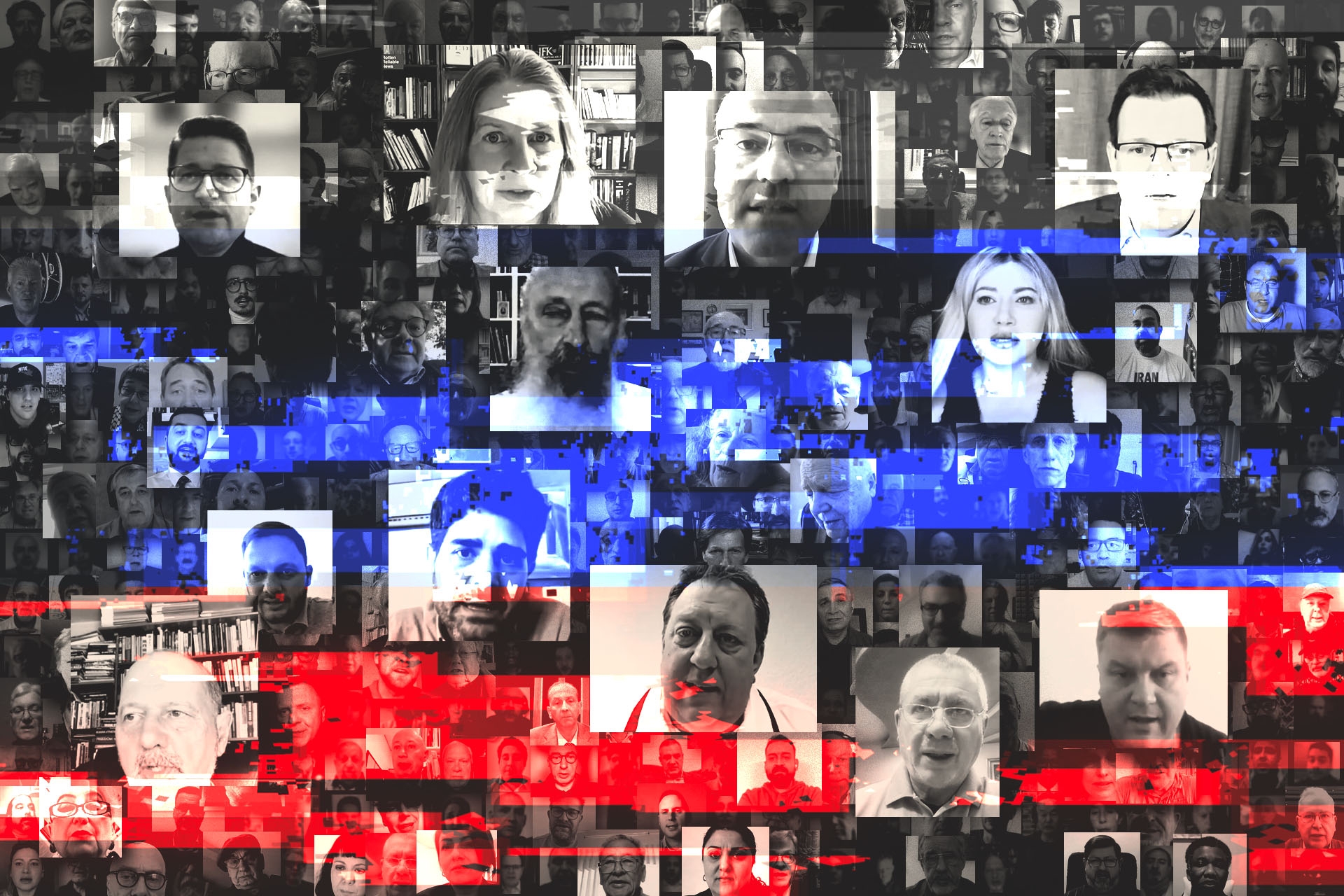
The organisers sought to deepen divisions among Western ruling elites and encourage public protests. Using multimillion-dollar budgets, influence operatives recruited foreign commentators to promote narratives favourable to the Kremlin, including criticism of military assistance to Ukraine, claims that sanctions against Russia were ineffective, and assertions about the decline of the West.
The recruitment network involved not only Russian operatives but also foreign intermediaries. Investigators identified links to Brazilian followers of ultranationalist ideologue Alexander Dugin, who arranged interviews with several Western public figures.
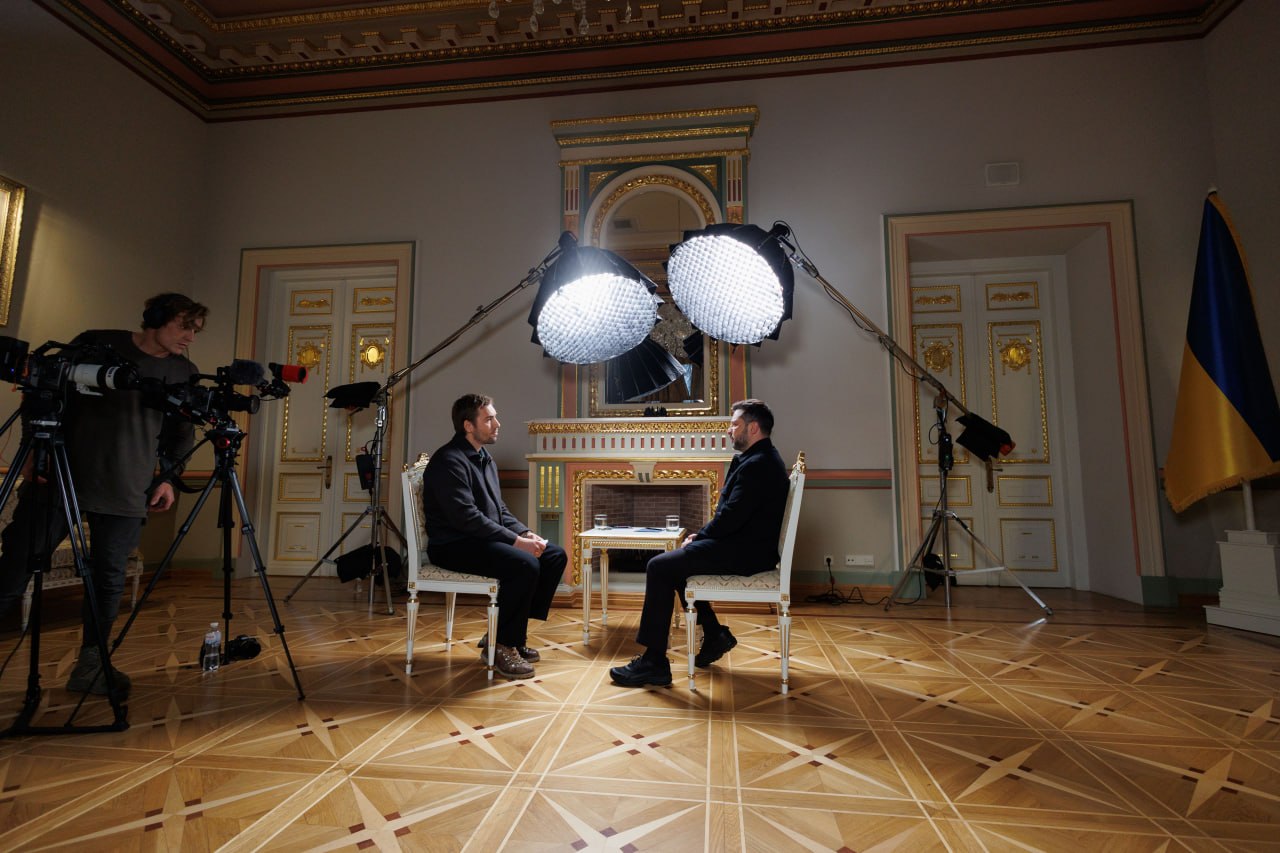
Among them was former British parliamentarian Matthew Gordon-Banks, who, along with other Western politicians, gave interviews to individuals operating under false identities or presenting themselves as independent journalists.
The recorded interviews were subsequently published on websites impersonating established Western media outlets and amplified through networks of automated social media accounts.
According to experts, despite the substantial financial investment, the campaign's primary objective was not necessarily to change public opinion but to penetrate the Western information environment and create the impression of widespread international support for Kremlin policies.
After the network's main European domains were blocked or seized, the operation partially shifted to Turkish platforms. Investigators documented continued efforts to recruit Western politicians as recently as autumn 2026.