



Ukraine’s economy is expected to contract by 0.5% in 2026 and a further 1% in 2027 as intensified Russian attacks disrupt industrial production, Black Sea exports and energy infrastructure, according to an updated forecast released by Dragon Capital on 8 October.
The investment company sharply downgraded its previous projections of 1.5% growth this year and 0.5% growth next year, citing the economic consequences of Russia’s military escalation since July.
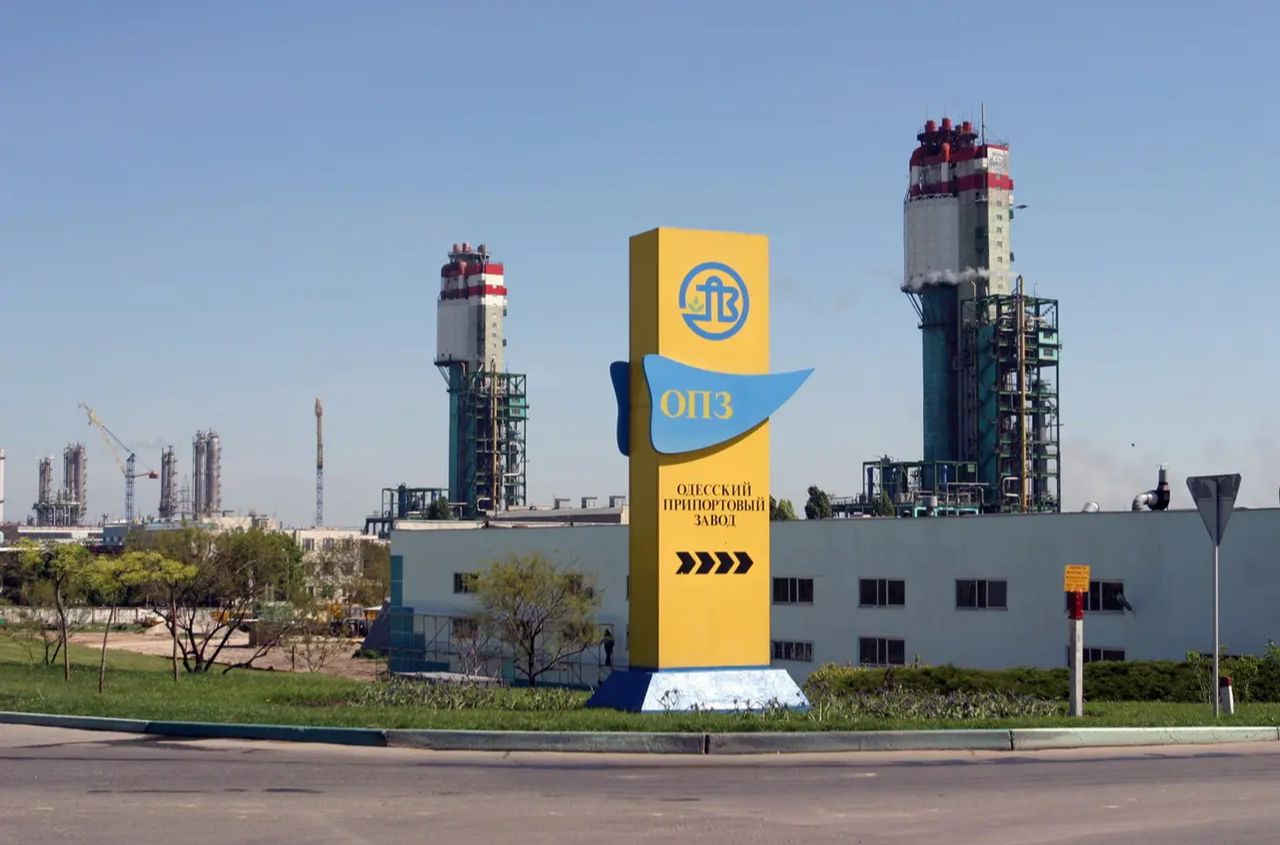
Black Sea shipping has effectively stopped, while Ukrainian steel producers have suspended operations following ballistic missile strikes and the threat of further attacks. Damage to warehouses, logistics centres, railways and energy facilities has added pressure on economic activity.
Dragon Capital estimates that the blockade of Black Sea ports could reduce real GDP by 2.2%, even with some agricultural exports redirected through Danube ports. If maritime grain exports resume before the spring planting season, the estimated loss could fall to 0.7%. The suspension of steel production and reduced iron ore extraction could cost another 1.5% of GDP.
The company expects Ukrainian air defences to become more effective against jet-powered drones, although shortages of ballistic missile interceptors will remain a major challenge. It considers a limited agreement to restore grain exports possible next year, but sees little prospect of a broader ceasefire covering energy and industrial infrastructure.
Ukraine’s trade deficit is now forecast to reach a record $71 billion in 2026, equivalent to 31% of GDP and $6.5 billion above Dragon Capital’s previous estimate. Inflation is expected to reach 10% by the end of 2026 and 8% in 2027 as damaged production facilities and supply disruptions increase business costs.
International financing remains a critical concern. Although existing programmes could provide Ukraine with $50 billion in concessional loans and grants for budget support this year, only $22 billion had been received by the end of September. Dragon Capital attributed the delays partly to slow implementation of commitments to international partners.
For 2027, the company estimates that Ukraine will need an additional $30–35 billion in external budget financing, while existing programmes currently provide for approximately $20 billion. Tax revenue losses resulting from weaker economic activity could reach $4–5 billion.
Unmet defence financing requirements, including spending outside the state budget, could be several times larger.
Dragon Capital expects international partners, particularly the European Union, to provide additional support sufficient to maintain Ukraine’s financial and exchange-rate stability without monetary financing by the National Bank.
However, the company warned that delays in fulfilling international commitments could jeopardise this scenario, leaving Ukraine increasingly dependent on external assistance as Russian attacks continue to weaken the economy.