


Germany’s Interior Minister Alexander Dobrindt has inaugurated the Joint Center for Countering Hybrid Threats, GAZ Hybrid. Berlin is taking a strategic step toward the systematic integration of security structures, moving from responding to isolated incidents to continuous interagency monitoring and forecasting of threats.
The coordination of the center will be carried out by the Federal Office for the Protection of the Constitution (BfV). The platform includes the Federal Intelligence Service (BND), the National Cybersecurity Center (NCAZ), the Joint Counter-Drone Center (GDAZ), the Joint Counter-Extremism and Terrorism Center (GETZ), and the Federal Office for Information Security (BSI). GAZ Hybrid will serve as a unified coordination platform for police forces, intelligence services, and cybersecurity authorities.
Within the structure of the center, five working groups will operate: security situation monitoring, operational information exchange, countering disinformation and foreign influence, economic protection, and analytics and reporting. The official mandate of GAZ Hybrid covers the detection and suppression of espionage, sabotage, transnational repression, state terrorism, cyberattacks, the proliferation of weapons of mass destruction, interference in electoral processes, and the use of so-called “disposable agents.”
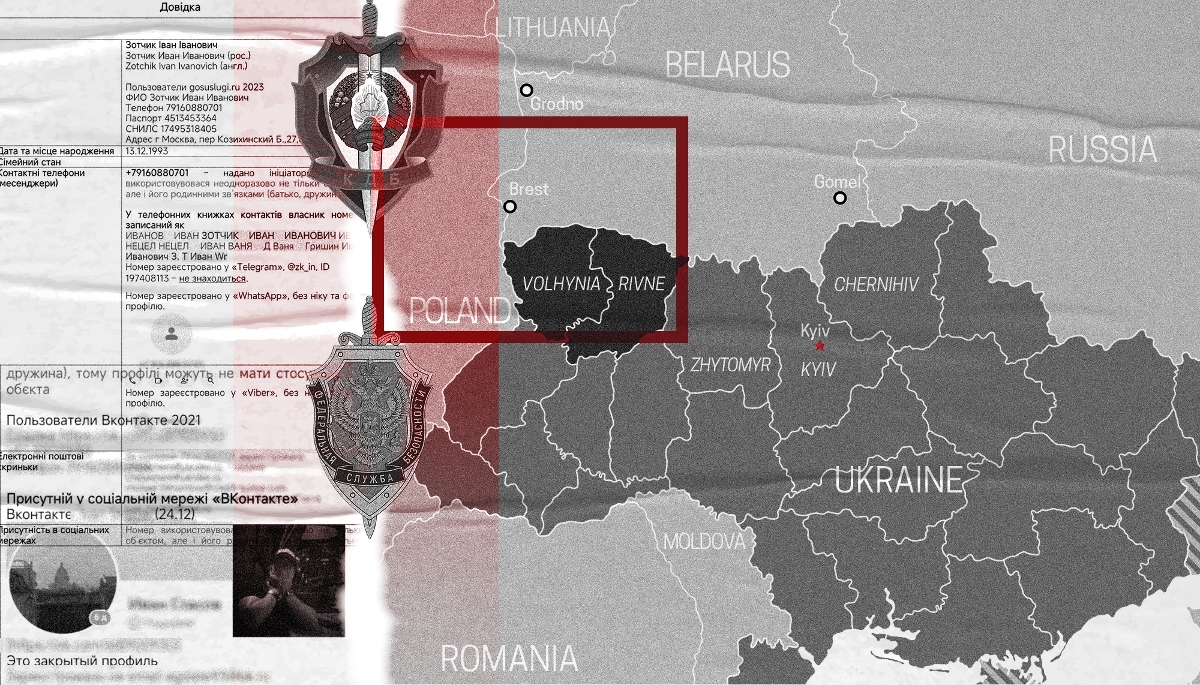
According to German security authorities, the main sources of hybrid threats remain Russia and China. Moscow views Berlin as a priority target due to Germany’s role in supporting Ukraine, its leading position in the EU and NATO, and its influence on European defense and industrial policy. Beijing, in turn, focuses on economic and technological espionage, particularly access to critical technologies, industrial supply chains, and research institutions.
The launch of GAZ Hybrid is part of a broader reform of Germany’s security sector. In February 2026, the government announced plans to expand the powers of the BND and BfV in response to growing hybrid threats, and the new center represents a practical step in implementing this course.
The creation of GAZ Hybrid reflects the steady strengthening of Germany’s security architecture: Berlin is building an institutional foundation for long-term counteraction to hybrid aggression — from protecting critical infrastructure to publicly exposing foreign influence operations.