



In 2026, Armenia may face unprecedented hybrid threats aimed at destabilizing the country ahead of parliamentary elections. According to a report by Armenia’s Foreign Intelligence Service, external security risks will become more complex and large-scale, as reported by Armenpress.
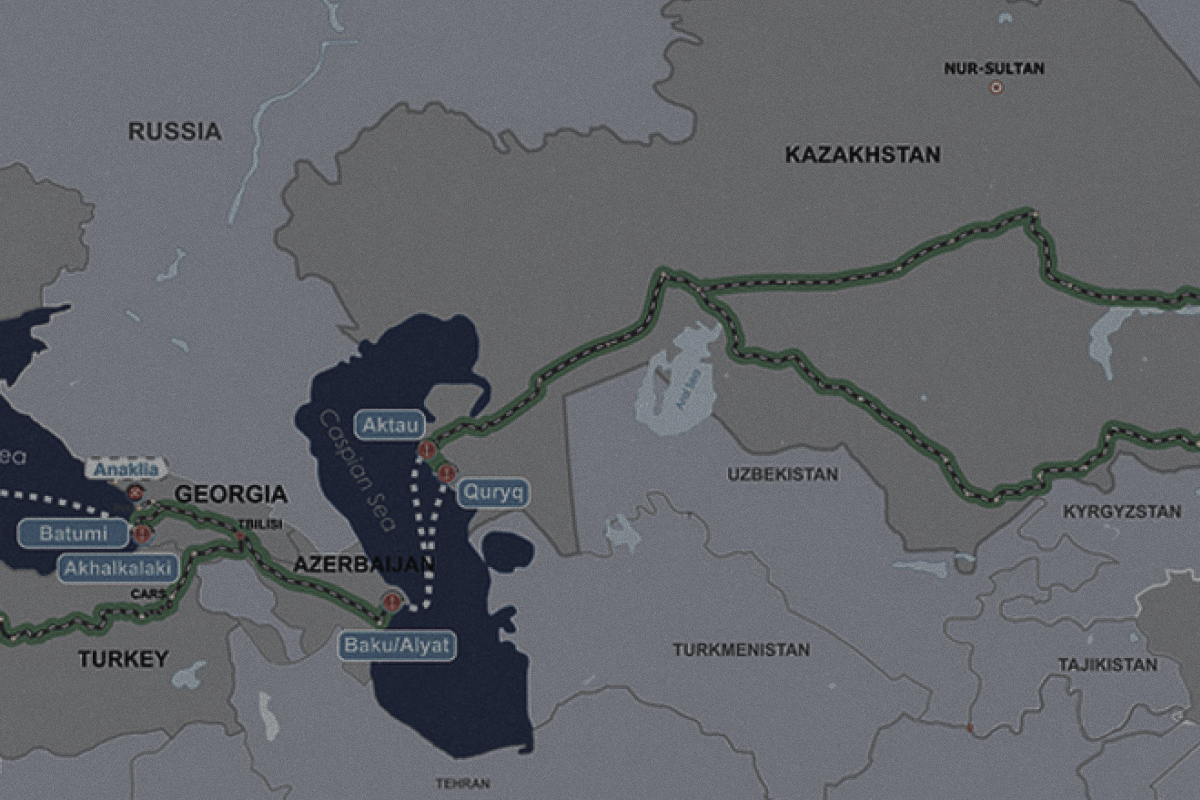
Foreign state and non-state actors are pursuing multiple objectives, ranging from discrediting achievements on the path to peace to spreading conspiracy theories about secret agreements allegedly contrary to national interests. One of the key targets of sabotage will be the implementation of the TRIPP project, which various regional players will attempt to influence.
The intelligence service identifies several main tools of aggressive interference. First, these include hostile cyber operations aimed at paralyzing critical infrastructure. Banking institutions, transport networks, power supply systems, and government digital platforms, including resources of the Central Election Commission, may be at risk. Second, an intensification of malicious information operations is expected. Intelligence officials warn about the use of artificial intelligence to create fake audio and video content, as well as bot networks that inject false narratives through proxy accounts. Disinformation will often be legitimized through official and unofficial resources of interested countries.
Of particular concern is the activation of influence agents and political figures operating under the cover of commercial, religious, and cultural organizations. External forces are using methods of political engineering by financing the creation of controlled political movements and manipulating the sentiments of young people and displaced persons from Karabakh. During the pre-election period, provocations may involve businessmen and criminal figures to organize acts of civil disobedience aimed at undermining the democratic order.
In addition, Armenia is facing economic and energy pressure. Intelligence reports indicate the creation of artificial barriers for exporters, unjustified arrests of personnel, and selective application of migration legislation against Armenian citizens, intended to generate public dissatisfaction with the current government.
The Foreign Intelligence Service defines these actions as hybrid warfare, combining military, economic, and information tools. The adversary’s main objective is to create an atmosphere of uncertainty and anxiety, paralyze the functioning of state institutions, and impose opinions favorable to external forces on society, while concealing as much as possible the direct involvement of the organizers in these operations.