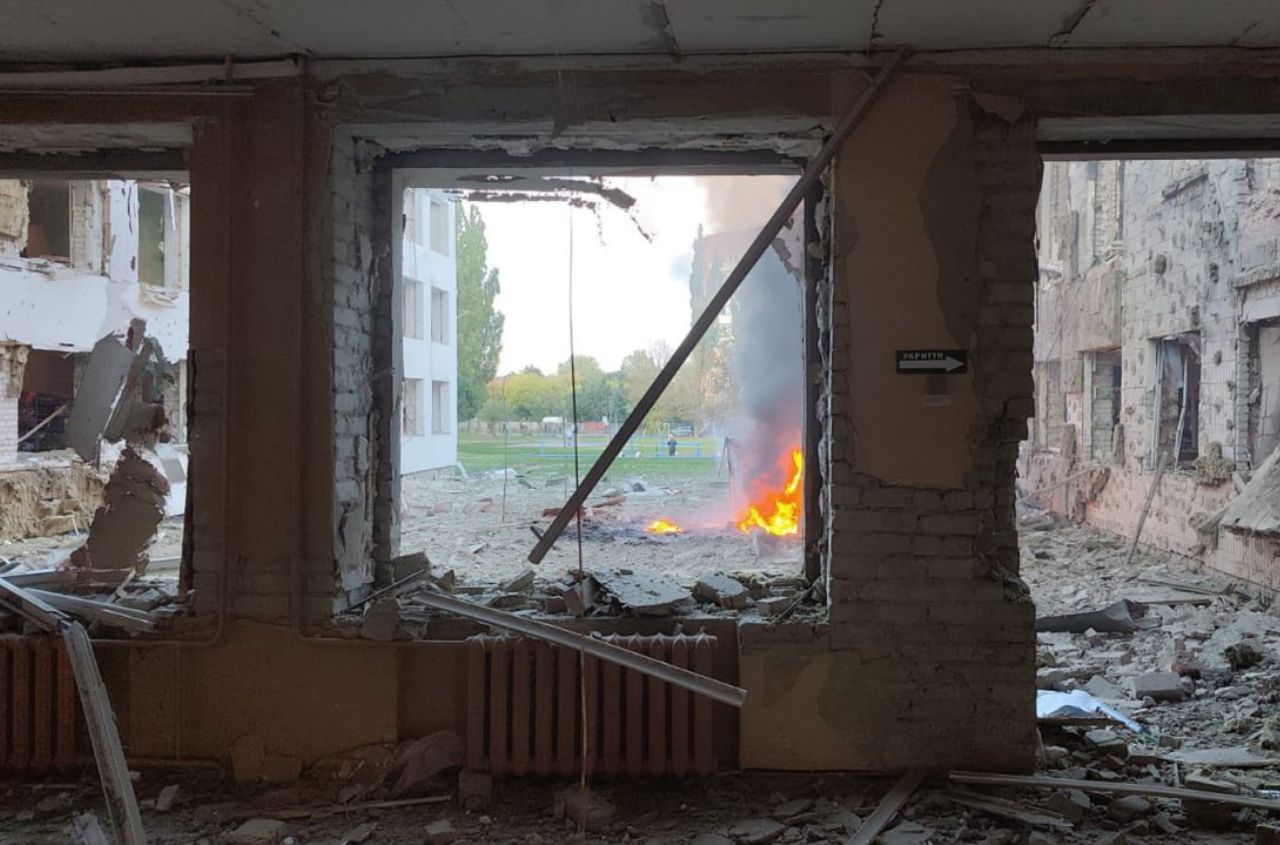



Russia's full-scale war against Ukraine has resulted in an unprecedented depletion of the country's military and economic resources, according to an assessment by the Center for Strategic and International Studies (CSIS).
By the summer of 2026, total Russian military casualties had reached approximately 1.4 million personnel, including up to 450,000 killed, CSIS estimates. Amid stalled offensives, successful Ukrainian long-range strikes against strategic targets inside Russia, and the first net territorial losses in many months, the Kremlin is increasingly losing the battlefield initiative while facing mounting economic and demographic pressures.
According to the report, Russia's death toll in Ukraine is roughly four times higher than the total number of U.S. military fatalities across all conflicts since World War II, including the Korean War, Vietnam War, the Gulf War, Afghanistan, Iraq, and subsequent military operations. Russian combat deaths also exceed Soviet losses in Afghanistan by more than 28 times, casualties from the Chechen wars by more than 18 times, and the combined losses of all Russian and Soviet wars fought after 1945 by more than ninefold.
Russian casualties continue to significantly exceed Ukrainian losses. While the casualty ratio remained between roughly 2:1 and 3:1 throughout much of the war, CSIS estimates that during the first half of 2026 it widened to nearly 8:1 due to Ukraine's expanded use of drones. Ukrainian casualties are estimated at between 525,000 and 625,000 personnel killed, wounded, or missing, including between 125,000 and 150,000 killed. Combined losses on both sides have now exceeded two million people.
The scale of Russian losses has created growing manpower challenges. In 2026, Russia reportedly suffered between 30,000 and 34,000 casualties each month while recruiting only around 27,000 new personnel monthly. CSIS attributes these losses to Russia's attritional strategy, ineffective combined-arms operations, poor tactics and training, corruption, and low morale.
The report describes Russian tactics as relying on small, poorly trained infantry units supported by armored vehicles to conduct reconnaissance-in-force missions, drawing Ukrainian fire before artillery and glide bombs target identified positions. According to CSIS, this approach has resulted in exceptionally high casualty rates.
The report also notes that SpaceX's decision to restrict Russian access to Starlink services in early 2026 disrupted Russian command and control and contributed to successful Ukrainian counterattacks. Ukraine's layered defenses—including trenches, minefields, artillery, and anti-tank obstacles—have turned large sections of the front into heavily contested kill zones, with drones reportedly accounting for more than 90% of Russian battlefield losses.
Russia's ground offensive has slowed dramatically. During major operations in the first half of 2026, Russian forces advanced an average of just 50 meters per day near Kostiantynivka, 70 meters per day near Pokrovsk, and 90 meters per day toward Sloviansk—among the slowest rates of advance recorded in modern warfare.
Capturing Pokrovsk reportedly required nearly two years of fighting following the seizure of Avdiivka, with Russian forces advancing only about 50 kilometers during that period. Between August 2025 and June 2026, Russian troops advanced only 16 kilometers toward Kostiantynivka and about 15 kilometers toward Sloviansk, remaining more than 20 kilometers from the city by early June.
CSIS compares the current pace of operations to the Battle of the Somme during World War I, estimating that advances are now 30 to 100 times slower than the maneuver warfare seen during the initial stages of Russia's full-scale invasion in 2022. Strong defensive positions have largely prevented large-scale armored breakthroughs, turning the conflict into a prolonged war of attrition along a front exceeding 1,000 kilometers.
The report says Russia also experienced its first net territorial losses since August 2024. During April and May 2026, Russian forces reportedly lost approximately 400 square kilometers more territory than they captured. Russia currently controls roughly 118,000 square kilometers of Ukrainian territory—including Crimea and parts of Donbas occupied before 2022—representing about 20% of Ukraine's territory.
Since the beginning of the full-scale invasion, Russia has captured approximately 75,000 square kilometers, but that expansion stalled during the spring of 2026. Between January and mid-March, Ukrainian forces reportedly recaptured about 400 square kilometers near Oleksandrivka and Huliaipole before expanding counteroffensive operations across several sectors.
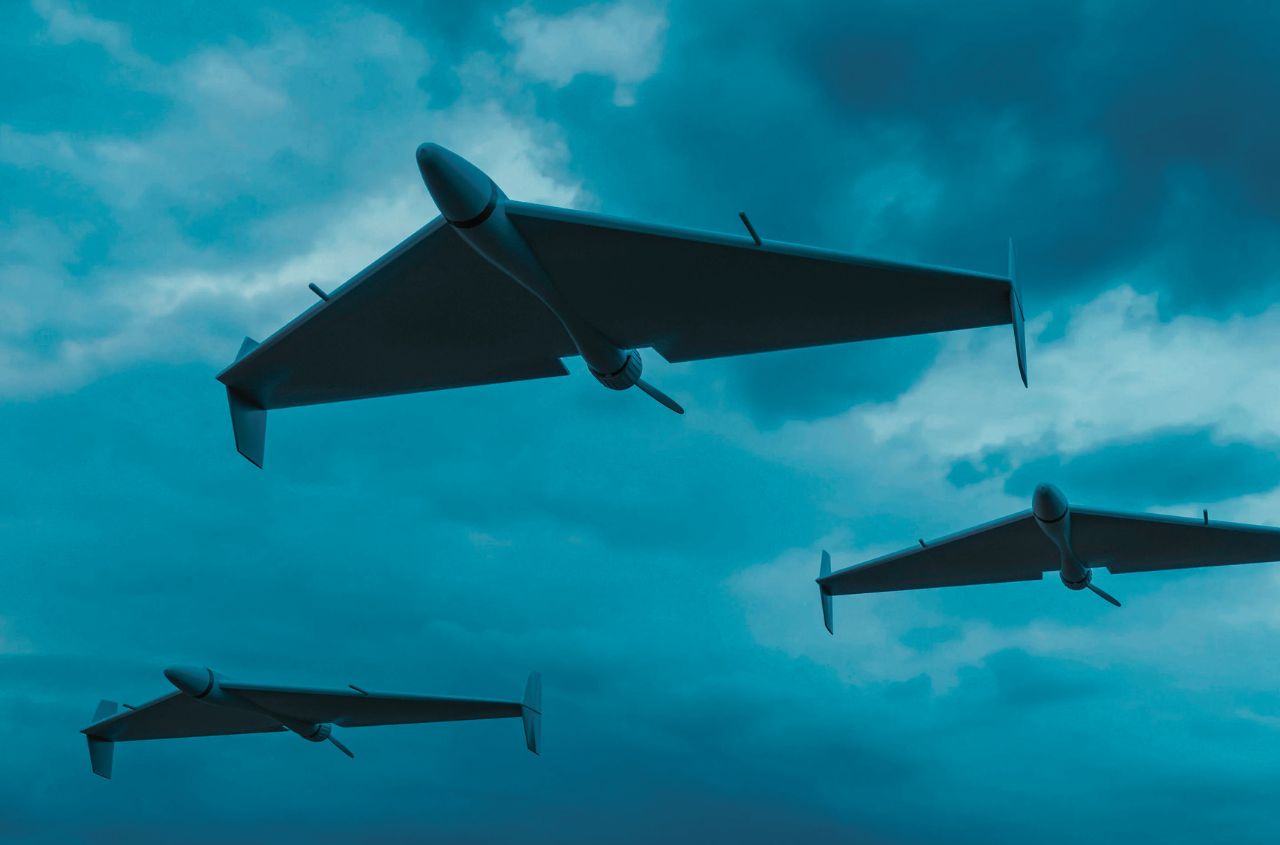
CSIS also highlights Ukraine's increasingly sophisticated long-range strike campaign targeting military and economic infrastructure inside Russia. Using AI-assisted systems developed through partnerships between Ukrainian and U.S. companies, Ukraine has reportedly fielded autonomous strike drones capable of identifying targets even under heavy electronic warfare conditions.
Among the systems cited is the Hornet autonomous drone, reportedly costing around $6,000 with a range of up to 150 kilometers. According to CSIS, onboard artificial intelligence enables the drone to analyze live video feeds, distinguish decoys through thermal signatures, and continue attacks despite satellite navigation interference. Ukraine has also deployed SkyFall systems to intercept Russian FPV drones.
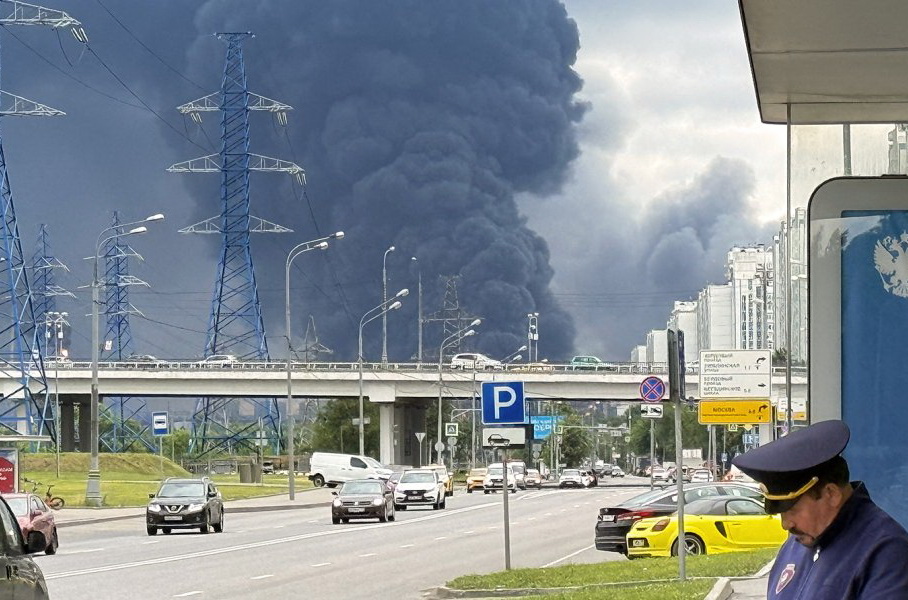
After analyzing more than 20,000 strike incidents, CSIS concludes that Ukrainian operations have primarily targeted energy infrastructure, oil refineries, fuel storage facilities, defense manufacturing plants, microelectronics factories, logistics hubs, bridges, ammunition depots, rail infrastructure, and military bases.
The report says Ukrainian strikes have reached targets ranging from areas near the border to Moscow, St. Petersburg, and even Ukrainka Air Base in Russia's Far East. These attacks have reportedly reduced refining capacity, contributed to fuel shortages, disrupted logistics, and significantly degraded elements of Russia's Black Sea Fleet. While the strikes have not crippled Russia's military entirely, CSIS concludes they have created substantial operational challenges.
The report also links President Vladimir Putin's decision to significantly scale back Russia's annual Victory Day military parade in May 2026 to concerns over Ukraine's long-range strike capabilities.
According to CSIS, ordinary Russians are increasingly experiencing the economic consequences of the war through inflation, higher taxes, internet restrictions, and growing political repression.
Despite mounting costs, the report argues that Putin remains committed to his strategic objectives: subjugating Ukraine, restoring it to Russia's sphere of influence, and weakening NATO and the European Union. CSIS notes that these objectives continue to shape Russian policy despite the increasingly high military and economic price.
The report concludes that Russia retains substantial manpower reserves and a wartime economy under significant pressure but not yet on the verge of collapse. Given the defensive nature of the conflict, Ukraine faces major challenges in rapidly liberating all occupied territories. CSIS suggests that a prolonged military stalemate leading to a ceasefire or negotiated settlement may ultimately prove the most realistic path toward ending the war.
The think tank argues that increasing Russia's financial and military costs remains the most effective means of strengthening Ukraine's negotiating position. It recommends expanding Western military assistance, particularly air defense systems, while significantly tightening sanctions targeting Russia's oil revenues and "shadow fleet" of tankers through secondary sanctions on financial institutions facilitating Russian energy exports.