


The European Parliament has approved the European Union’s plan to gradually phase out Russian gas imports by the end of 2027.
High Representative of the EU for Foreign Affairs and Security Policy, Kaja Kallas, warned that if the international community succumbs to Russian pressure and fails to fully implement mechanisms to hold Russia accountable, new acts of aggression are inevitable.
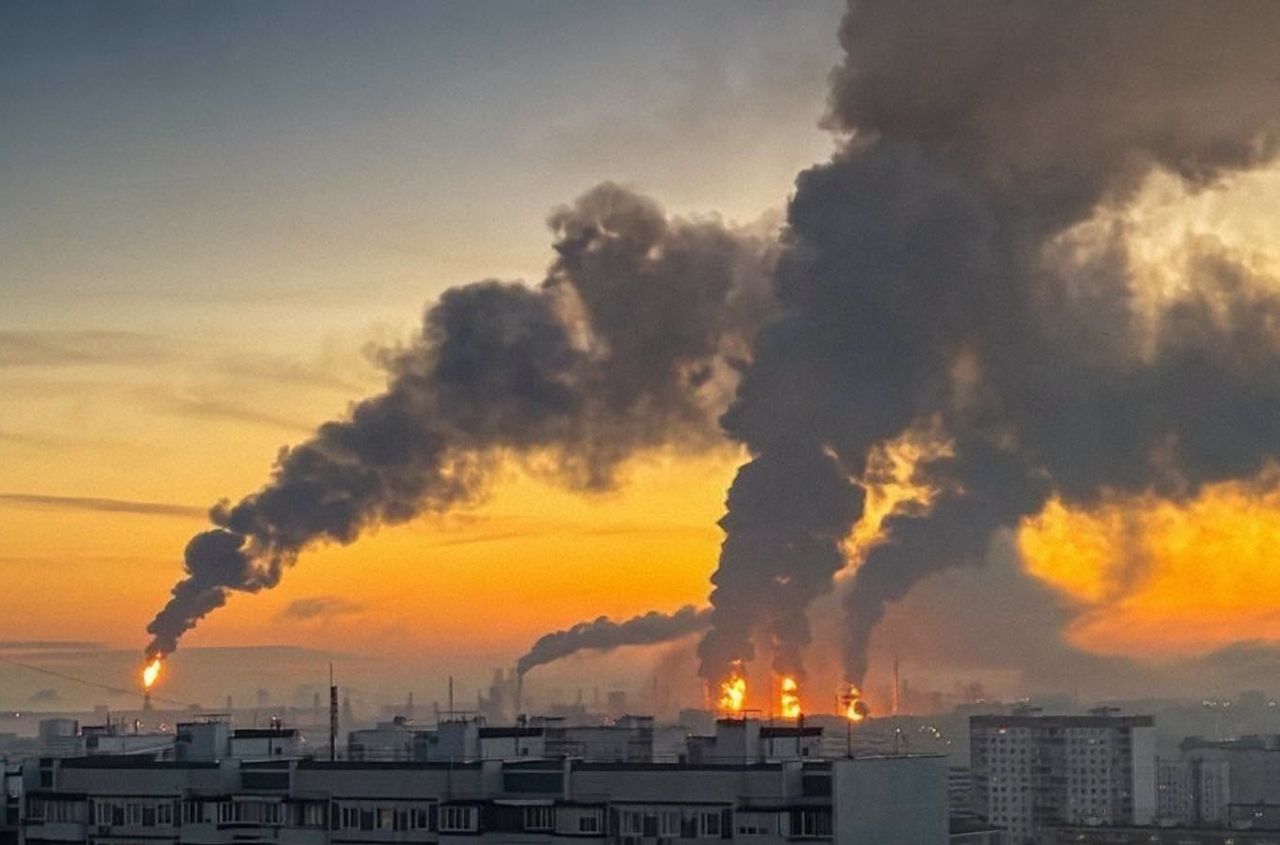
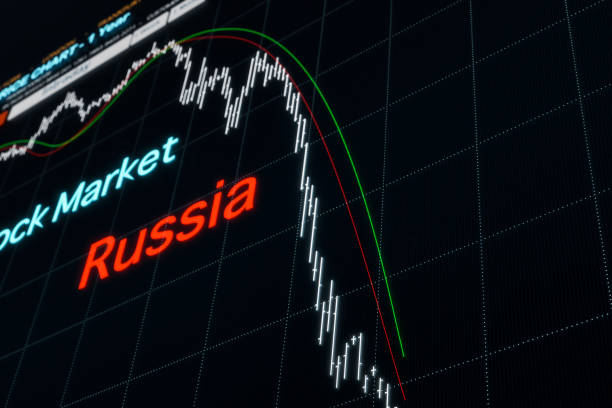
The Russian stock market showed a decline following reports of potential new U.S. sanctions targeting Russia. The United States is developing measures against Russia’s energy sector, including potential sanctions on vessels transporting Russian oil and the traders involved. These sanctions could be implemented if Russia rejects a peaceful agreement with Ukraine.
A bipartisan bill has been introduced in the U.S. Senate, proposing sanctions on the purchase or facilitation of imports of Russian oil and petroleum products.
Finland and Poland will lead efforts to protect NATO’s eastern flank from Russian aggression.
The likelihood of a successful legal challenge by Russia against Belgium over frozen Russian Central Bank assets, which Europe plans to transfer to Ukraine, is minimal. Moscow is unlikely to find a jurisdiction that would hear and rule in its favor, partly due to Russia’s withdrawal from the international legal system.
In October 2025, India imported 22.23 million tons of crude oil, 15.4% less than the same month last year. Russia’s share of India’s oil imports in October fell to 32.2% by volume.
Russian coal exports to China declined by 4% over the first nine months of the year.
Australian mining company Rio Tinto refused to recognize a decision by the Kaliningrad Regional Arbitration Court, which ordered it to pay nearly 105 billion rubles to Rusal. A company representative stated, “We categorically reject the legal process initiated in Russia due to abuse of procedural rights and will vigorously defend our position.” The dispute involves Rio Tinto’s Queensland Alumina Limited (QAL) plant in Gladstone, where Rusal held a 20% stake and Rio Tinto 80%. In April 2022, QAL, responding to Australian sanctions, revoked Rusal’s right to process alumina at the plant, excluding the company from the project. Rusal attempted to challenge QAL’s decision in Australian courts but lost.
The Kenyan government successfully repatriated 18 citizens who had been recruited in Russia to participate in the war against Ukraine. Authorities have already canceled licenses for more than 600 unscrupulous agencies that sent Kenyans to Russia.
Latvia’s National Electronic Mass Media Council has decided to restrict access to ten more internet resources spreading Russian propaganda.
“All key risks for the development of the Russian economy have materialized in 2024–2025,” writes the Institute of National Economic Forecasting of the Russian Academy of Sciences. Due to unfavorable demographic trends, the labor market deficit is worsening, technological lag behind developed countries and China is increasing, revenues from hydrocarbon exports and raw material rents are declining, defense spending is rising, and sanctions pressure is intensifying. In this situation, balancing the budget is possible only by limiting expenditures, which, combined with a high key interest rate, “determines a worsening of the economic situation in 2026.”
Inflation expectations among Russians have risen to a ten-month high of 13.7%. Inflation expectations are one of the key factors considered when setting the central bank’s key rate.
Russians have been warned about a sharp rise in the cost of new apartments, expected to increase by 13–15% in 2026 compared to 2025.
The profitability of egg production in Russia from January to September 2025 was only 5.5%, nearly seven times lower than the same period last year (38.81%). Egg sales grew by 10% in volume but fell by 13% in revenue.
During the first nine months of 2025, the volume of new business in Russia’s special equipment leasing market fell by 48% compared to the same period last year.
Every second car owner in Russia in 2025 purchased counterfeit spare parts. The largest share of counterfeits is traditionally among motor oils and filters, but a new trend has emerged with poor-quality chassis parts, automotive electronics, and even internal combustion engine components appearing on the market.
The number of inventions and know-how produced by Russian science continues to decline despite government demands to rapidly replace Western technologies and achieve “technological sovereignty.” The number of patents issued in Russia since the start of the full-scale war against Ukraine has decreased by 25%, returning to the lowest levels since the 2000s.
The Russian Prosecutor General’s Office has declared the Dutch legal aid organization Stichting Justice Initiative (SJI) undesirable in Russia.
“Deputies will introduce a bill to the State Duma imposing fines for distributing films that discredit ‘traditional values,’” said Anton Nemkin, a member of the Duma Committee on Information Technology. The law may be interpreted broadly and could mark a return to Soviet-style censorship. Violations of Roskomnadzor’s content removal requirements would incur fines of up to 20,000 rubles for individuals, 200,000 rubles for officials, and 1 million rubles for legal entities. For repeat offenses, fines increase to 300,000 rubles for individuals, 800,000 rubles for officials, and 5 million rubles for legal entities.
Since the beginning of the 2025/2026 heating season, at least 123 cases of heating shutdowns in residential buildings due to utility failures have been recorded in Russia. The highest number occurred in Sverdlovsk Oblast (at least 12), as well as Rostov (8 cases) and Irkutsk (5 cases) regions.
The government commission for electricity development may consider banning cryptocurrency mining in Russian regions to stabilize power supply. Such a ban has been supported in Buryatia. In three neighboring regions – Irkutsk, Zabaykalsky Krai, and Buryatia – the deficit reaches almost 3,000 MW.
Mortality in Russia typically rises by an average of 24% during the New Year holidays.
Currently, about 800 private clinics across Russia have ceased performing abortions, often under pressure from authorities and the Russian Orthodox Church.
“The ideas of democracy are a Western perversion imposed on us, which we must resist,” said State Duma deputy Mikhail Delyagin from the “Fair Russia” party.
Belarus’s GDP growth continues to slow. Over the first nine months, growth was 1.6%, and for ten months, 1.5%, compared to a government forecast of 4.1% for 2025. The GDP deflator index was 113%.
The industrial sector, which has been the main driver of Belarus’s economy in recent years, is performing increasingly worse than last year. From January to November, production declined by 1.7% year-on-year, with the most notable drop in manufacturing at 2.3%.
As of November 1, 2025, organizational debt in Belarus reached 117 billion rubles, with 12.5 billion rubles (10.7%) overdue. Over the year, total debt rose by 27.3% and overdue debt by 23.8%.
Subscription costs for nationwide state-propaganda media rose 5–23% over six months and 10–39% over the year.