

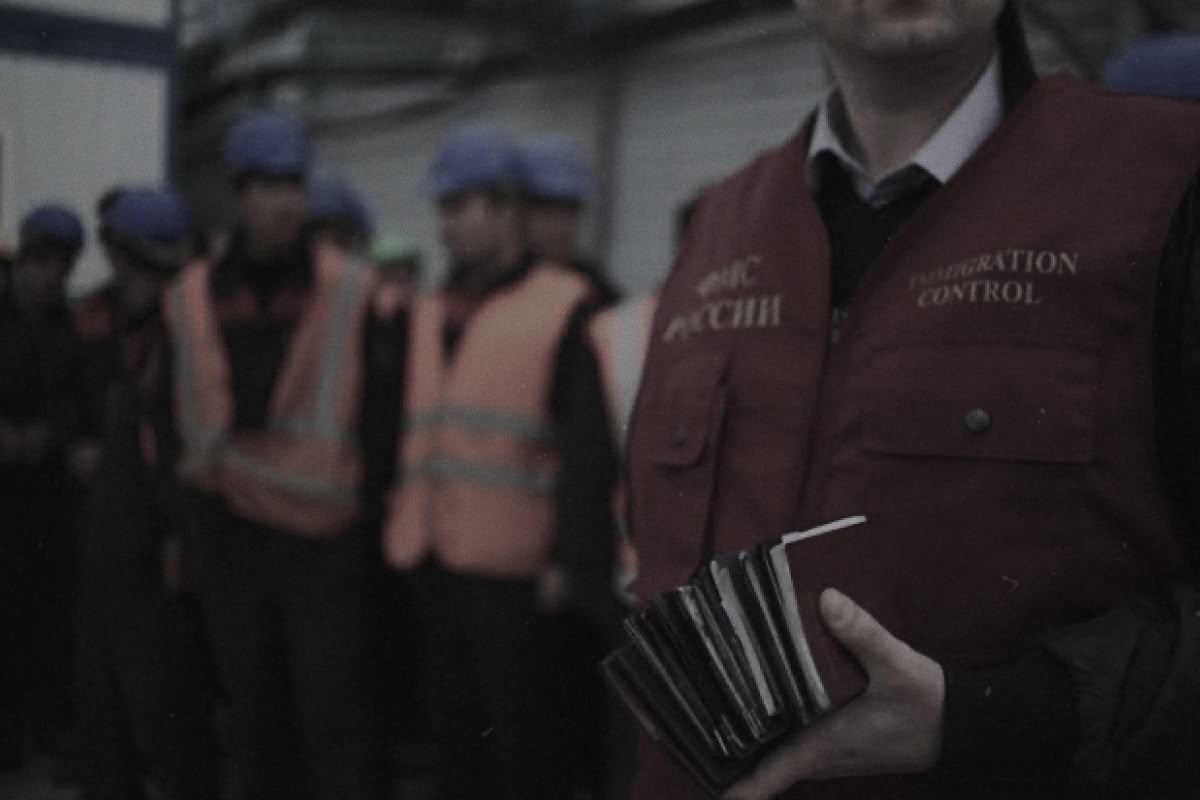

Another Kremlin initiative has failed — this time an attempt to address Russia's labour shortages by recruiting migrant workers from Afghanistan. Cultural differences, language barriers and Afghan workers' reluctance to learn Russian have reportedly undermined the plan.
Difficulties integrating Afghan workers into Russian society, security risks linked to instability in Afghanistan, where extremist groups remain active, and language barriers have effectively derailed negotiations on bringing Afghan labour to Russia.
Russia's earlier decision to remove the Taliban from its list of terrorist organisations has done little to advance the initiative. According to Zamir Kabulov, the Russian president's special representative for Afghanistan, negotiations have reached a deadlock, with the parties failing even to begin detailed discussions of the proposal.
Meanwhile, another Kremlin initiative aimed at recruiting workers from India is creating additional difficulties for Russian employers.
Russia's State Duma was expected to urgently ratify a bilateral agreement signed in December 2025 regulating temporary employment of citizens of one country in the other. Following the mass departure of migrant workers from Central Asia, recruiting workers from India is currently one of the few options available to Russia's Labour Ministry to address shortages in construction, metallurgy and agriculture.
Russia has already issued approximately 50,000 work permits to Indian citizens.
However, Russian businesses are required to provide Indian workers with living conditions no worse than those available to local residents. Employers must arrange specialised accommodation, transportation and support throughout the entire legalisation process at their own expense.
As a result, what was intended to be a source of relatively cheap labour is becoming a significant financial burden for Russian businesses.
The terms negotiated by Kremlin officials are adding to the fiscal and financial pressures on potential employers, many of whom are already struggling with substantial wage arrears.
By the end of August, unpaid wages in Russia had reached 2.42 billion roubles. Wage arrears increased by 18.9% in August alone and by 47.4% year-on-year.
The construction sector accounted for the largest share of outstanding wages at 37.8%, followed by manufacturing at 27.8%. These are also among the industries the Russian authorities are attempting to support through migrant labour recruitment.
The Kremlin's efforts to compensate for labour shortages by attracting new groups of migrant workers are therefore encountering not only cultural and security obstacles but also the Russian economy's limited ability to provide the conditions necessary to recruit and retain them.