


Russia's prolonged exploitation of the temporarily occupied territories of Luhansk region has triggered a deep crisis in the region's industrial sector, bringing its strategically important coal mining industry to the brink of collapse.
Declining coal production, deteriorating infrastructure, mine closures and mounting wage arrears have become the reality in occupied Luhansk region after years of intensive resource extraction and a complete lack of investment in modernisation.
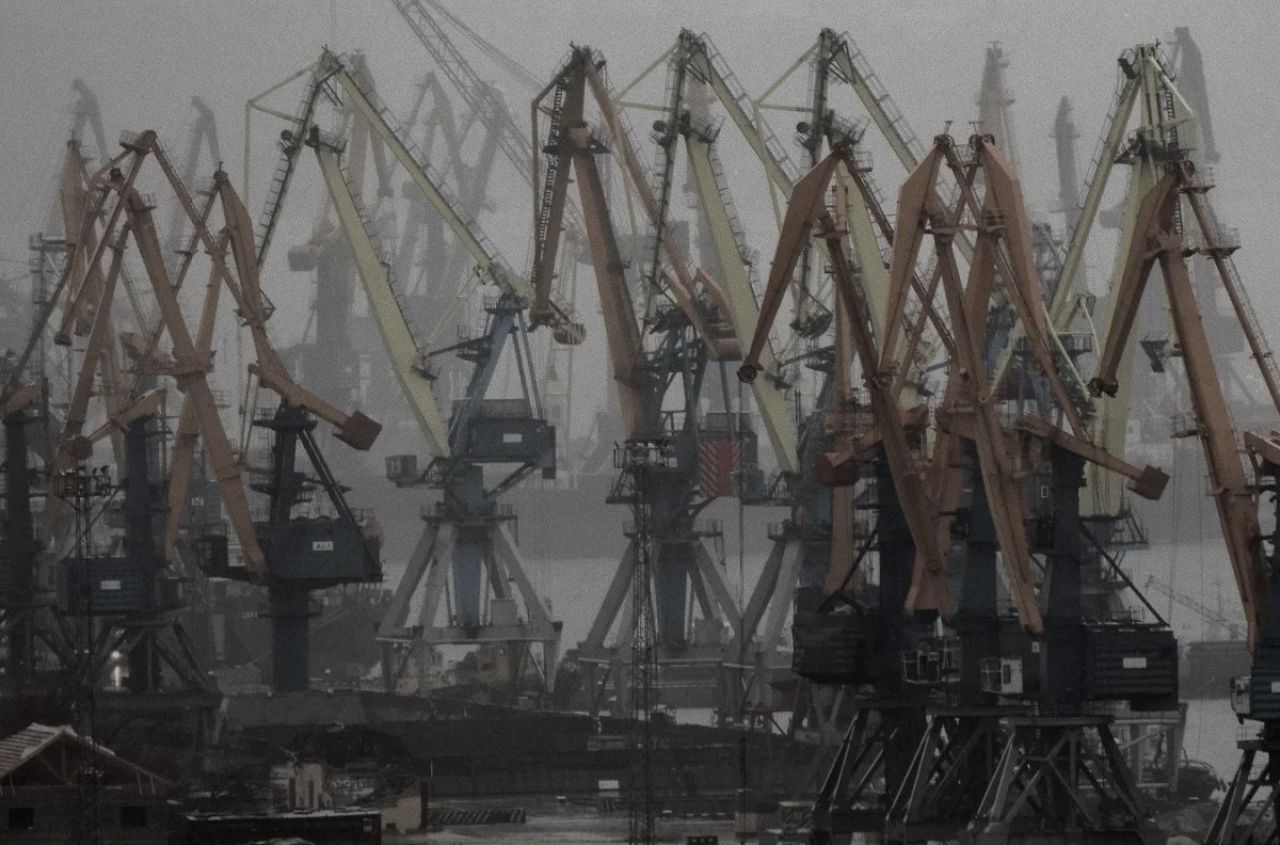
Alongside the coal industry, metallurgy, chemicals, mechanical engineering, energy production and coke manufacturing have also deteriorated in the occupied territories of Luhansk region.
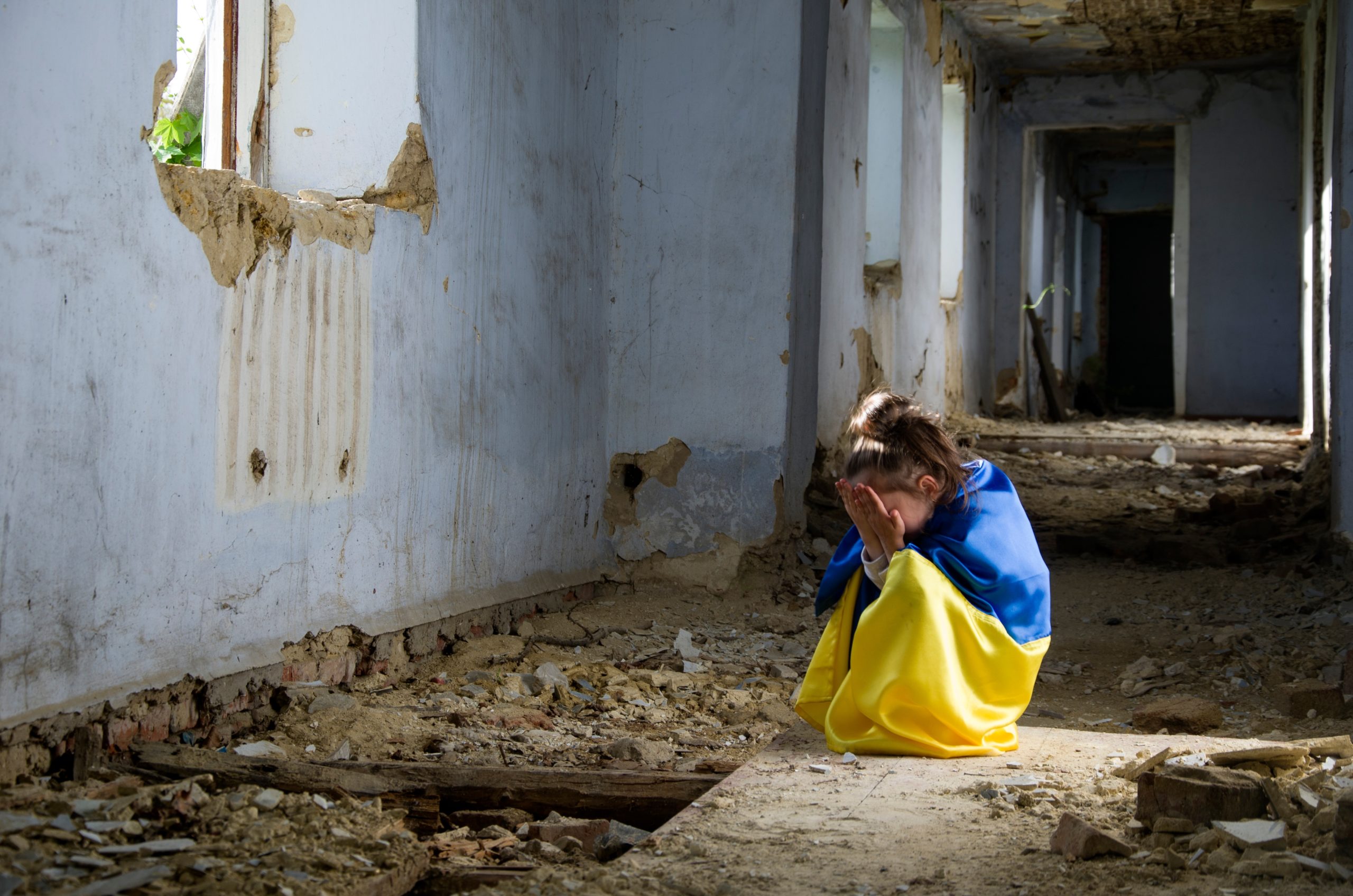
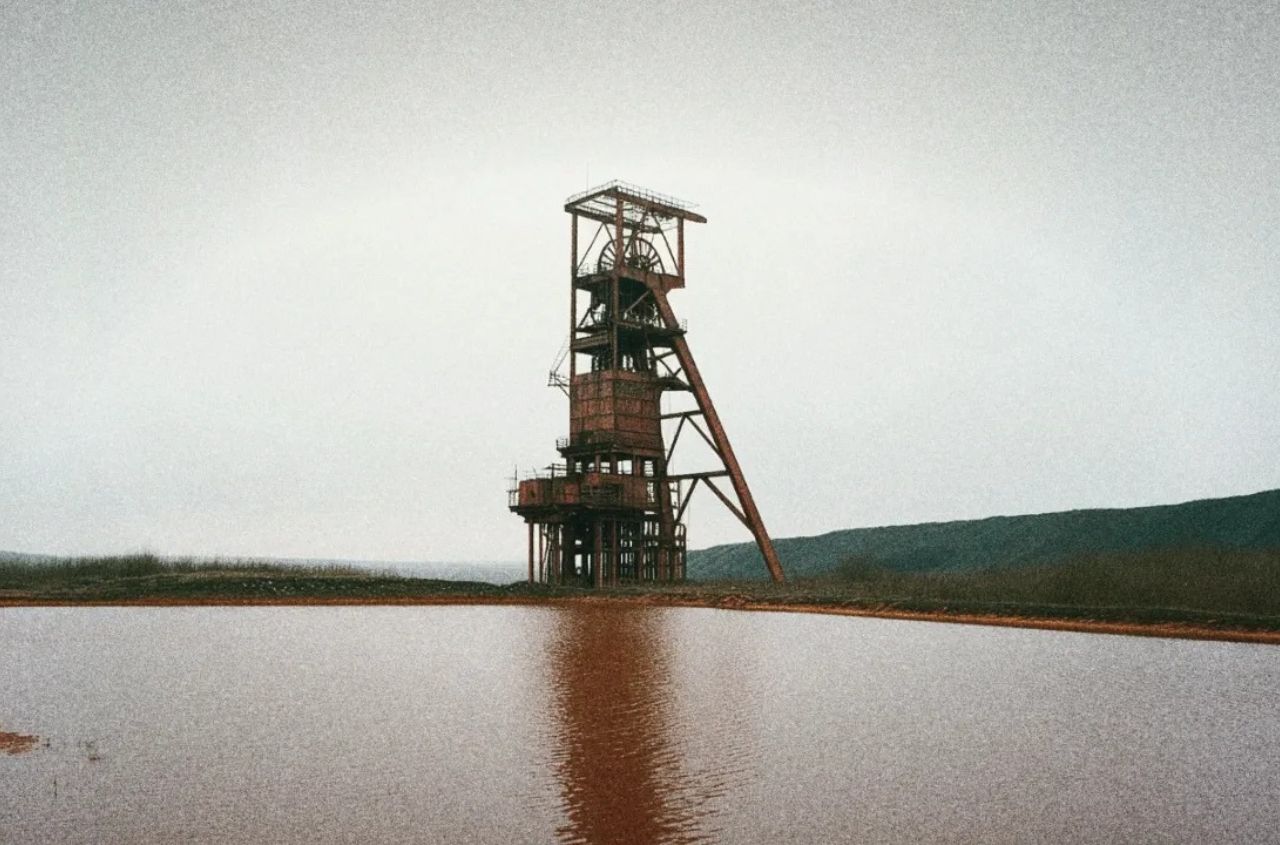
Russia has effectively transformed what was once a developed industrial region into an economically depressed territory, characterised by declining industries, flooded and abandoned mines, a devastated economy, the mass departure of working-age residents and growing environmental threats.
Further evidence of the decline of the coal mining industry in occupied Luhansk region is the closure of the Russian company Donetskiye Ugli and the significant deterioration in the operational performance of the so-called Rodina Fuel and Energy Complex, whose main asset is the seized Bilorichenska coal mine.
To continue operating, Rodina requires at least 1.5 billion roubles in additional financing.
Overall, the Russian occupation authorities in Luhansk region expect annual coal production in 2026 to fall by 65% compared with the previous year. They are also unable to meet the coal production targets planned for 2027.
The Russian occupation administration itself attributes the industry's decline to severe funding shortages, difficulties in obtaining loans, rising corporate debt, a lack of qualified personnel, mine closures and problems with active coal extraction sites.
However, these are not the underlying causes but rather the consequences of Russia's prolonged occupation.
The collapse of the coal industry in occupied Luhansk region is also accelerating the decline of other sectors of the regional economy. Processing and chemical plants are shutting down, while conditions in the energy sector continue to deteriorate.
The population living under occupation is suffering the most. Job losses and prolonged delays in wage payments are contributing to a further decline in living standards.
The lack of employment opportunities and stable incomes is forcing local residents to leave in search of work and better living conditions.
The environmental consequences of the coal industry's decline under Russian occupation also pose a serious threat.
The shutdown of water treatment and drainage systems is causing mines to flood, creating risks of groundwater contamination, land subsidence, structural damage to buildings and wider environmental degradation across large areas.
As a result, concentrations of iron, sulphates, chlorides and heavy metals in mine water are increasing. The infiltration of contaminated water into soil and underground aquifers threatens agricultural land and could restrict its future use.
The situation therefore represents not only an economic collapse but also a large-scale social and environmental crisis in Luhansk region.
Under continued Russian occupation, the region faces the prospect of further deterioration rather than recovery.