


International financial institutions, including the IMF and the World Bank, in their forecasts for 2026 describe the Belarusian economy as a system entering a phase of prolonged slowdown. Key factors remain sanctions pressure, limited access to external capital markets, and structural dependence on the Russian economy, which itself is showing signs of weakening.
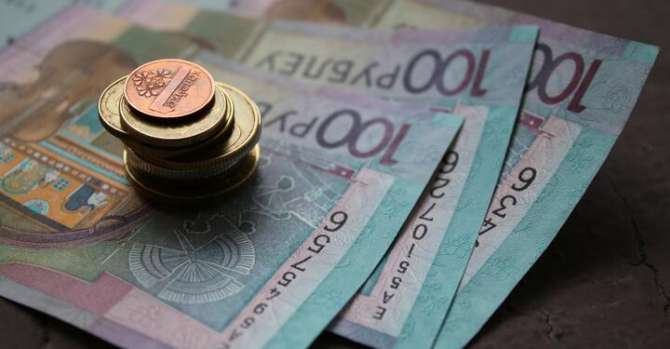
For 2026, economists consider several scenarios, none of which envisage a full recovery. The baseline scenario, regarded as the most likely, is based on weak growth amid declining demand from Russia, Belarus’s key trading partner. State investment programs and domestic consumer demand will partially offset the downturn; however, inflationary pressure will persist due to imported inflation from Russia and labor shortages. GDP growth is expected at only 1.4–1.8%, inflation at 7–7.5%, and a gradual weakening of the Belarusian ruble from 2.9 per U.S. dollar at the beginning of the year to 3.2–3.4 by year-end. Real household incomes will formally increase, but this growth will be largely inflation-driven.
A negative scenario, also considered plausible, is linked to a further deterioration of economic conditions in Russia, the extension or tightening of EU sanctions against Belarus, and the exhaustion of fiscal and monetary support tools. Under such conditions, even limited growth becomes questionable.
The positive scenario remains largely theoretical and depends on foreign policy decisions, primarily the easing of sanctions on potash fertilizer exports. Without such a step by the EU, any positive effect would be fragmented and would not have a cumulative impact.
The overall assessment by international experts is unambiguous: in 2026, the Belarusian economy will remain vulnerable and structurally constrained. Critical dependence on Russia’s economic dynamics, the lack of diversification in foreign economic relations, and sanctions pressure do not allow expectations of sustainable growth even in the medium term.