


The Armed Forces of Ukraine continue to carry out effective strikes on strategic defense industry and oil refining facilities in Russia.
Specifically, on the night of December 17, the “Slavyansky” oil refinery in Slavyansk-na-Kubani, Krasnodar Krai, Russia, was hit, according to the press service of the General Staff of the Armed Forces of Ukraine.
“On the night of December 17, 2025, Defense Forces units, using Deep Strike systems, struck the infrastructure of the ‘Slavyansky’ oil refinery in Slavyansk-na-Kubani, Krasnodar Krai, Russia. Explosions and a fire were recorded in the target area. The extent of the facility’s damage is being clarified,” the report states.
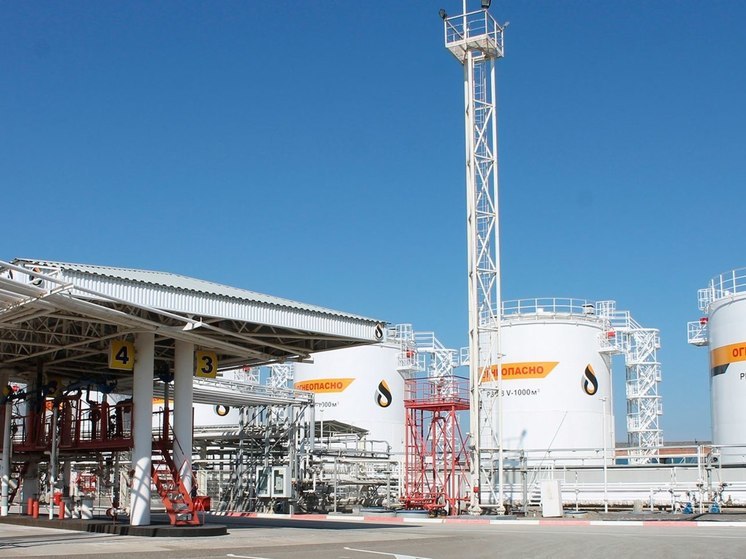
According to the General Staff, as of 2025, the Slavyansky refinery processes crude oil and condensate with a capacity of about 5.2 million tons per year and is involved in supplying the Russian occupying forces.
The General Staff also confirmed a hit on the territory of the “Nikolaevskaya” oil depot in Russia’s Rostov region. Preliminary reports indicate damage to a storage tank and the river vessel “Kapitan Gibert.”
In addition, as part of reducing the Russian offensive potential in occupied Luhansk, a field artillery depot of a unit from the 101st Separate Brigade of Russian material and technical support was struck. Losses are being clarified.
The General Staff also reported that, as a result of previous missions, on December 14, Ukrainian strike drones damaged the R. Graifer drilling rig in the Caspian Sea. Damage to the stationary platform, which houses the operational-technical module for processing and transferring extracted gas, was confirmed, resulting in the shutdown of all 14 wells (with a total daily production of nearly 3,500 tons).