


Ukraine, the United Kingdom and Latvia have signed a trilateral Memorandum of Understanding on the Grain Verification Scheme (GVS). The document establishes mechanisms for jointly verifying the origin of agricultural products using scientific methods.
This was reported by the Ministry of Agrarian Policy and Food of Ukraine.
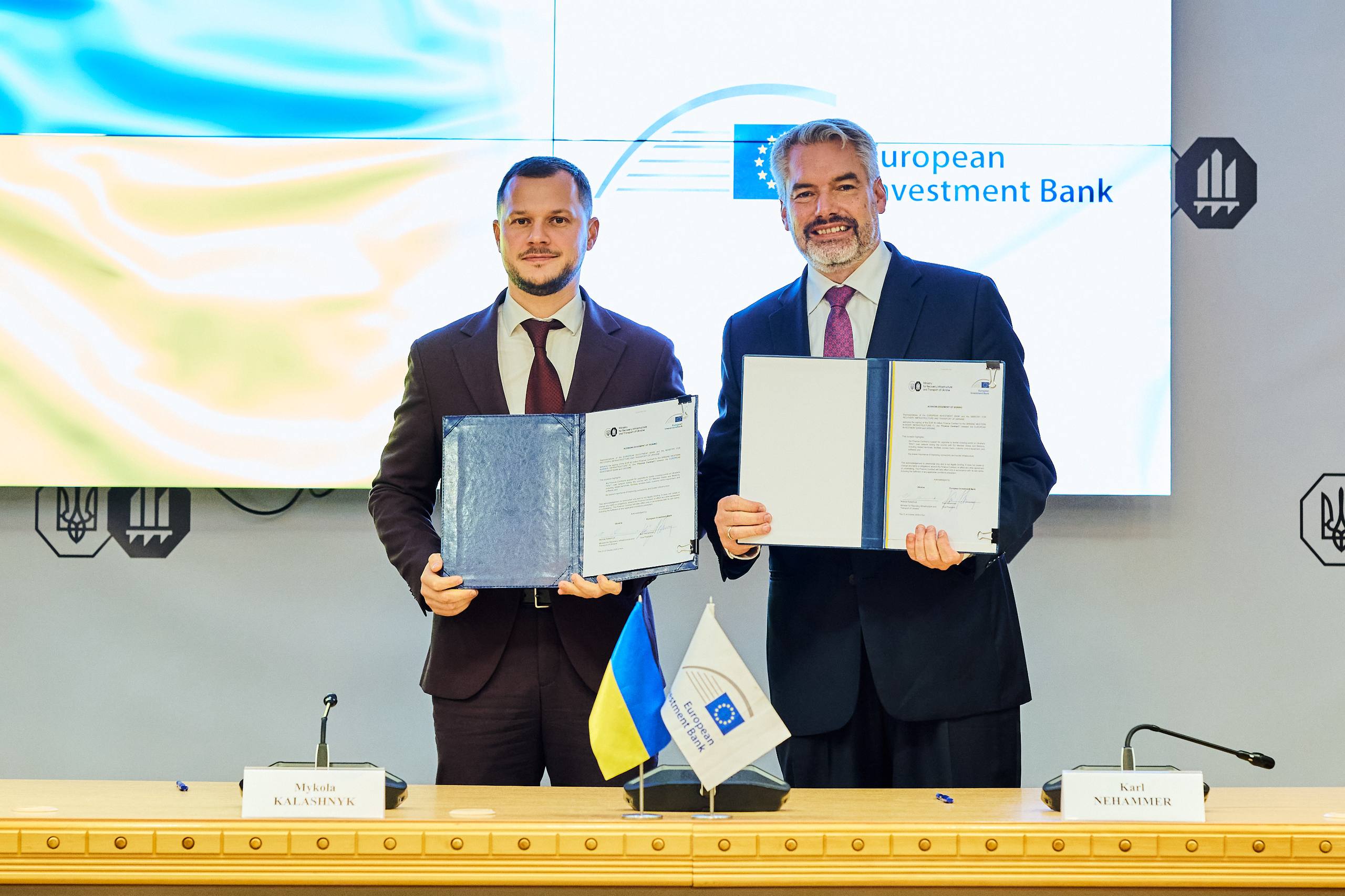
The memorandum was signed by Ukraine's Minister of Agrarian Policy and Food Taras Vysotskyi, UK Parliamentary Under-Secretary of State at the Department for Environment, Food and Rural Affairs Baroness Hayman of Ullock, and Latvia's Minister of Agriculture Uldis Augulis.
The key instrument of cooperation will be the Grain Verification Scheme, which makes it possible to determine the geographical origin of agricultural products through isotopic and chemical analysis.
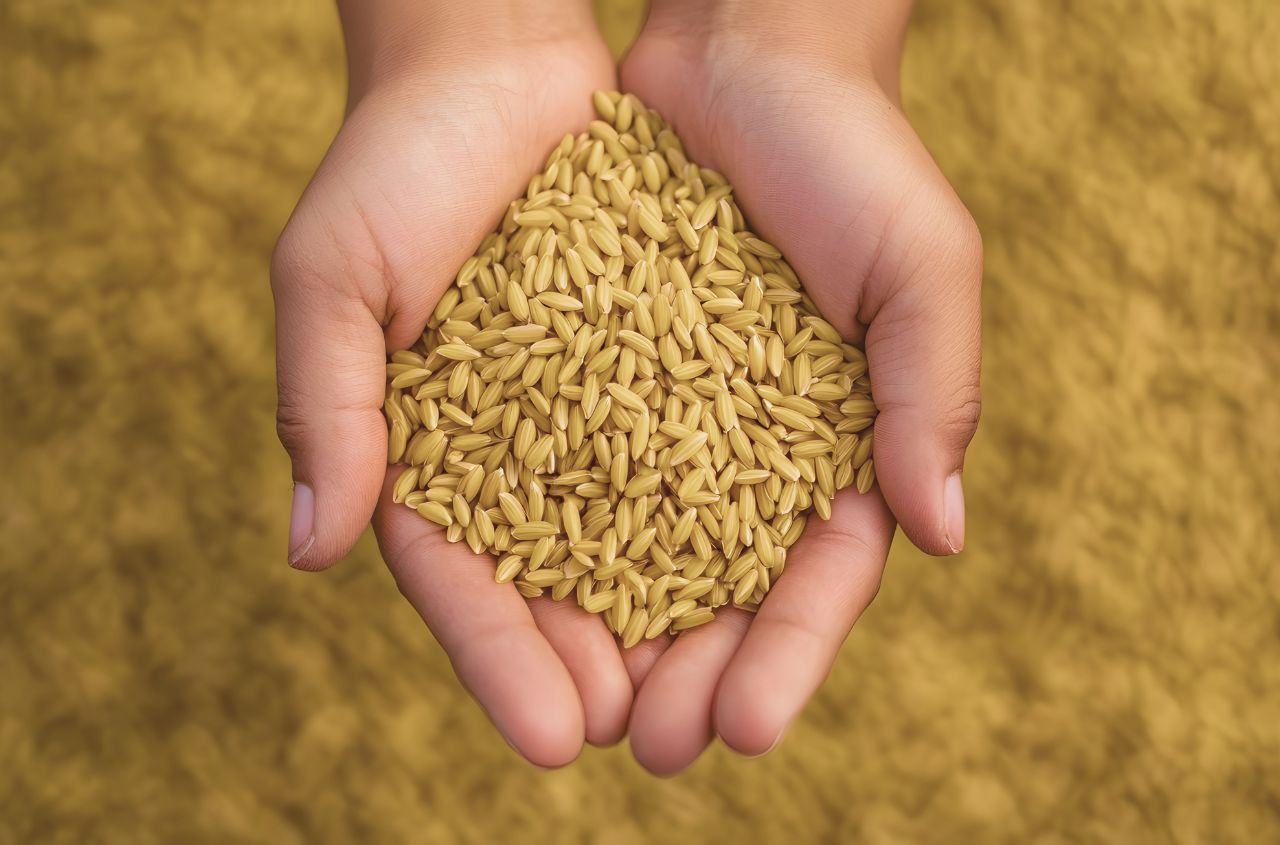
Samples will be compared against a reference database containing information on products with verified origins. The verification process will cover wheat, maize, barley and sunflower seeds.
"This approach will help identify shipments of agricultural products of questionable origin and provide scientifically substantiated data that may serve as evidence of their possible illegal removal from Ukraine's temporarily occupied territories," the ministry said.
Vysotskyi stressed that Russia has no right to profit from Ukrainian grain illegally exported from temporarily occupied territories.
"We must not allow stolen agricultural products to enter global markets disguised as goods of legitimate origin. This requires reliable evidence and coordinated action by international partners. The Grain Verification Scheme will make it possible to scientifically establish the origin of grain and create additional opportunities to combat illegal trade," the minister emphasised.
The memorandum provides authorised authorities with access to the GVS system, establishes procedures for exchanging scientific data and coordinates the work of specialised laboratories.
To ensure effective cooperation, the parties will appoint responsible representatives, hold regular technical consultations and coordinate joint action when suspicious shipments of agricultural products are identified.