


Ukraine's real GDP contracted by 2.4% in September compared with the same month last year. The main reasons were a decline in agricultural production, the destruction of industrial facilities and logistical difficulties.
This was reported by the Institute for Economic Research and Policy Consulting (IER) in its monthly economic monitoring report.
The IER also revised down its estimate for August, reporting a 1.9% decline in real GDP compared with the same month in 2025.
Real gross value added (GVA) in agriculture fell by 12% in August and 5.6% in September year-on-year.
"Since this year's grain harvest is even slightly higher than last year's, companies are once again beginning to store grain in storage bags and mobile grain silos (the EU has provided support in this area). Therefore, with exports constrained, inventories will make a positive contribution to real GDP growth," the IER noted.
Agricultural exports are being hampered by restrictions affecting the seaports of Odessa region and limited transport capacity through Danube ports and the railway network. Russia is destroying an increasing number of Ukrzaliznytsia locomotives, further restricting freight transport capacity.
Logistical problems and uncertainty are also undermining farmers' financial ability to carry out sowing campaigns. The area under cultivation has already declined. If the situation does not improve by spring, agricultural performance in 2027 could be significantly worse than this year.
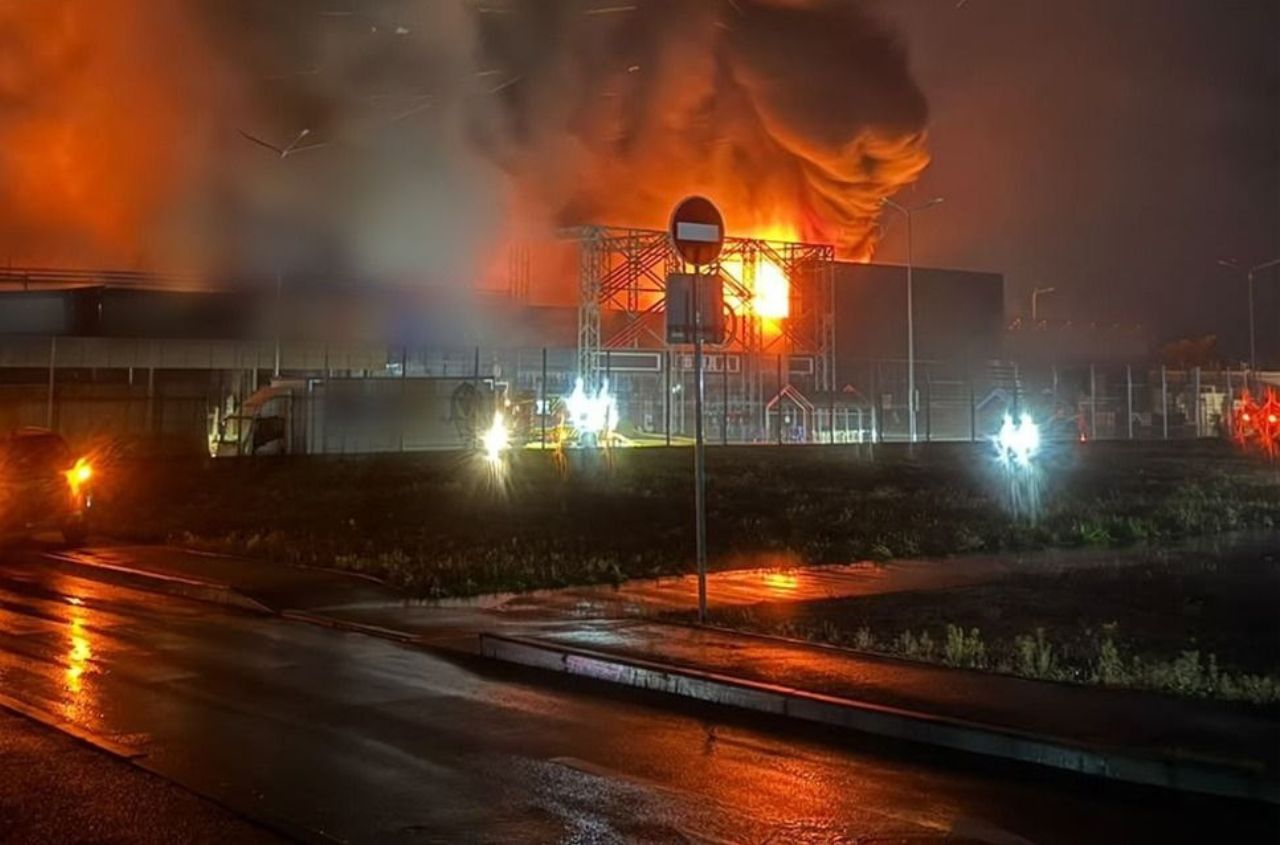
In manufacturing, GVA fell by 7% year-on-year in September. The decline was driven by a sharp reduction in metallurgical production following Russian drone and ballistic missile strikes that damaged key steelmaking facilities.
Defence industry production continued to support the sector, but companies face a shortage of stable, long-term contracts, while exports remain restricted.
In the extractive industry, GVA declined by 12.3% due to a sharp fall in iron ore production. Natural gas extraction, however, helped support the sector.
Electricity generation and gas distribution declined by approximately 11% year-on-year. According to the IER, conditions in the energy sector deteriorated further in October.
In trade, GVA fell by 5.5% due to declining exports and the destruction of warehouses. Companies are adapting to the new conditions, including shifting towards direct sales with less reliance on warehouse facilities.
In transport, the decline in GVA accelerated to 20% year-on-year. The sector continues to face pressure from restrictions on seaport operations and disruptions to railway logistics. Road haulage companies cannot fully compensate for the shortage of other transport capacity because of a lack of drivers and higher transportation costs.
The shutdown of metallurgical enterprises and changes in the operations of major trading companies could lead to reductions in employment and total wage payments.
According to the institute's current assessment, Ukraine's real GDP contracted during the first nine months of 2026. Given the worsening situation in October and a higher statistical comparison base, the IER expects the economy could shrink by approximately 0.5% over the full year.
The institute emphasised that its estimates may be revised due to the high level of uncertainty.