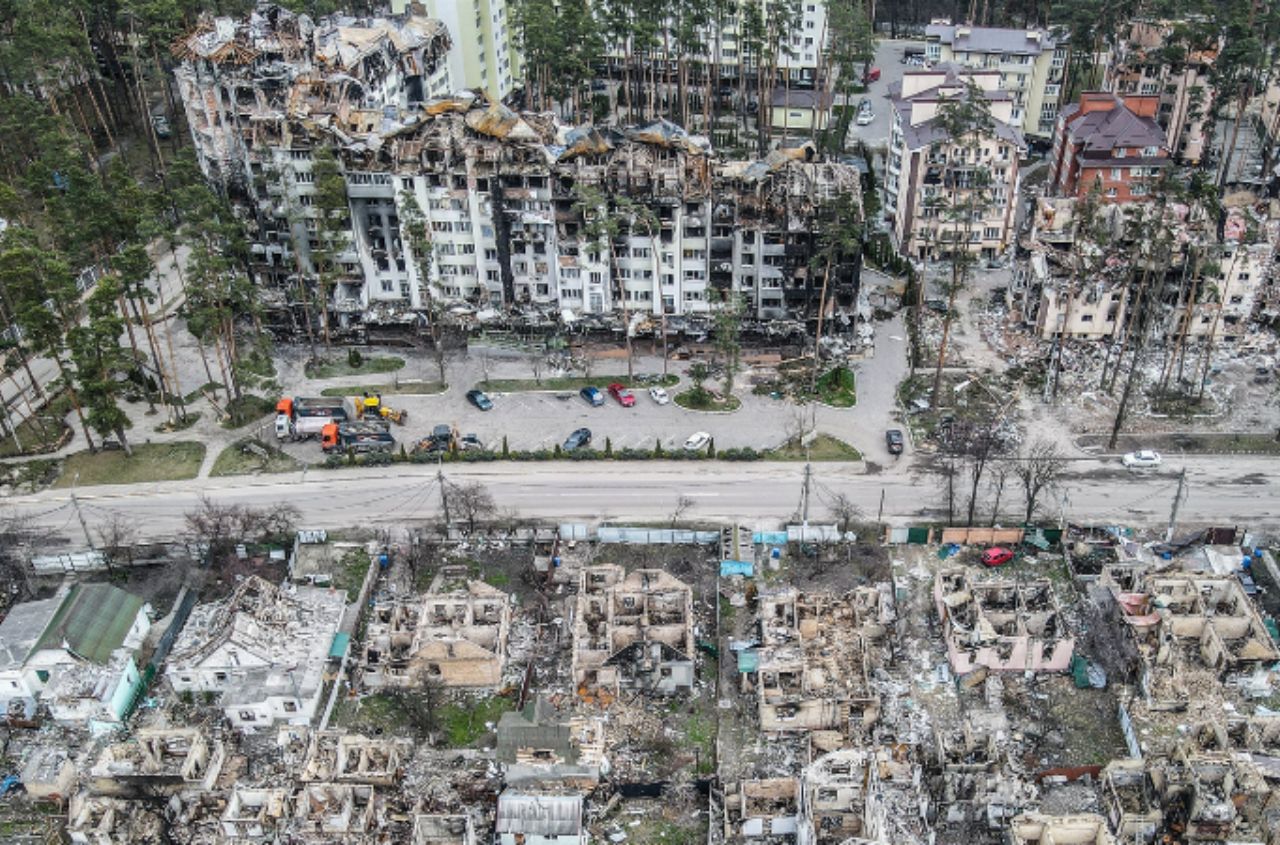



Ukraine’s real gross domestic product (GDP) grew by 2% in 2025. Growth could have been higher if not for the extensive damage caused by Russia to gas production facilities, energy networks, ports, and railway infrastructure.
This was reported by the analytical center “Institute for Economic Research and Policy Consulting” (IERPC).
According to analysts, Ukraine’s economy grew moderately in 2025. By the end of the year, many organizations revised their forecasts due to significant destruction caused by Russia to gas production, energy networks, and port and railway infrastructure.
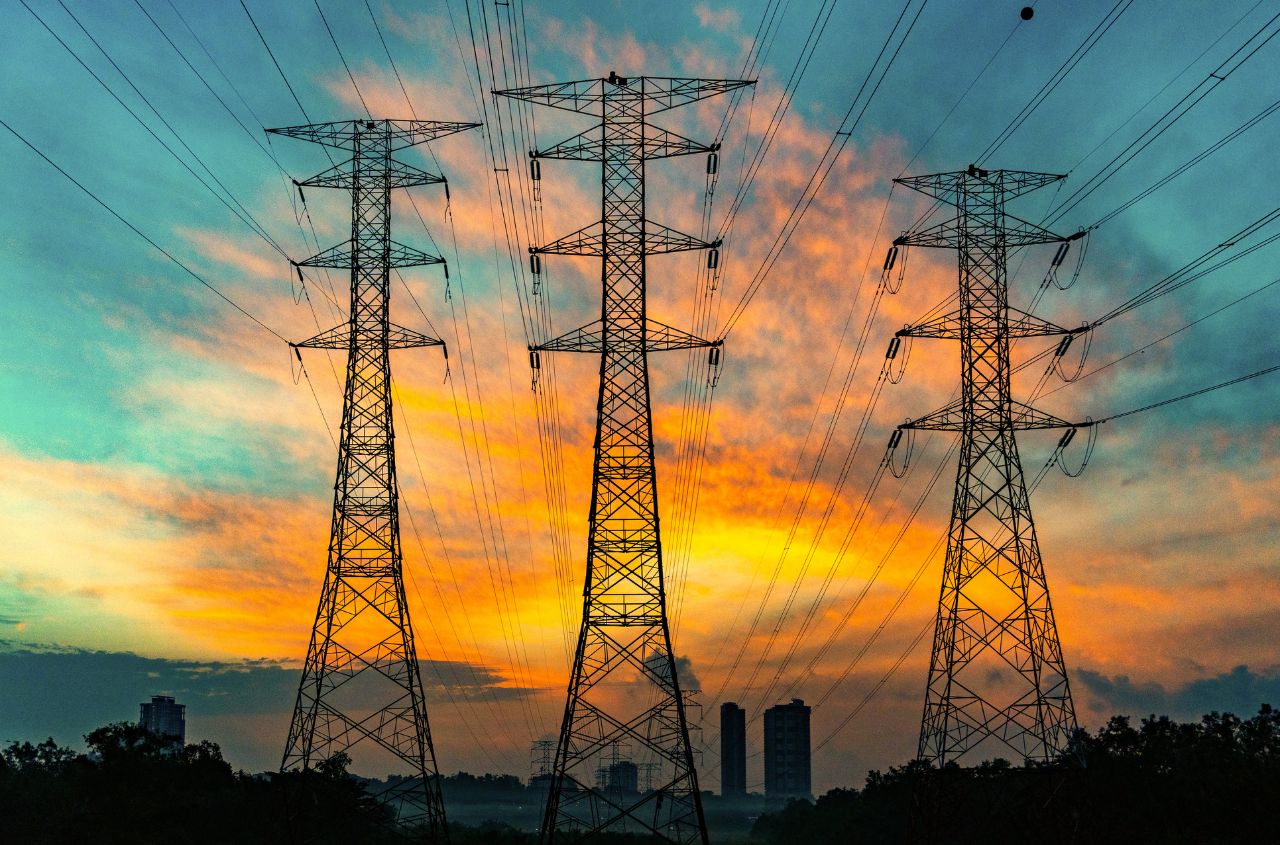
In November 2025, lack of access to electricity became, for the first time since December 2024, one of the top three obstacles to business operations (according to an IERPC survey). Other major issues remained labor shortages and security risks.
Businesses increasingly faced staffing challenges, especially in the fall, when a significant number of men aged 18–22 were granted permission to leave the country. According to the Ministry of Economy, unemployment remained high due to skill gaps and regional mismatches between labor demand and supply.
Another obstacle for companies was the rise in prices for raw materials and inputs, partly due to the hryvnia’s devaluation against the euro. Businesses also faced declining demand and logistical problems.
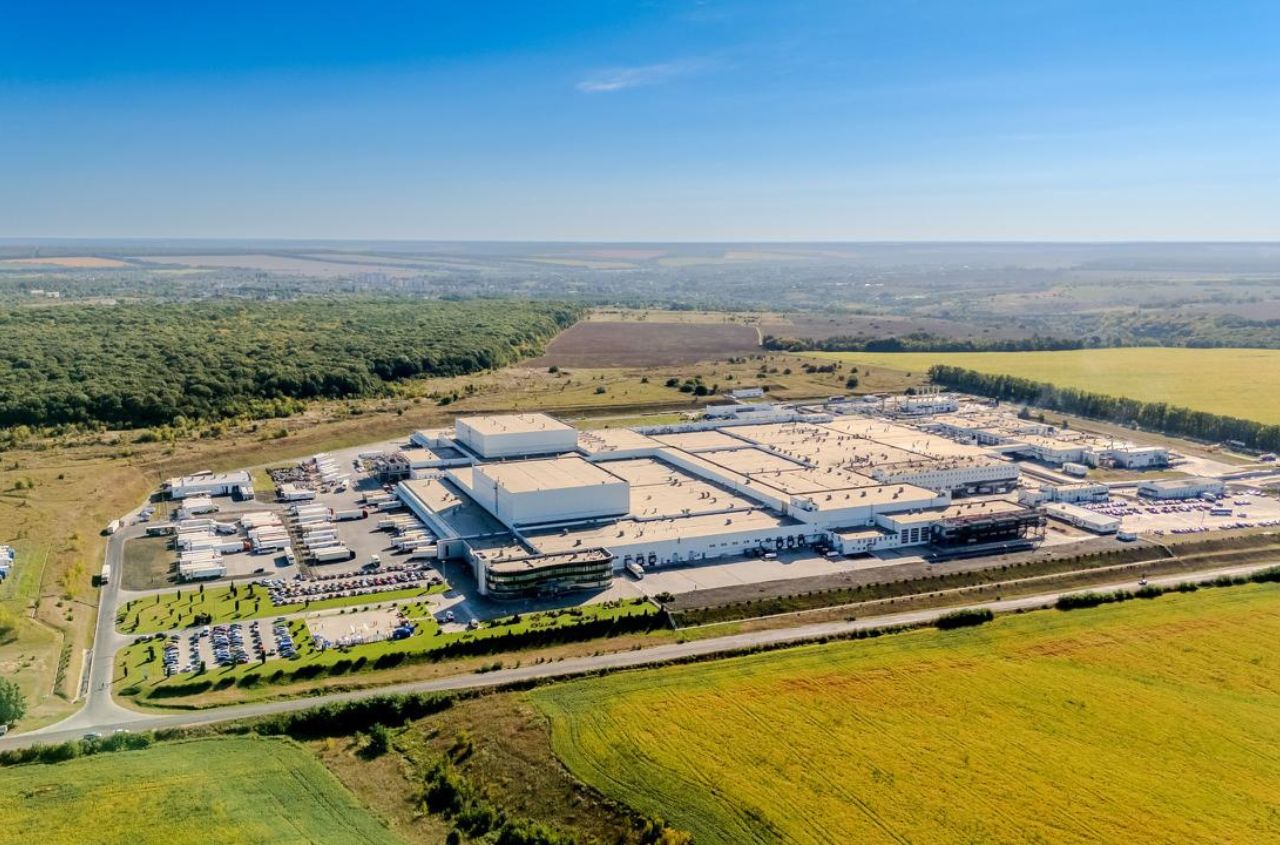
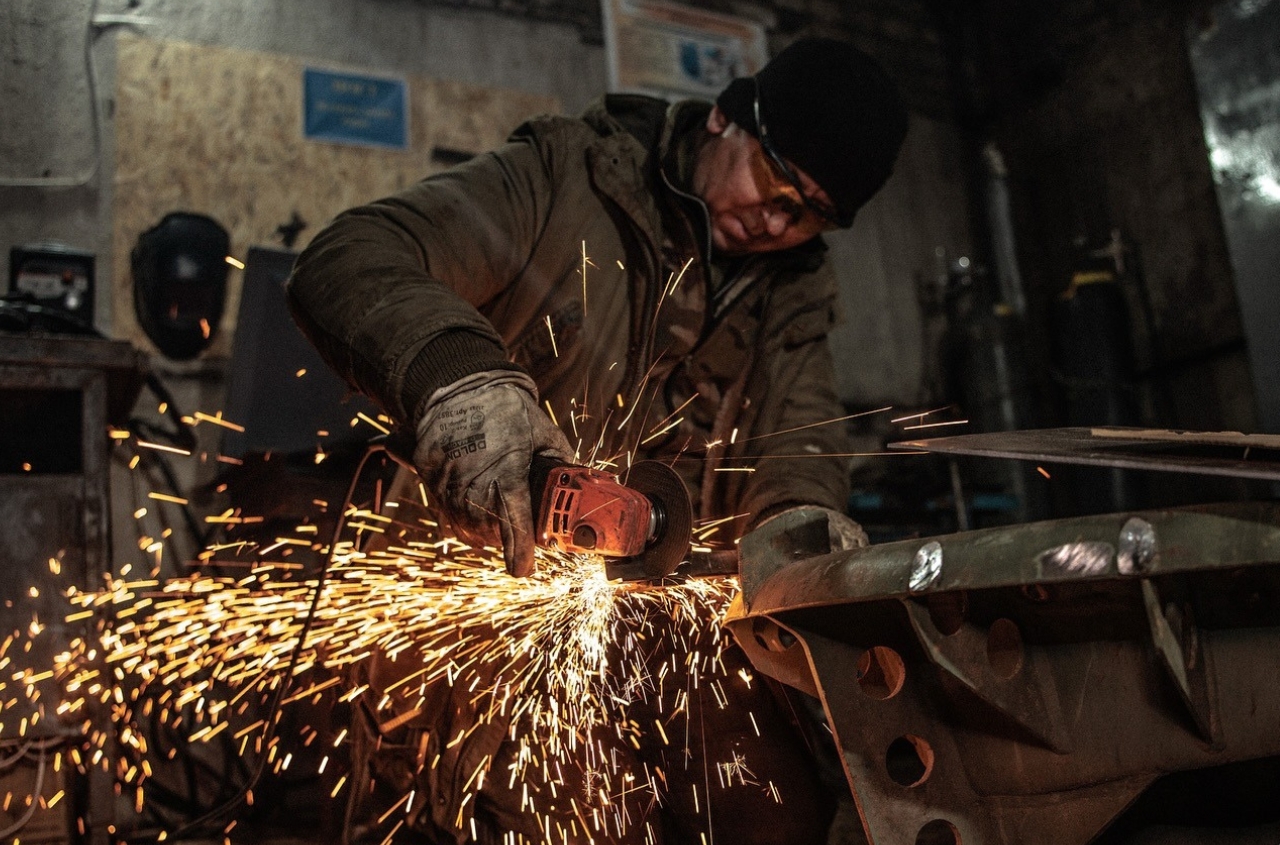
Despite this, the 2025 grain harvest exceeded expectations, mitigating agriculture’s negative impact on GDP growth. Demand for defense industry products supported the development of mechanical engineering, while strong domestic demand for metallurgical products sustained growth in that sector. Trade growth was driven by higher real household incomes, thanks to increased wages, pension indexation, and moderate price growth for non-food goods.
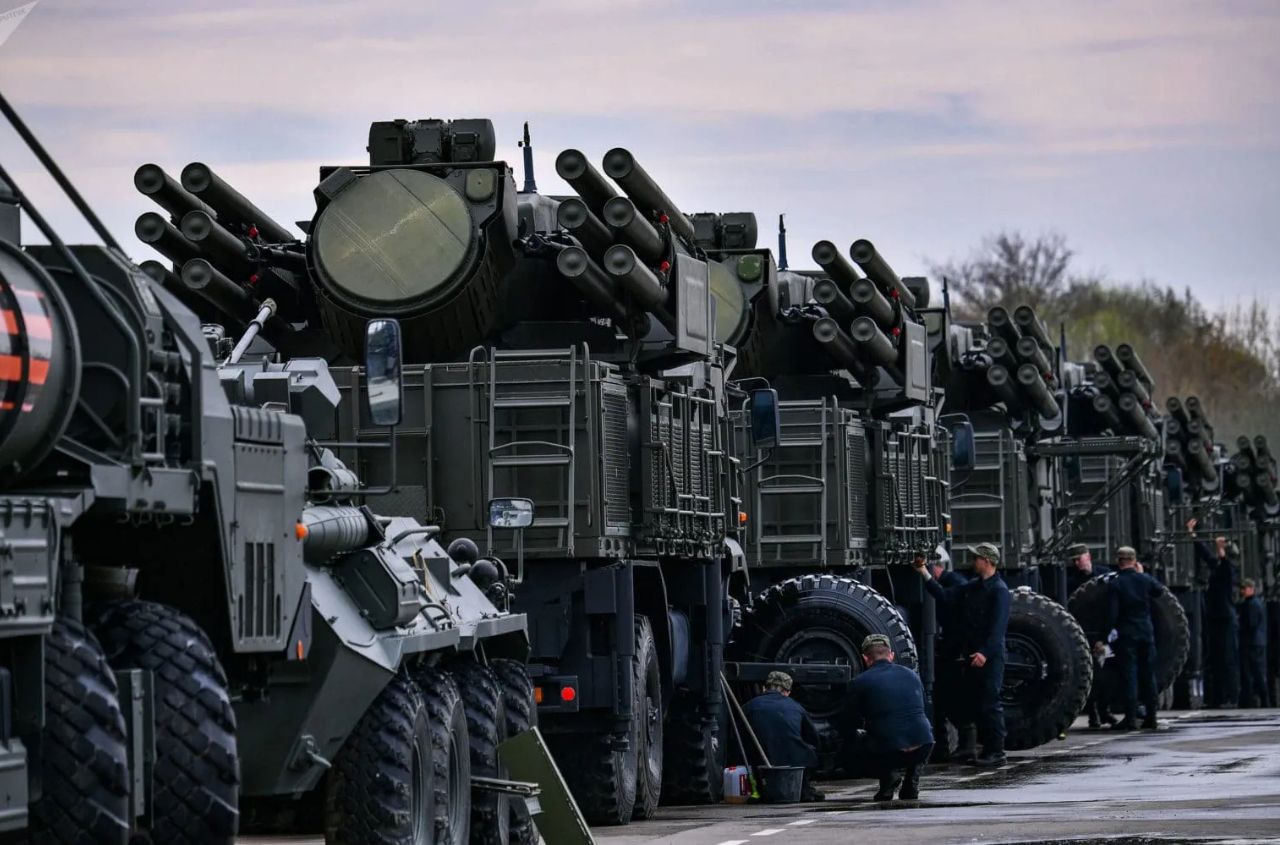
On the demand side, real final household consumption and investment increased, which also contributed to higher imports. At the same time, real exports declined significantly due to lower shipments of grain and oilseeds, as prior-year stockpiles were depleted. Government consumption grew primarily due to arms procurement.
“Although we expected a larger contribution from the investment part of UkraineFacility in 2025, as well as military risk insurance and guarantees, this did not materialize. Therefore, we leave these expectations for 2026. Peace is unlikely to be quickly achieved this year, so challenges and uncertainty will persist throughout the year. Overall, we expect real GDP growth in 2026 to be only slightly above 2%,” the IERPC stated.