


By Viktor Yahun
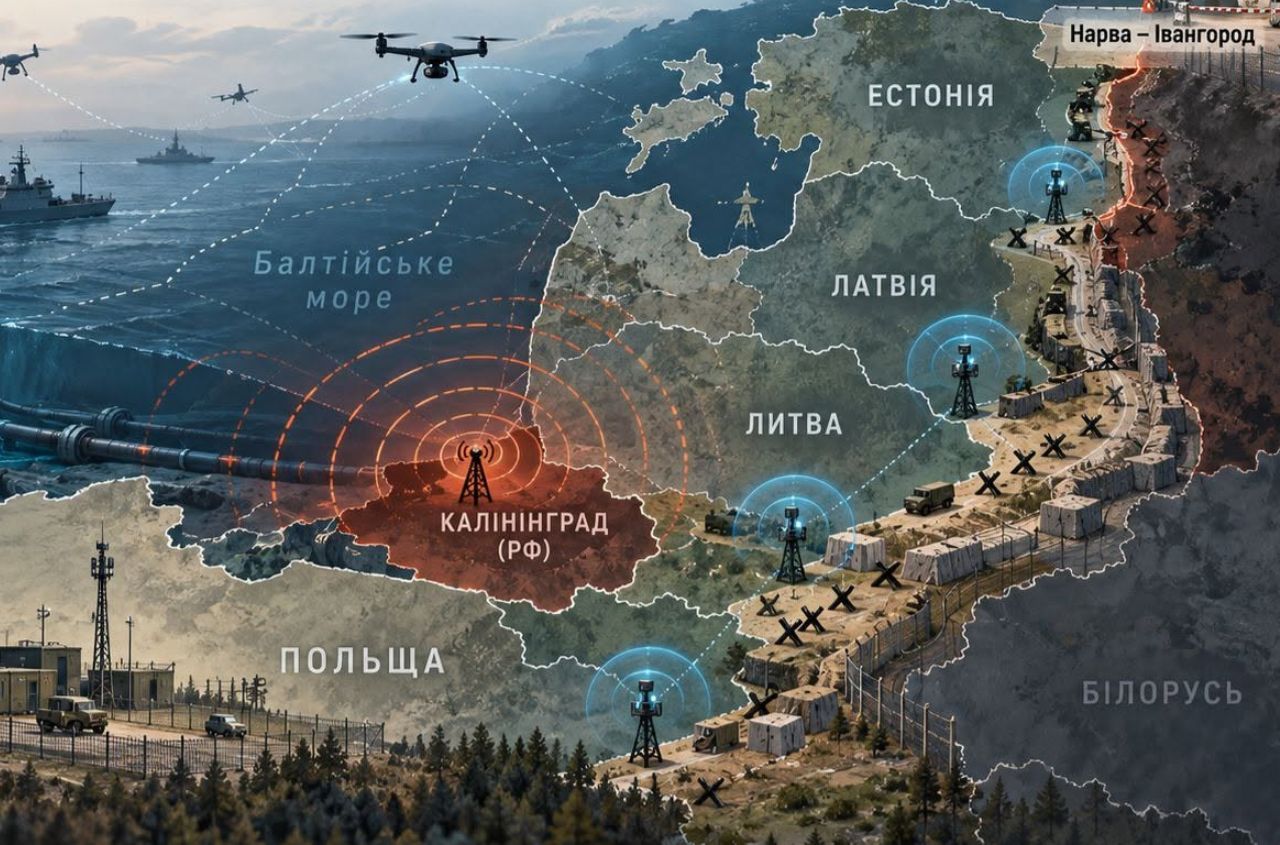
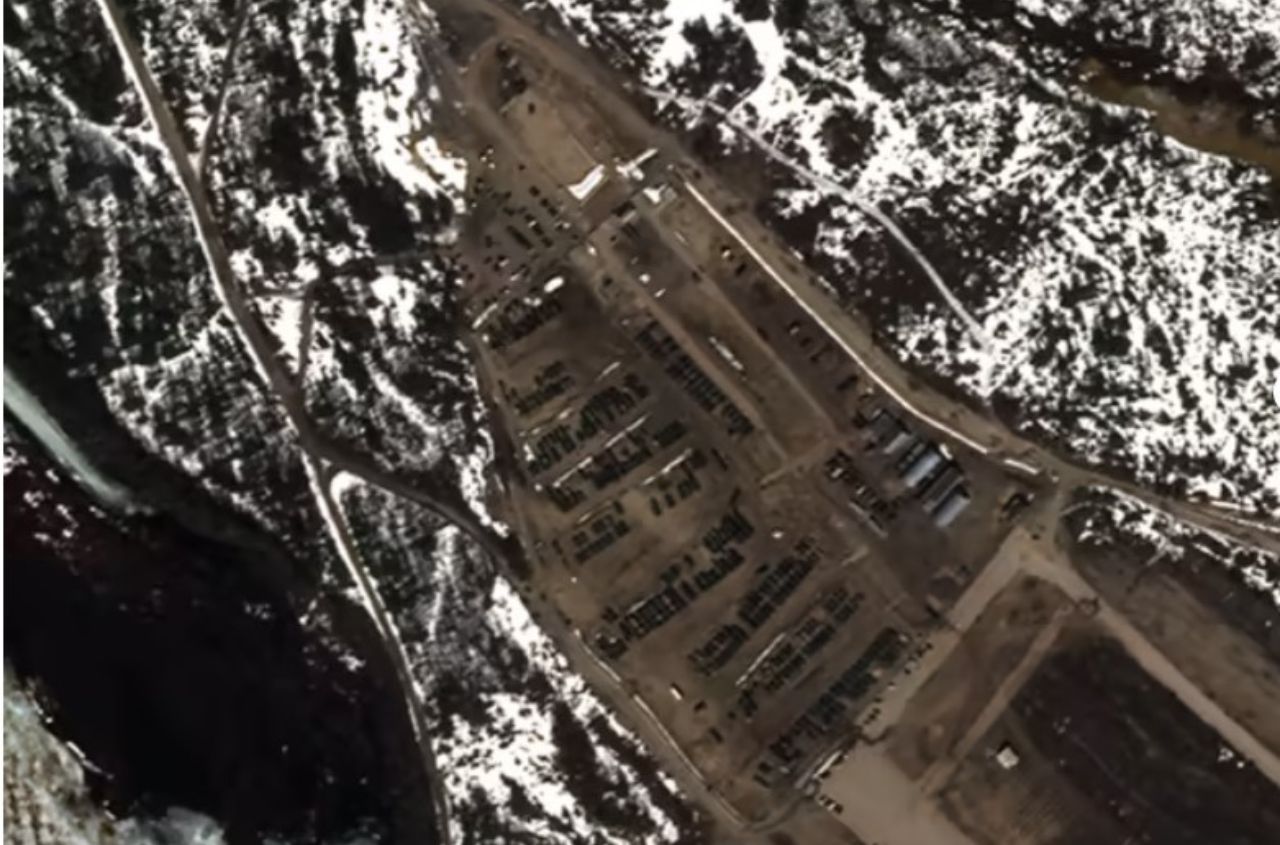
In recent days, a major public response has been triggered by a joint investigation by journalists from Northern European and Baltic countries, who—based on satellite imagery, open-source data, and expert assessments—concluded that Russia is actively expanding its military infrastructure along the borders with NATO countries.
This does not refer to isolated facilities or local repairs, but to the systematic creation of a network of military towns, depots, training grounds, repair bases, airfields, and logistics hubs capable, in the long term, of supporting the deployment of more than 100,000 servicemembers.
Particular attention is being paid to areas near the borders with Finland, the Baltic states, and the Arctic region. After Finland and Sweden joined NATO, the Kremlin has effectively been forced to restructure its entire military planning system in the northwest. This is why old garrisons are being restored, new barracks are being built, and infrastructure in the Leningrad Military District is being expanded.
According to assessments by intelligence services in the Baltic and Northern European countries, Russia plans to significantly increase the size of its ground forces and airborne units by the end of 2026, with priority given to regions bordering NATO.
At the same time, it is important to avoid two extremes. The first is underestimating the threat. The second is drawing panic-driven conclusions about an imminent attack tomorrow or the day after. At present, there are no signs of the formation of a strike group capable of conducting a large-scale war against the Alliance. The Russian army continues to bear the main burden of the war against Ukraine, and a significant portion of its resources remains tied to the Ukrainian front. This is acknowledged by analytical centers in NATO countries.
However, the issue lies elsewhere. The Kremlin is not building an army for today, but infrastructure for tomorrow. Barracks, ammunition depots, transport hubs, and training grounds are being created for years ahead. This is what long-term preparation for confrontation looks like, rather than short-term political maneuvering. At the same time, Russia is expanding weapons production, restoring Soviet-style military districts, and continuing the militarization of its economy.
For Ukraine, there is an important takeaway here. The war has changed not only us. It has changed the entire security architecture of Europe. If a few years ago many believed that Russia would be forced to focus on internal problems after the war, today more and more facts suggest otherwise. The Kremlin views confrontation with the West as a long-term historical process and is already laying the material foundation for it.
Therefore, the key question is no longer whether Moscow considers NATO its adversary. It made that decision long ago. The question is whether Europe will manage to complete its own rearmament and strengthen its defenses before new Russian military towns are filled with personnel, equipment, and ammunition.
The answer to this question will largely determine the security of the continent over the next decade.